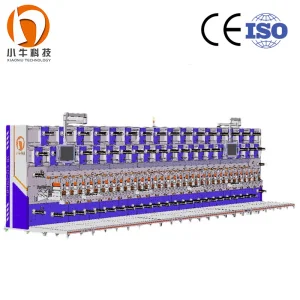
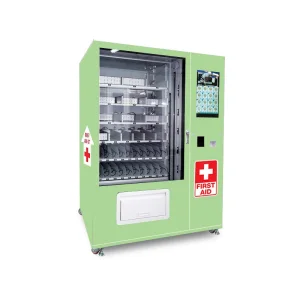
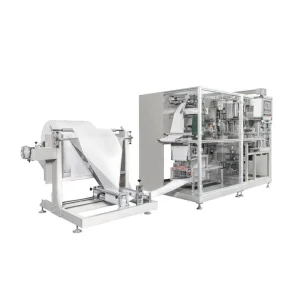
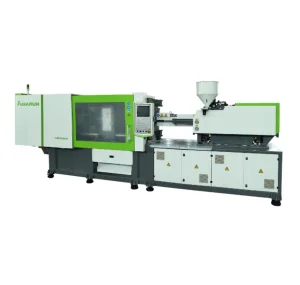
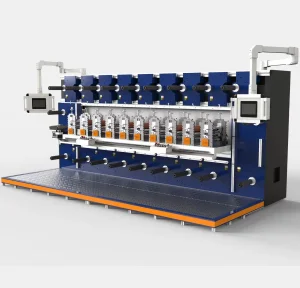
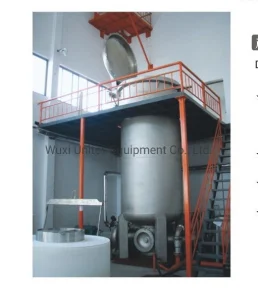
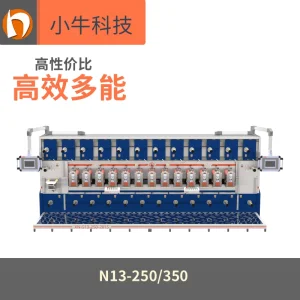
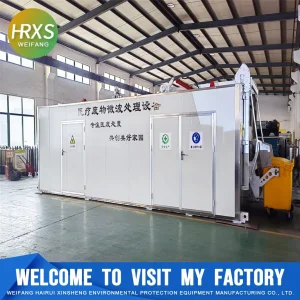
Direct engineering solutions and automated manufacturing systems supporting modern cleanroom configurations worldwide.
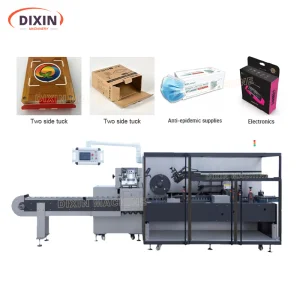
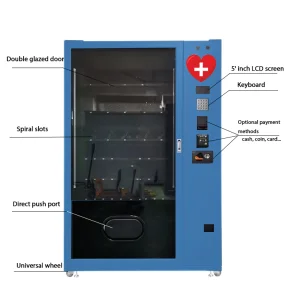
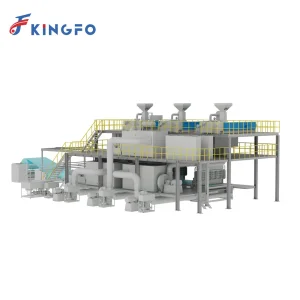
The global demand for high-performance surgical sutures has witnessed a significant paradigm shift. Historically centered on simple non-absorbable materials, the modern healthcare sector demands advanced biocompatible polymers. Surgical procedures now utilize specialized Class III medical devices requiring rigorous quality controls during raw material synthesis, precision swaging, micro-needle attachment, sterile packing, and final sterilization validation.
China has transitioned from a high-volume manufacturing exporter to an innovation-driven hub. Chinese manufacturers today integrate advanced German and Japanese metallurgy for stainless steel needle fabrication while developing proprietary chemical processes for synthetic absorbable materials. This synthesis of cost-effectiveness and strict technical parameters satisfies the rigorous guidelines set by regulatory bodies globally, including the US FDA, EU CE (MDR), and China NMPA.
By shifting to advanced automated production lines, suppliers dramatically reduce the risk of surgical site infections (SSIs) by preventing biological contamination during winding and packaging phases. Procurement officers must evaluate local manufacturers not just on unit cost, but on their complete sterile validation dossier and compliance framework.
Countries Exported
Factory-Gate Price Audited
Years Sourcing Expertise
Profit Donated to Charity
Understanding the chemistry and mechanical metallurgy behind premium suture manufacturing is crucial for establishing long-term clinical safety profiles.
Engineered for predictable degradation profiles within human tissue. These polymers break down via hydrolysis rather than enzymatic digestion, minimizing secondary inflammatory tissue reactions.
Utilized for long-term implants, vascular anastomoses, and outer epidermal closures where permanent structural support is needed.
The interface between needle and suture thread is the primary stress point. Needle manufacturing demands specialized alloys and micro-machining.
Procuring medical components from international sources introduces logistical, financial, and quality compliance challenges. A standardized auditing framework mitigates downstream liabilities.
When selecting a Chinese exporter for surgical sutures or related automated production machinery, standard catalog sheets are insufficient. Global sourcing departments should execute the following verification framework:
Managing multiple supply chains independently raises administrative overhead and risk of delays. Working with Suzhou Hanora Medical Supplies Co., Ltd. resolves these bottlenecks by consolidating specialized service structures:
Suzhou Hanora Medical Supplies Co., Ltd. is founded in 2013. We are a sourcing company focusing on medical devices and lab equipment. We are committed to provide our clients with one-stop sourcing services, serving as their virtual office in China. Our sourcing services include: product sourcing, price negotiation, supplier verification, factory auditing, production monitoring, lab testing, order follow-up, quality control, pre-shipment inspection, logistics support, etc. We have exported our products to more than 30 countries with a lot experience on sourcing and exporting.
For our clients we promise: the prices we offer are 100% authentic factory-gate prices, and clients are always allowed to pay directly to the factories. Beside business, we also care about the poor people, and we always give 5% from our profit to the charity to make a better world!
Ensuring end-to-end reliability, transparent commercial structures, and robust quality checks across all medical component acquisitions.
 Free Sourcing Service
For new clients, we provide free services of product sourcing for 3 different products, and price quotes will be sent within 1-2 working days after acquiring client demands.
 Pay Directly to Factory
We provide multiple payment options, including direct payment to the factories, making it more convenient and safe for our clients.
 Professional Factory Investigation
Our expert team will investigate the factories in an all-rounded way, including verifying their factory and product qualifications, checking the history records of customs exportation, on-site visits, and pre-shipment inspection.
 Business Negotiation
For clients who need to forge long-term cooperation with the factories or other special needs, we can dispatch representatives to the factories for business negotiation.
 Complex Product Orders
Based on our rich supplier system, we can provide OEM, ODM, sampling, shipments of mixed models, and other complex services.
 Reliable Freight Service
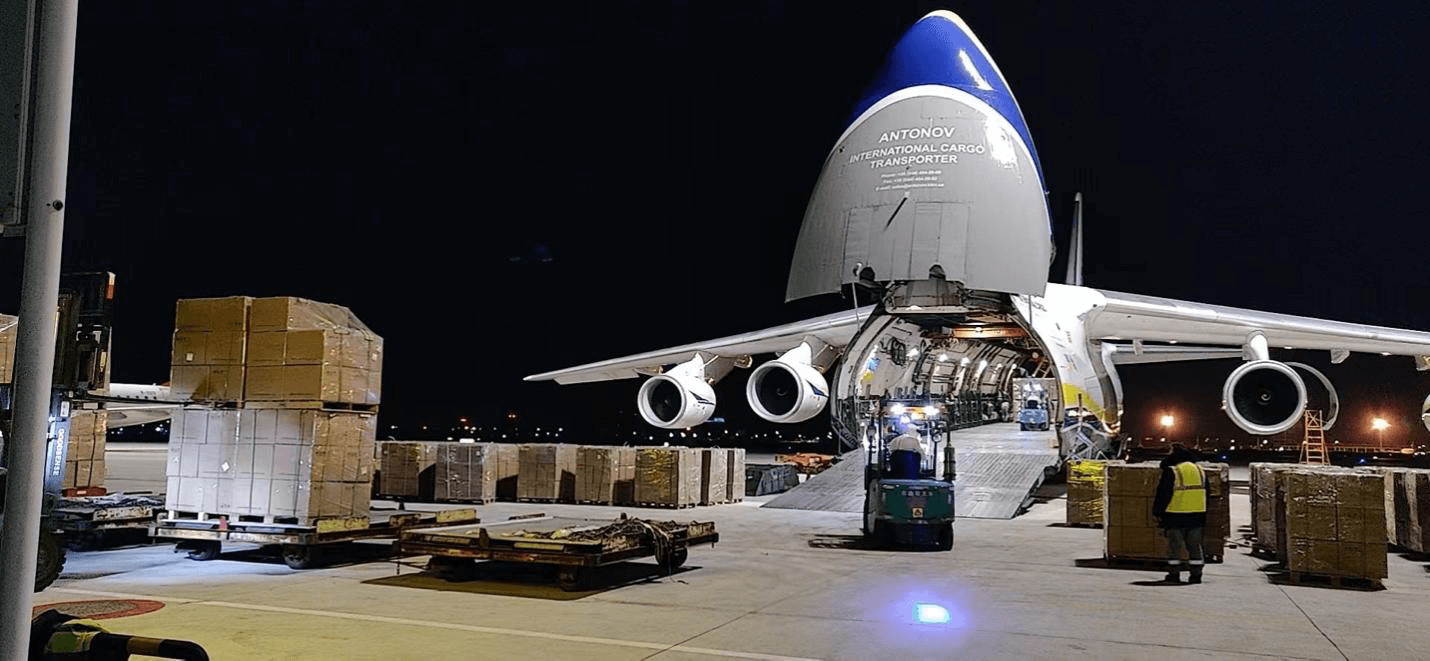
The team has exported to more than 30 countries and partnered with dozens of freight forwarding companies, based on which we can provide clients with the most favorable quotations and stable freight services.
Wound closure technologies are evolving rapidly. Understanding upcoming innovations enables strategic buyers to future-proof their sourcing operations.
Standard mechanical tissue holding is transitioning to bioactive structures. Key technological advancements include:
Manual needle-suture swaging is being replaced by ultra-precise robotic assemblies. Optoelectronic monitoring systems check tension tolerances for every cycle, instantly rejecting units with structural micro-cracks. This degree of automation improves consistency and allows Chinese manufacturers to offer institutional distributors predictable lead times and lower defect rates (measured in parts per million).
Direct expert insights addressing regulatory, quality, and commercial concerns in surgical suture and medical machine procurement.
Tensile strength retention is dictated by the chemical formulation of the polymer and the crystallization process during filament extrusion. For synthetic absorbable polymers like PGA and PGLA, the speed of hydrolysis degrades the polymer backbone over time. Safe clinical retention requires the suture to maintain at least 50% strength during the critical tissue healing phase.
We act as your virtual sourcing office. All pricing contracts are verified directly with the manufacturers. Clients receive authentic factory invoices and are encouraged to pay factories directly, ensuring absolute financial transparency while our local engineering team oversees QA/QC and compliance validation.
Swaging connects the needle to the suture thread. Micro-drilled needle ends must match the suture thread diameter. If the connection is crimped poorly, the suture can detach prematurely during surgery. Conversely, over-crimping creates a step-up transition that increases tissue drag and trauma.
Ethylene Oxide (EO) gas sterilization is the standard for polymer sutures. High heat or gamma irradiation can degrade polymers like PGA, PGLA, and PDO, causing premature material breakdown. Validation requires maintaining EO gas concentration, humidity, and temperature profiles under strict ISO 11135 guidelines.
We collect and verify essential regulatory documentation, including technical files, clinical evaluation summaries, biocompatibility reports (ISO 10993), sterilization validation certificates, and CE MDR declarations of conformity. This documentation is reviewed before shipment to prevent custom delays.
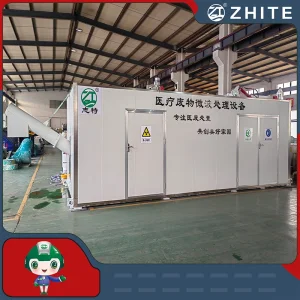
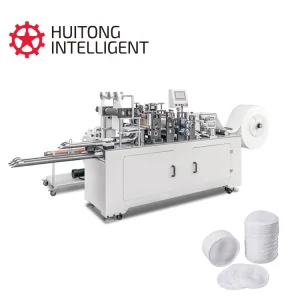
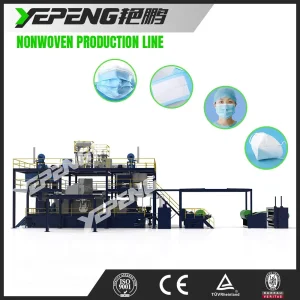
High-capacity processing systems, material cutters, and waste management machinery supporting sterile medical facility configurations.
 Hanora Medical