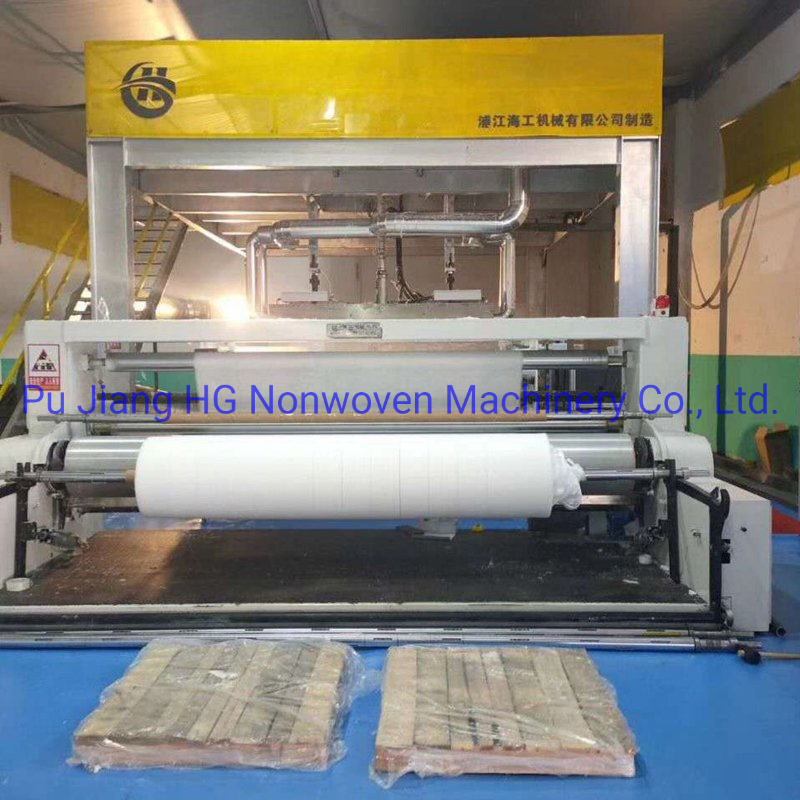
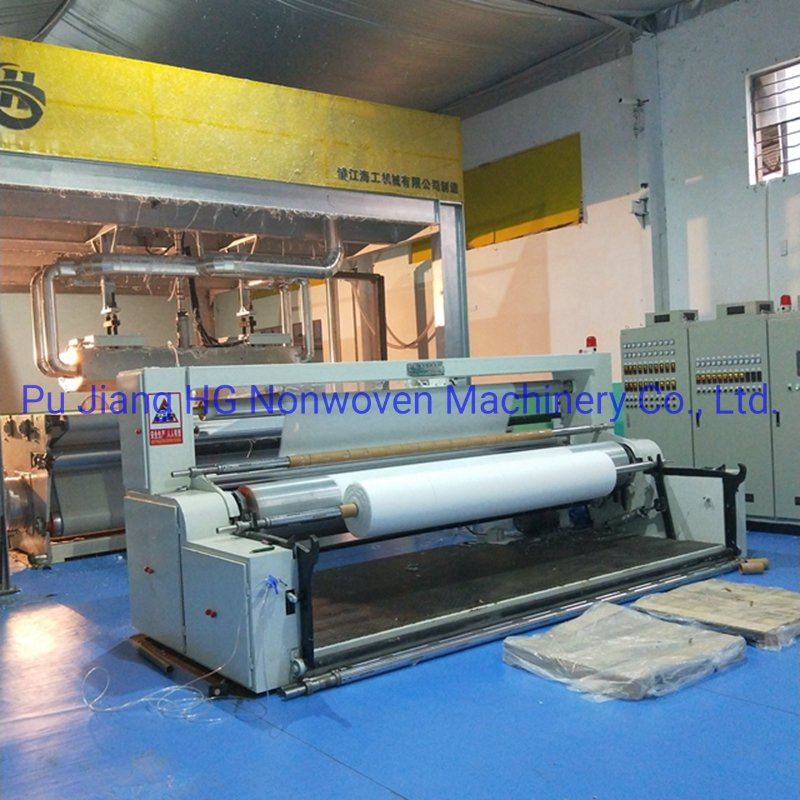
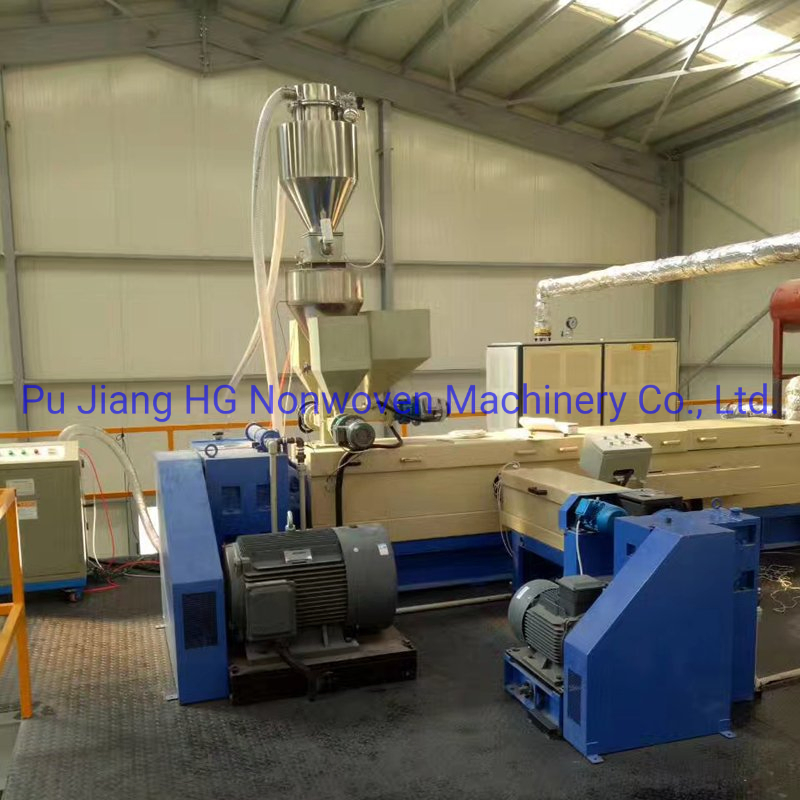
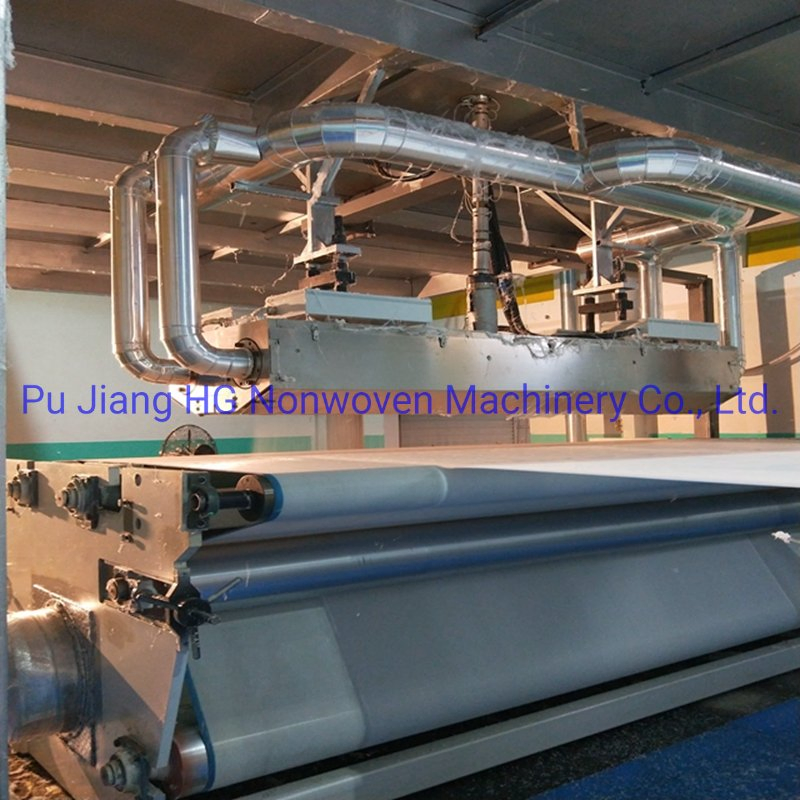
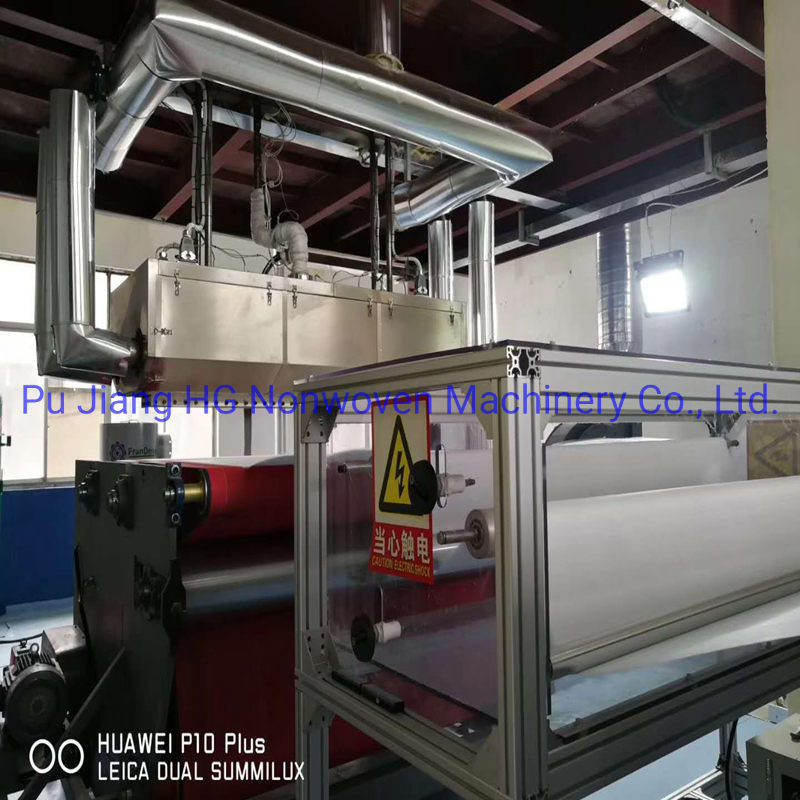
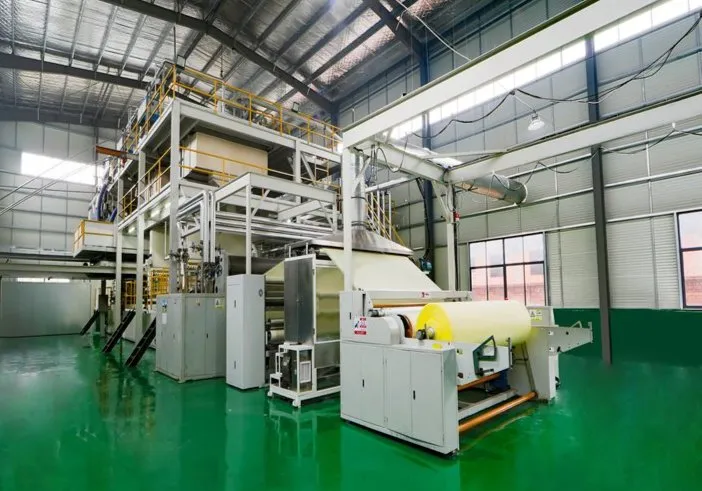
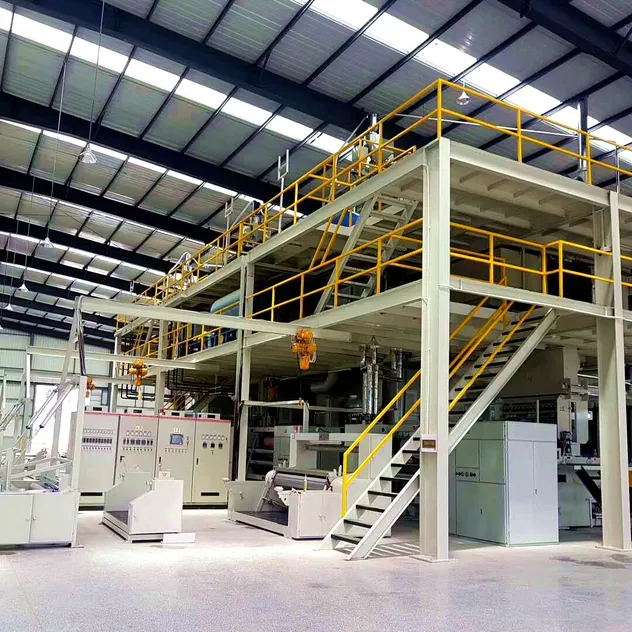
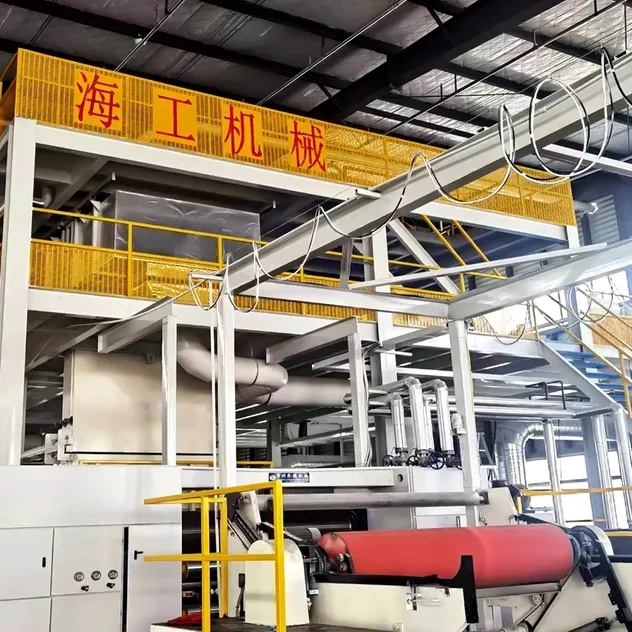
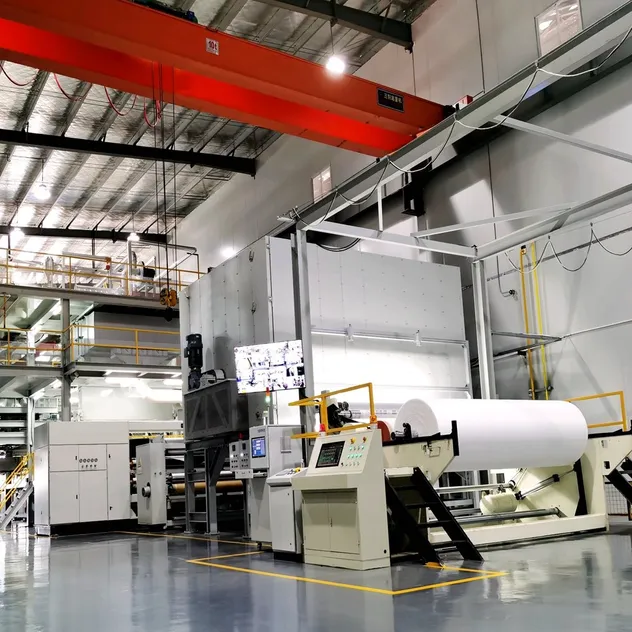
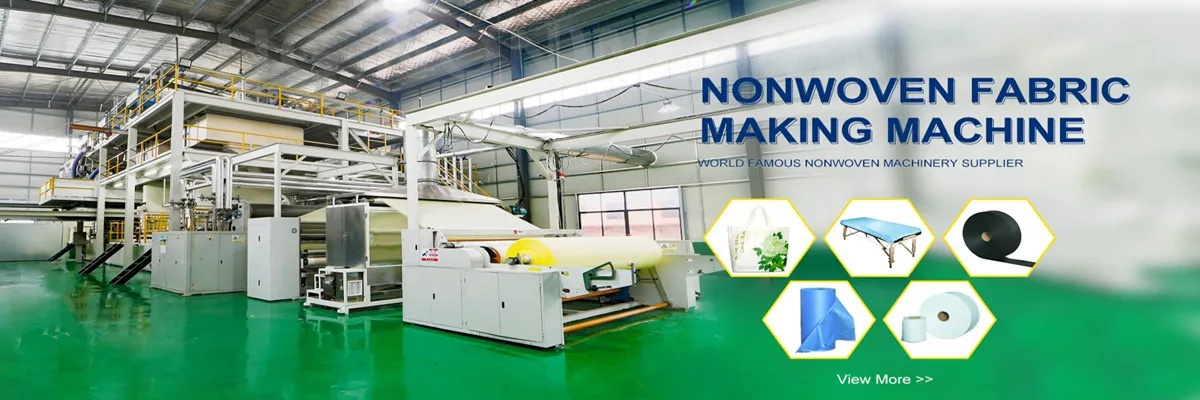
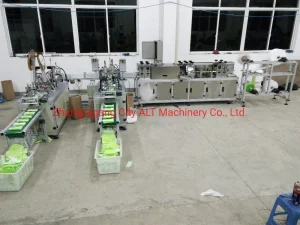
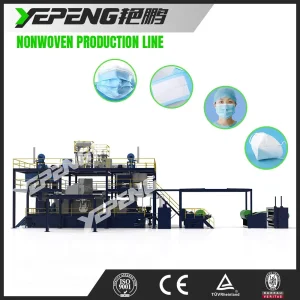
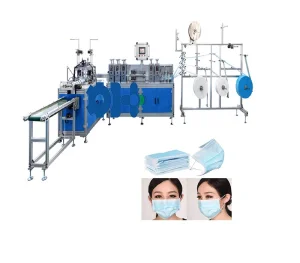
This spunbond nonwoven fabric making machine is a full production line for producing PP non-woven fabrics. It utilizes polypropylene granules as raw material and adopts the latest spunbond spinning technology to produce endless filaments.
The system is an integrated, continuous production line that transforms polymer granules directly into a fabric web. It is a cost-effective and high-efficiency solution for manufacturing single-layer spunbond nonwoven fabrics (S).
Typical Applications:
Agriculture: Crop covers, weed control fabric.
Geotextiles: Soil stabilization, drainage layers.
Packaging: Shopping bags, wrapping.
Furniture: Spring insulators, mattress backing.
Home: Housewrap, roofing base.
🎥
Operation Showcase
💎
Key Characteristics
1
Lower Investment Risk: Simpler layout ideal for small to medium enterprises.
2
Lower Capital Cost: Entry-point technology for many manufacturers.
3
High Efficiency: Designed for continuous, high-speed production with excellent uptime.
4
Good Uniformity: Advanced spinning systems ensure CD and MD fabric uniformity.
📋
Technical Specifications
Model
HG-1600S
HG-2400S
HG-3200S
Capacity (kgs)
40,000
60,000
100,000
Power (kW)
250kW
350kW
450kW
Width (mm)
1600mm
2400mm
3200mm
Max Speed
200m/min
200m/min
200m/min
Thickness (GSM)
10-200g/m²
10-200g/m²
10-200g/m²
Dimension (L*W*H)
20*8*11m
20*10*11m
20*12*12m
🔄
Production Process Zones
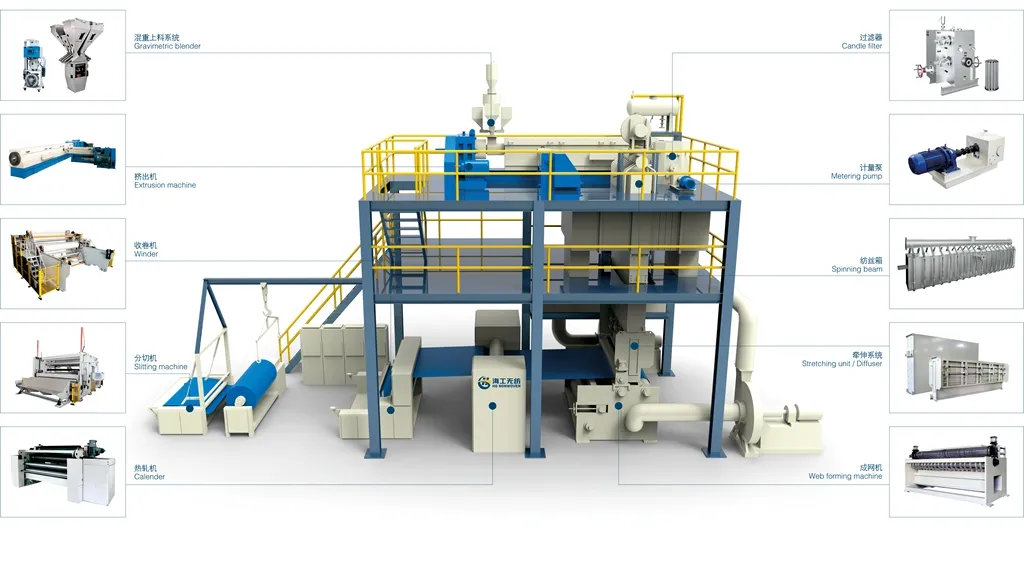
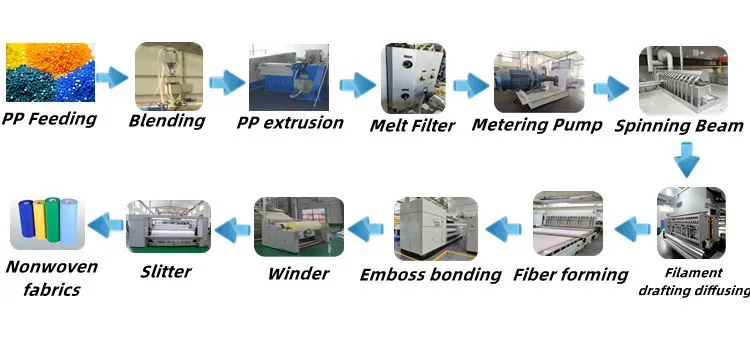
1. Extrusion System: PP chips are melted using heated barrels.
2. Spinning Beam: Molten polymer is pushed through a spinneret to form filaments.
3. Quenching & Drawing: Cool air solidifies filaments, which are then stretched for strength.
4. Web Formation: Filaments are scattered onto a moving belt to form a uniform web.
5. Thermal Bonding: Heated rollers fuse filaments together to create the final fabric.
6. Winding: Finished fabric is wound into rolls and slit to size.
🤝
Professional Production Solutions
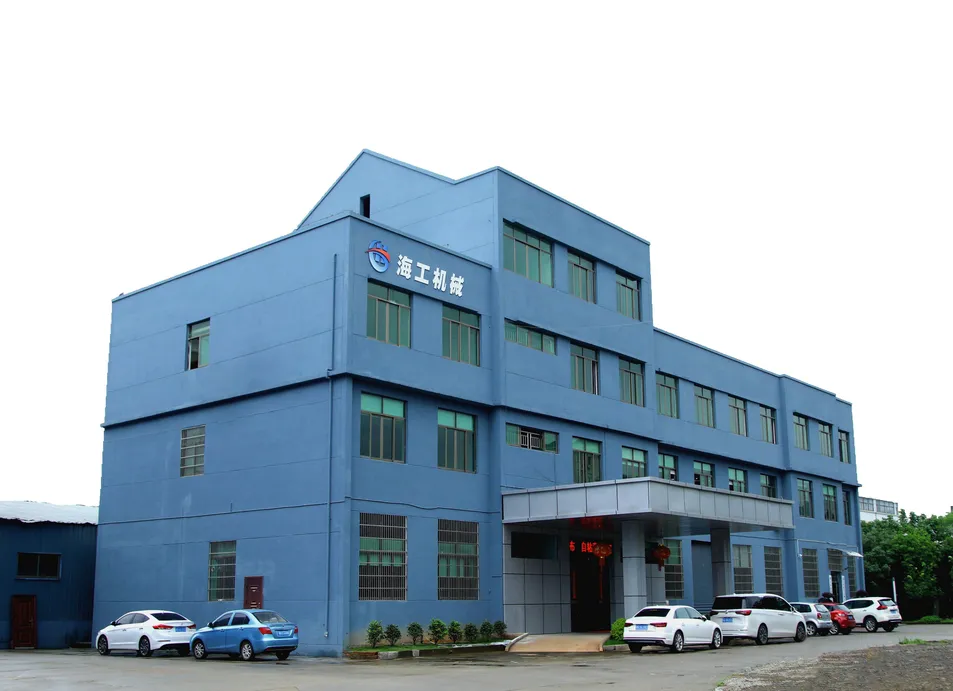
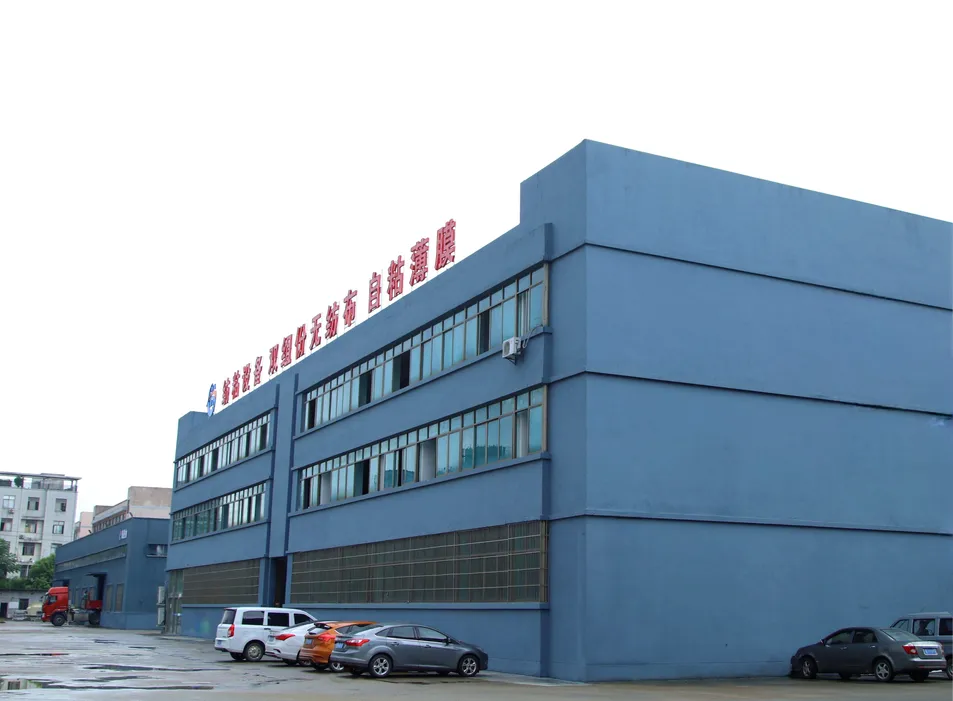
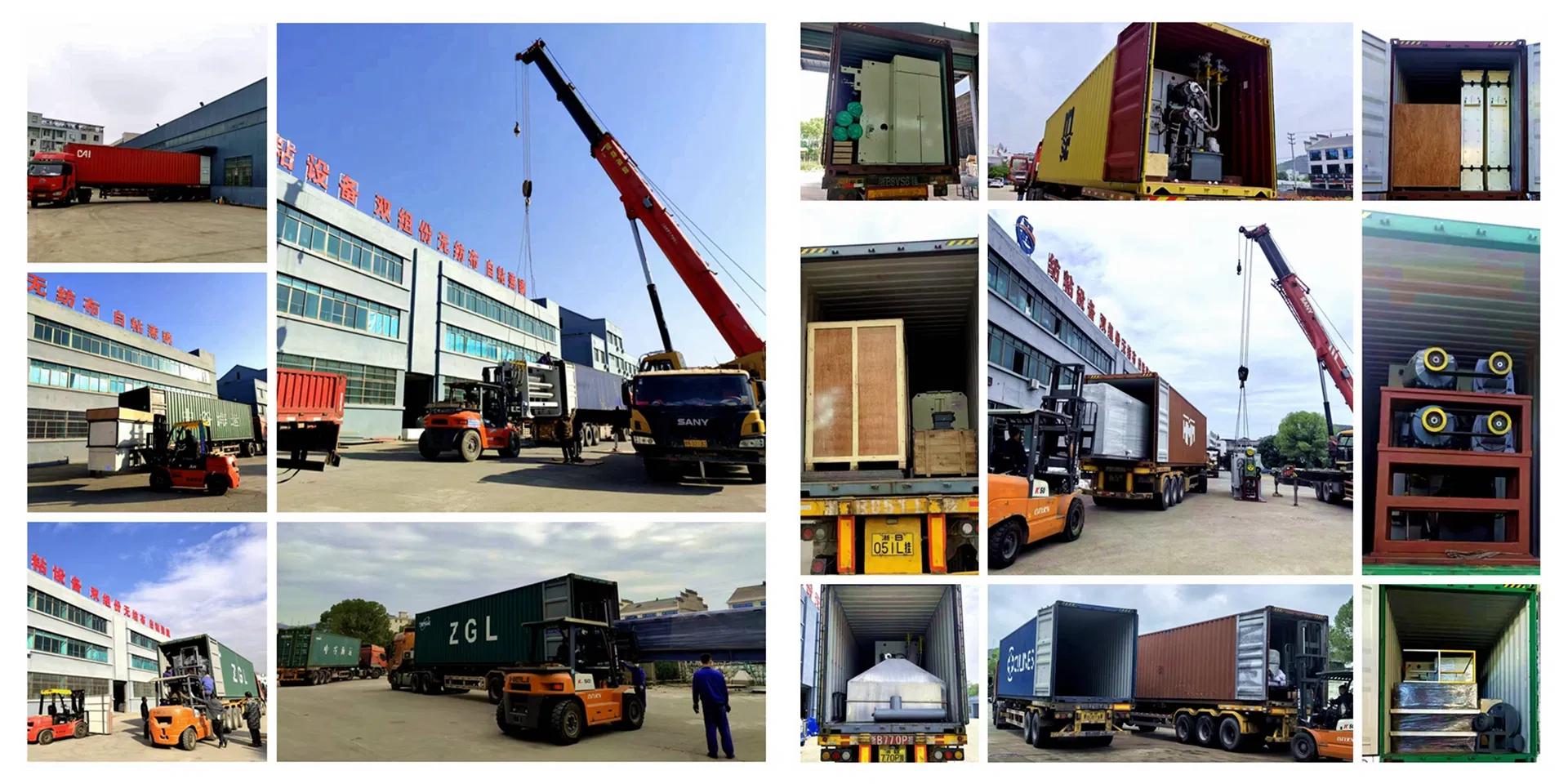
With over 20 years of experience, we provide reliable nonwoven fabric production lines exported to 20+ countries. We support our customers with:
One-stop project engineering from A to Z.
Market analysis and feasibility reports.
2 years of free engineering after-sale service.
On-site installation and personnel training.
❓
Frequently Asked Questions
What's the lead time for orders?
As usual, it takes 30-45 days for production and preparation.
Do you provide overseas after-sales service?
Yes, we provide door-to-door engineering services for all international clients.
What is included in the installation service?
We provide turn-key services including mechanical and electrical work, commissioning, and staff training. This typically takes 40-45 days.
Can you support the project from the factory planning stage?
Yes, we support clients from market study and factory building dimensions to power supply setup and machine training.
What does 20 GSM mean?
GSM stands for grams per square meter. For example, 20 GSM means the non-woven fabric weighs 20g per square meter. Medical use typically requires 30-50 GSM, while shopping bags use 50-80 GSM.
What are the standard dimensions of the production line?
The standard spunbond machine dimension is approximately 20m x 7m x 11m (Length x Width x Height), though this varies by specific model.
 Hanora Medical