Fiji's geographic isolation in the South Pacific has historically made it reliant on long-distance imports for core medical consumables. However, under recent economic development programs and the push to establish Suva and Nadi as regional hubs, localized light industrial manufacturing is gaining significant momentum. Establishing a localized medical tape factory in Fiji is no longer a distant vision—it is an economically viable imperative.
By localizing the converting process—slitting, laminating, and die-cutting imported medical-grade jumbo rolls—Fiji-based enterprises can insulate the local healthcare system from global supply chain disruptions. With regional trade agreements such as PICTA (Pacific Island Countries Trade Agreement) and PACER Plus, products manufactured in Fiji can be exported duty-free to neighboring nations, creating a highly lucrative market for medical adhesives, first-aid strips, and surgical tapes.
"Establishing localized medical converting facilities in Fiji reduces reliance on overseas imports, secures regional supply chains, and minimizes lead times for critical surgical components."
The global medical tape and bandage market is undergoing a transition from classic zinc-oxide plaster adhesive configurations toward skin-friendly, hypoallergenic silicone and breathable polyurethane (PU) formulations. Modern skin contact applications require precise micro-porous aeration to prevent skin maceration while maintaining stable peel strength. For a manufacturer in Fiji, selecting versatile machinery capable of processing diverse materials—ranging from elastic dressings and non-woven fabric to PE film and silk plaster—is vital to serving regional clinics effectively.
Furthermore, automation has shifted from simple mechanical slitters to integrated systems featuring automated tension control, real-time edge alignment (EPC/LPC), and computerized PLC touch panels. These systems reduce labor requirements, eliminate material waste, and guarantee consistent roll winding parameters, which are essential for achieving certification under medical-grade guidelines.
Why should Fiji importers source production machinery from China via dedicated virtual office providers? The answer lies in China's comprehensive Industry 4.0 ecosystem. Chinese medical tape machinery manufacturers have refined the balance of cost-efficiency and high-tech output. With advancements in electromagnetic tension clutches, high-frequency ultrasonic sealing, and intelligent heat-melt coating heads, Chinese equipment meets and often exceeds European performance standards at a fraction of the capital cost.
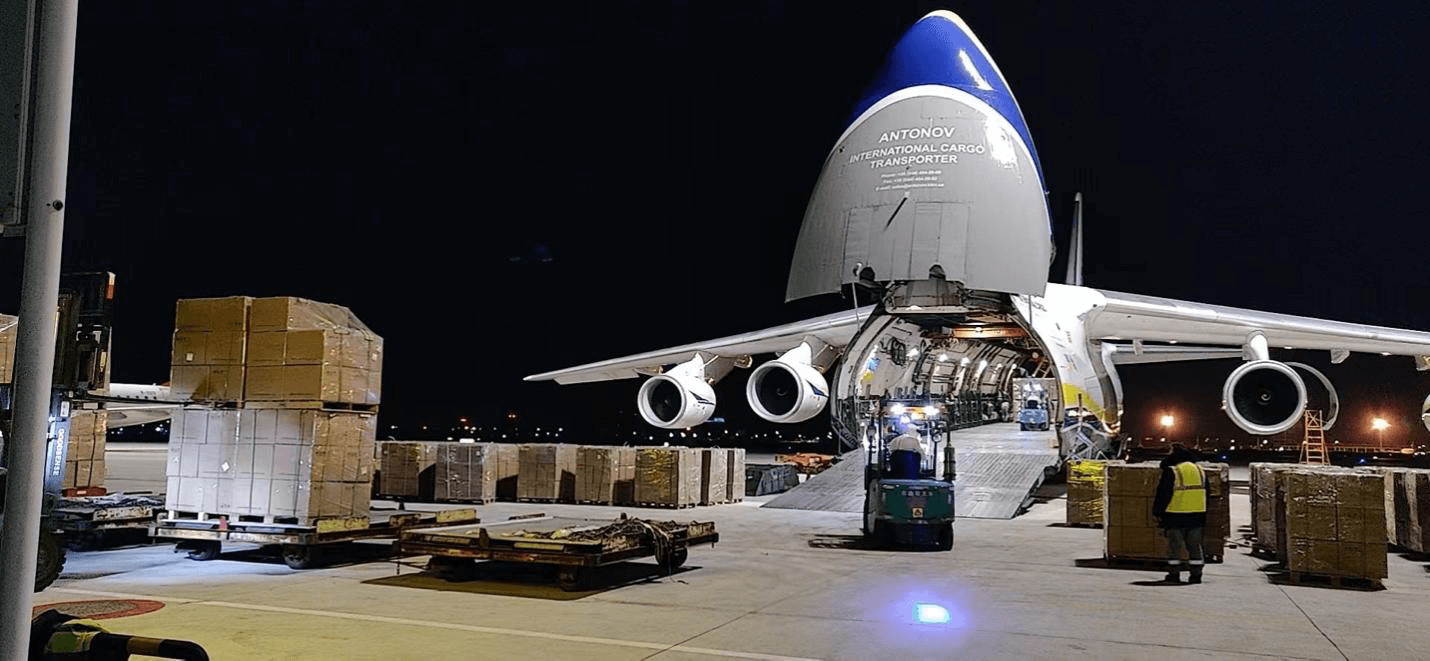
By partnering with a Suzhou-based strategic sourcing manager like Hanora Medical, buyers in Fiji gain direct factory-gate pricing with none of the typical language, logistical, or verification risks. Hanora acts as your eyes and ears on the ground, conducting complete factory investigations, inspecting assemblies pre-shipment, and managing the end-to-end logistics to Suva or Lautoka ports.
Ensuring ISO 9001 and ISO 13485 compliance across all parts suppliers.
Run-testing machines with actual non-woven and adhesive materials before loading.
Designing medical tapes for Fiji requires addressing two critical environmental and market factors: high ambient humidity and the needs of the tourism sector. Standard medical tapes often lose their adhesion or degrade quickly under hot, tropical maritime conditions. Therefore, machines operating in Fiji must be capable of processing specialized raw materials, such as moisture-permeable polyurethane films and high-tack acrylic adhesives that resist perspiration and moisture.
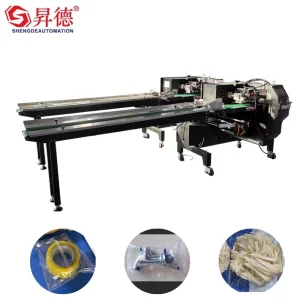
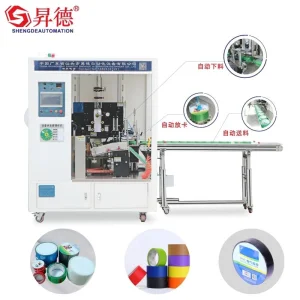
Additionally, Fiji's prominent tourism sector demands localized production of premium first-aid consumables. Resorts, dive operators, and marine activities rely on water-resistant, durable medical tapes. Local production facilities can rapidly package custom kits, generating substantial cost savings over imported premium brands. Our equipment solutions, such as the Automatic Tape Labeling Sealing Shrink Wrapping Packaging Machine, help local manufacturers automate retail-ready packaging and expand their market footprint.
| Equipment Type | Primary Material Processing Capability | Production Throughput (Max) | Ideal Fiji Application Scenario |
|---|---|---|---|
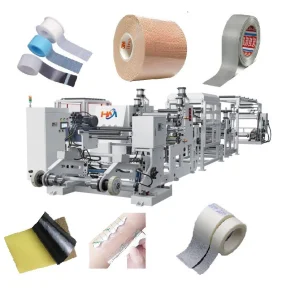
| Fabric Coating & Laminating Machine | Non-woven, Cotton fabric, Breathable PU film, PE | 50 m/min coating speed | Hypoallergenic surgical tape roll production |
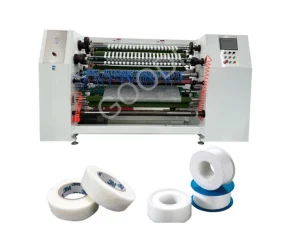
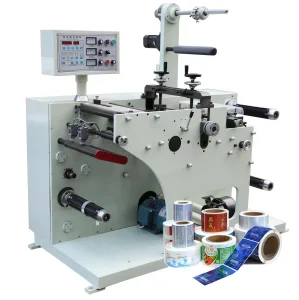
| Adhesive Tape Jumbo Roll Slitter Rewinder | Silk plaster, BOPP, PVC, non-woven tapes | 150 m/min slitting speed | Converting jumbo plaster rolls to clinical size rolls |
| Elastic Dressing Coating Machine | Woven elastic bandage fabrics, zinc oxide paste | 40 m/min coating speed | Sports medicine & orthopaedic support bandages |
| Horizontal Flow Bag Sachet Packing Machine | Paper-poly pouches, medical heat-sealable films | 120 bags/min | Individually wrapped sterile surgical adhesive strips |
Suzhou Hanora Medical Supplies Co., Ltd. is founded in 2013. We are a sourcing company focusing on medical devices and lab equipment. We are committed to provide our clients with one-stop sourcing services, serving as their virtual office in China. Our sourcing services include: product sourcing, price negotiation, supplier verification, factory auditing, production monitoring, lab testing, order follow-up, quality control, pre-shipment inspection, logistics support, etc.
We have exported our products to more than 30 countries with a lot experience on sourcing and exporting. For our clients we promise: the prices we offer are 100% authentic factory-gate prices, and clients are always allowed to pay directly to the factories. Beside business, we also care about the poor people, and we always give 5% from our profit to the charity to make a better world!
 Free Sourcing
For new clients, we provide free services of product sourcing for 3 different products, and price quotes will be sent within 1-2 working days after acquiring client demands.
 Pay Directly
We provide multiple payment options, including direct payment to the factories, making it more convenient and safe for our clients.
 Factory Audits
Our expert team will investigate the factories in an all-rounded way, including verifying their factory and product qualifications, checking the history records of customs exportation, on-site visits, and pre-shipment inspection.
 Negotiation
For clients who need to forge long-term cooperation with the factories or other special needs, we can dispatch representatives to the factories for business negotiation.
 Complex Orders
Based on our rich supplier system, we can provide OEM, ODM, sampling, shipments of mixed models, and other complex services.
 Freight Service
The team has exported to more than 30 countries and partnered with dozens of freight forwarding companies, based on which we can provide clients with the most favorable quotations and stable freight services.

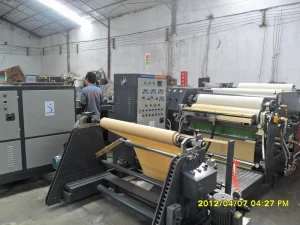
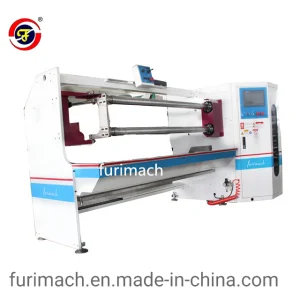
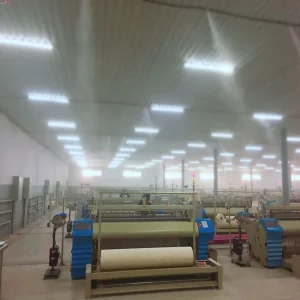
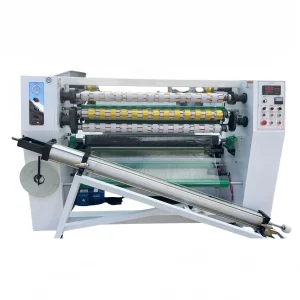
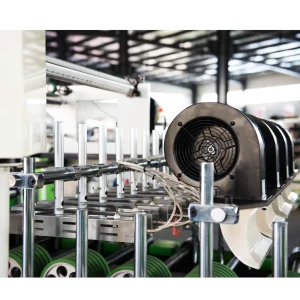
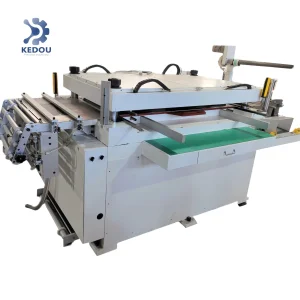
In medical tape processing, maintaining consistent tension control across the substrate (non-woven, PE film, or elastic fabric) is crucial to preventing adhesive wrinkles, curl defects, or thickness variation. The systems we supply employ closed-loop tension controllers integrated with load cells and magnetic powder brakes. These components automatically adjust tension parameters in response to changing jumbo roll outer diameters during high-speed slitting operations.
For operations based in Oceania, hot-melt adhesive lamination systems are highly recommended. Unlike solvent-based coatings, hot-melt processes do not require solvent recovery systems, making them safer, more eco-friendly, and easier to operate within smaller localized facilities. Our coating heads deliver accurate thickness control (±0.005mm deviation) across fabrics, providing the high level of reliability required for medical-grade applications.
Medical tape production should be carried out in a cleanroom environment (typically ISO Class 8 or Class 7) to prevent airborne particulate contamination. The manufacturing equipment we deliver features stainless steel frames, antistatic discharge components, and enclosed lubrication ports to keep processing zones sanitary and simplify cleaning procedures.
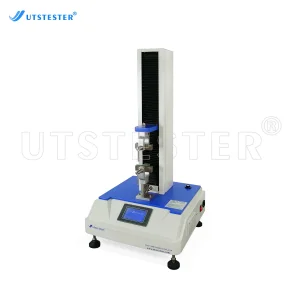
Important Quality Milestone: Before starting commercial production, local factories must validate peel adhesion levels, moisture vapor transmission rates (MVTR), and cytotoxicity values (ISO 10993). Our peeling strength testing machines are engineered specifically to provide automated test validation inside local laboratory sites.
 Hanora Medical