High-precision medical machinery engineered to meet global sterile standards and optimize regional medical device production.
Rwanda is undergoing a structural economic transition, guided by the ambitious goals of Vision 2050. A major pillar of this policy is industrialization and the domestic production of essential medical items. Over the last decade, Rwanda’s healthcare sector has heavily relied on imported disposables, including intravenous (IV) cannulas, wound dressings, and securement devices. Today, the Government of Rwanda, through the Rwanda FDA (Food and Drugs Authority) and the Ministry of Health, is actively incentivizing local pharmaceutical and medical device manufacturing.
Establishing localized manufacturing systems for IV transparent dressings is not only a commercial opportunity but a crucial strategy to address supply chain vulnerabilities in the East African Community (EAC). Importing ready-to-use dressings exposes regional health systems to exchange rate fluctuations, shipping delays, and customs bottlenecks at transit ports such as Mombasa and Dar es Salaam. By importing advanced IV dressing production lines, domestic manufacturers can secure regional self-sufficiency, optimize costs, and supply high-quality, sterile products to both public and private hospitals across Rwanda.
Globally, the medical dressing industry is shifting from basic cotton gauzes to smart, breathable, and transparent polymer films (primarily Polyurethane) that provide barriers against pathogens while allowing visual inspection of the insertion site. The Global IV Dressing market is growing rapidly due to the rising prevalence of chronic conditions requiring intravenous therapies.
In Rwanda and neighboring states (Burundi, DRC, Uganda, and Tanzania), the market demand is driven by the expansion of healthcare access via universal health coverage (e.g., the *Mutuelle de Santé* scheme). The demand for IV securement products is rising in emergency care, maternity units, and surgical suites. For Rwandan exporters, supplying regional neighbors presents a lucrative pathway, as the regional market lacks dedicated, high-tech manufacturers capable of producing high-volume, premium-grade medical-grade adhesive dressings at competitive price points.
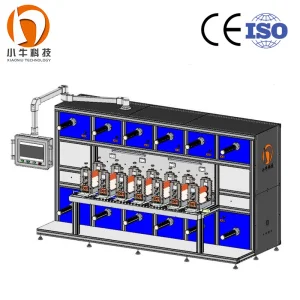
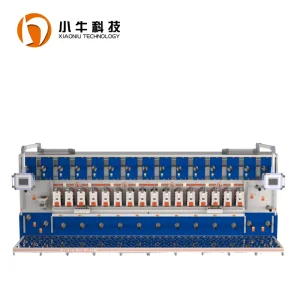
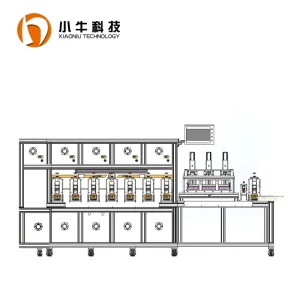
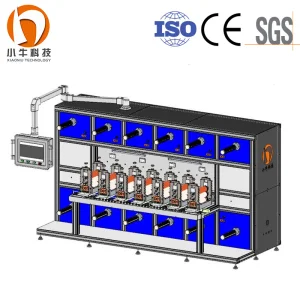
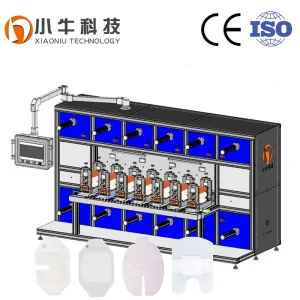
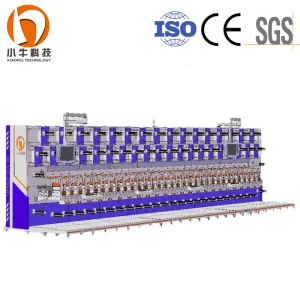
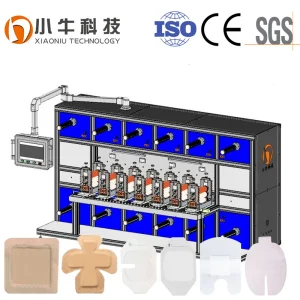
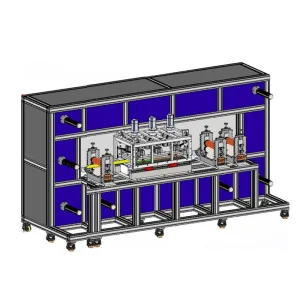
To maintain competitiveness, a modern IV dressing plant must employ automated, precision-engineered machinery. Suzhou Hanora Medical’s manufacturing partners specialize in high-efficiency, multi-functional rotary die-cutting and packaging units that integrate multiple processes into a single automated line. Below is the technical roadmap for modern IV dressing machinery:
Integrated HMI touchscreens powered by Siemens or Mitsubishi PLCs monitor real-time tension, feeding accuracy, and cutting parameters, reducing waste and minimizing human error.
Advanced rotary tooling allows clean, micro-tolerance cutting of polyurethane (PU) film, release paper, and non-woven backing, ensuring consistent dressing sizes and easy application slits.
Synchronous sealing systems package individual dressings into medical paper-plastic pouches, ensuring they are fully prepped for Ethylene Oxide (ETO) or Gamma radiation sterilization.
As environmental concerns rise, next-generation medical plants in East Africa are seeking technologies capable of handling bio-based polymers and solvent-free acrylic adhesives. Modern IV dressing lines must be flexible enough to handle variations in raw material thickness, adhesive weight, and backing structures (such as hydrocolloid formulations). Our machines are engineered with modular raw material feed shafts, allowing easy upgrades to process next-gen sustainable materials without necessitating complete machinery replacement.
Suzhou Hanora Medical Supplies Co., Ltd., established in 2013, is a premier sourcing and engineering partner focusing on medical device production lines, laboratory equipment, and sterile consumables. Operating as our clients' virtual office in China, we manage the entire procurement pipeline: from supplier vetting and price negotiation to on-site factory audits, pre-shipment quality control, and international logistics.
For Rwandan manufacturers establishing or expanding local production plants, Hanora offers direct transparency. We guarantee 100% authentic factory-gate pricing, enabling our clients to pay factories directly, ensuring full fiscal trust. Beyond commerce, we actively dedicate 5% of our net profits to global charity initiatives to build a better, healthier world.

 Free Sourcing Service
New clients receive free sourcing services for up to 3 distinct product lines, with complete quotes issued within 1-2 working days.
 Pay Directly to Factory
Enhance transaction safety and transparency by paying manufacturing plants directly under our supervised sourcing agreements.
 Professional Factory Auditing
Our engineering team performs comprehensive on-site inspections, verifying qualifications, machinery quality, and historical export records.
 Strategic Business Negotiation
We deploy representatives directly to Chinese factories to negotiate favorable unit pricing, customized warranties, and technical terms.
 Handling Complex Orders
Support for OEM/ODM customization, specialized material sampling, and consolidated mixed shipments of varied medical line machinery.
 Reliable Freight Logistics
Leveraging partnerships across dozens of shipping lines to secure stable sea freight and air cargo forwarding from China to Rwanda.

China remains the global heart of medical machinery and medical-grade raw material supply chains. The cluster of medical-grade device component manufacturers in East China (Jiangsu and Zhejiang provinces) provides an unmatched ecosystem of raw non-woven fabrics, medical polyurethane films, acrylic adhesives, and precision rotary dies. This geographical concentration of suppliers yields:
To succeed in the Rwandan pharmaceutical landscape, complying with local regulations is imperative. The Rwanda Food and Drugs Authority (Rwanda FDA) strictly regulates manufacturing environments, requiring Good Manufacturing Practices (GMP) and cleanroom specifications (typically Class 100,000 / ISO Class 8 cleanrooms).
Hanora Medical supports clients by verifying that the machinery supplied conforms to GMP documentation requirements. Our network provides remote installation supervision, comprehensive mechanical diagrams, electrical schematics, and operating manuals in English. Furthermore, we facilitate on-site commissioning and engineer training to ensure local technicians can efficiently maintain, troubleshoot, and operate the PLC systems.
Select from our extensive catalog of high-durability, automated manufacturing systems tailored for East African medical supply demands.
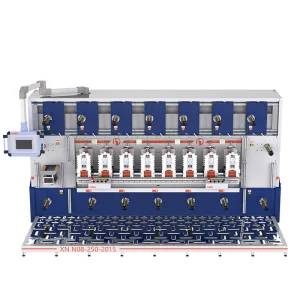
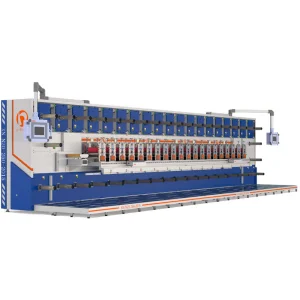
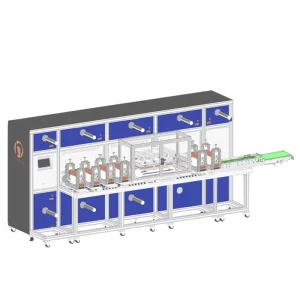
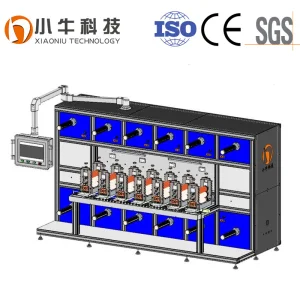
Rwandan medical exporters looking to target premium segments must consider diversifying their production lines beyond basic polyurethane transparent films. While PU dressings serve the vast majority of standard peripheral intravenous catheter (PIVC) requirements, specialized surgical wounds and central venous access devices (CVADs) often demand advanced formulations:
By establishing a hybrid factory setup that integrates both standard transparent dressing die-cutters and flexible hydrocolloid lines, local firms can capture the entire value chain—supplying both budget-conscious rural community clinics and high-end urban trauma centers.
Partner with Suzhou Hanora Medical to access direct-to-factory pricing, deep manufacturing expertise, and comprehensive sourcing solutions for your medical machinery needs in Rwanda and the East African Community.
Send Inquiry Now Hanora Medical