Automated manufacturing lines, sterilization rigs, and packaging machines optimized for medical-grade consumable assembly.
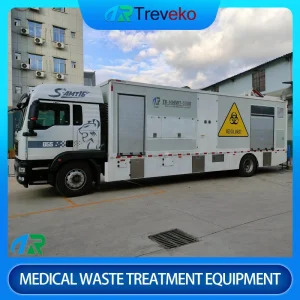
The global vaccination landscape has evolved beyond mere container shipment logistics. In today's healthcare environment, the stability of immunization efforts depends heavily on the structural reliability and micro-precision of physical delivery systems. From syringes and latex infusion tubes to protective barrier masks and clean-room assembly processes, the quality of vaccination supplies direct-impacts patient safety, dose efficacy, and global healthcare infrastructure sustainability.
As a primary medical equipment and consumables sourcing specialist, Suzhou Hanora Medical Supplies Co., Ltd. serves as an essential channel between international quality mandates and China's advanced manufacturing capabilities. Our focus on optimizing supply lines ensures that healthcare buyers, government entities, and global hospital systems secure high-volume components with zero regulatory vulnerabilities.
Procurement executives are shifting from transactional purchasing models to resilient, automated, and local-support supply matrices.
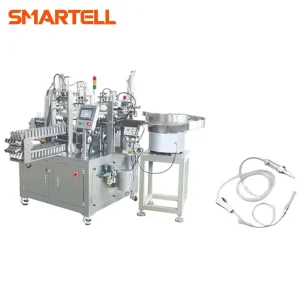
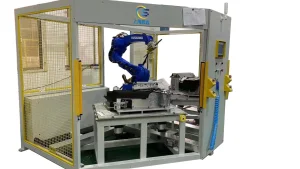
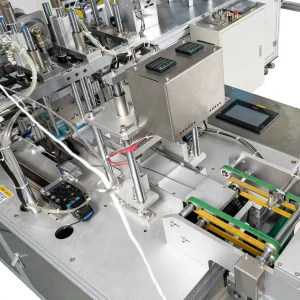
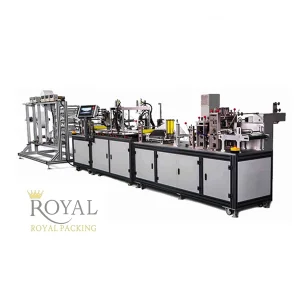
Human intervention in medical-grade plastic welding, syringe production, and tubing assembly is decreasing. Advanced automated machinery—such as automatic latex tube assembly rigs—ensures zero-contamination production loops, aligning with updated ISO Class 5 and Class 7 clean room specifications.
The enforcement of the EU Medical Device Regulation (MDR) and stringent FDA 510(k) clearances demand complete raw material traceability. Sourcing agencies must guarantee that manufacturers hold validated ISO 13485 certifications and structured Technical Files.
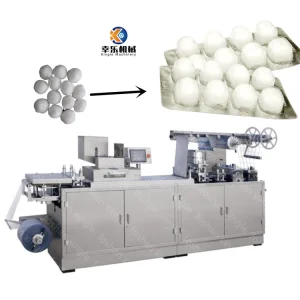
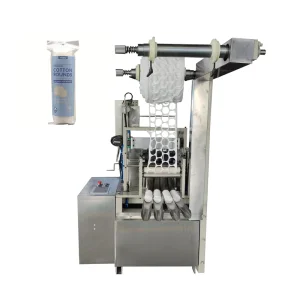
For medical prep components, such as alcohol cotton balls and prep pads, leakproof thermoforming blister packaging is crucial. Ensuring long shelf-life sterile barrier systems prevents solvent evaporation and microbial ingress during international shipping cycles.
We act as your virtual procurement office in China, removing risk and complexity from international medical-grade supply lines.

For new clients, we source up to 3 distinct medical products, providing detailed factory-direct quotes within 1-2 working days to optimize budget projection.

We establish complete financial transparency. Clients are encouraged to pay certified manufacturing facilities directly, minimizing transaction overhead and agent markups.

Our engineering inspectors conduct pre-audits, review customs export track records, run physical quality inspections, and verify licensing to ensure total compliance.

We deploy native-speaking medical sourcing experts directly to target manufacturing plants to negotiate strict QA agreements, lead times, and custom tooling terms.

Leverage our broad vendor ecosystem to run custom product tooling, customized sterile packaging, and mixed-model logistics for small or experimental trial runs.

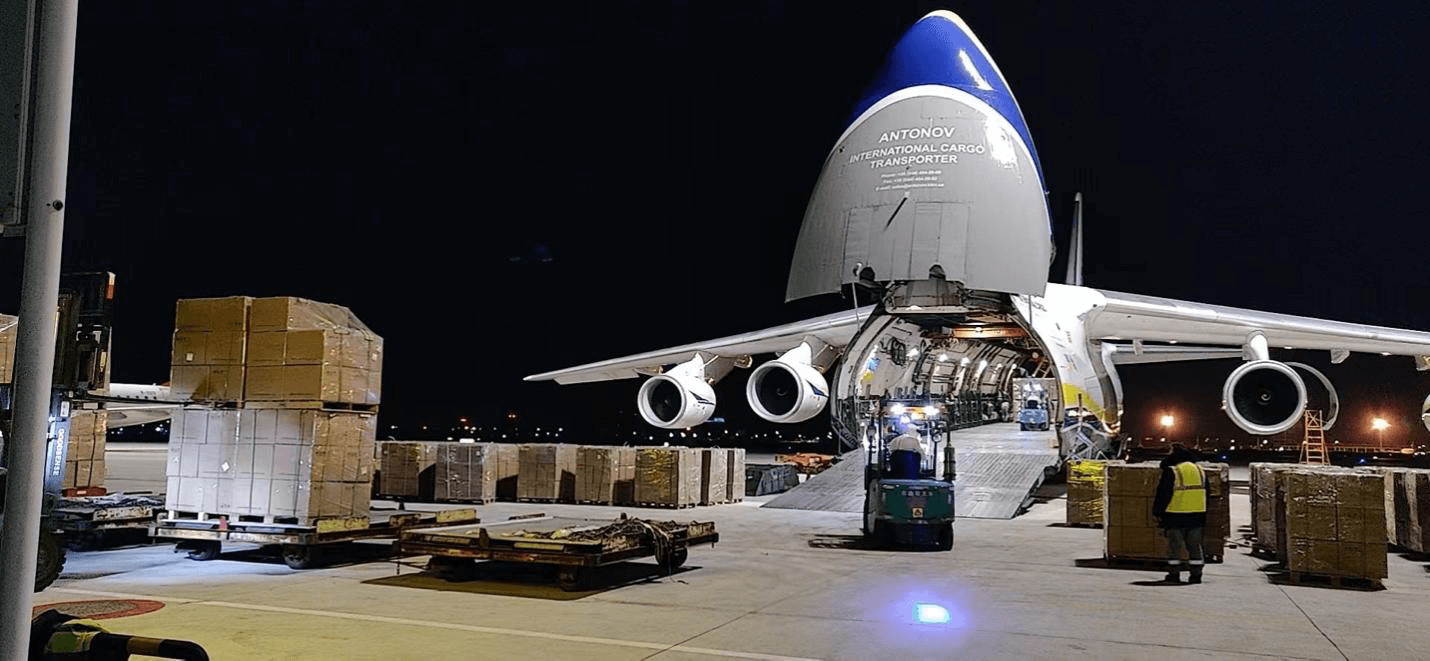
We coordinate with leading marine, air, and express forwarders to navigate customs barriers, import duties, and strict temperature-controlled storage mandates.
Sourcing vaccination supplies demands a deep understanding of production systems. A supplier must focus not only on the finished component, but on the machinery producing it. Below is an engineering overview of how key systems in our network maintain the precision required for clinical settings:
Infusion lines and latex tube assemblies require precise fluid dynamics and airtight connections. Modern assembly equipment employs high-precision pneumatic feeders, optical inspection cameras to detect microscopic blockages, and automated solvent or UV glue-curing modules. This minimizes human touchpoints, reducing bioburden and endotoxin counts to negligible levels.
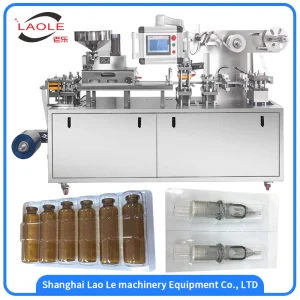
Packaging integrity is a critical point of failure in vaccination logistics. Machines like the DPP160 utilize thermoforming plastic films (such as PVC/PE/PVDC) sealed with medical-grade heat-sealable aluminum foils. Precise temperature control keeps seal strength parameters between 4N/15mm and 7N/15mm, preventing moisture or micro-organism migration.
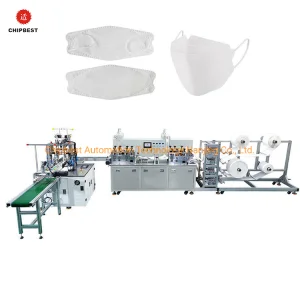
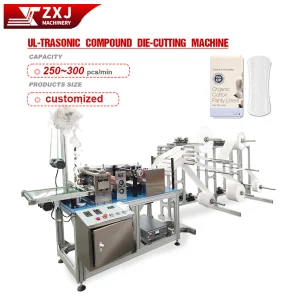
Face shields, gowns, and surgical mask assembly depend on consistent ultrasonic welding frequencies (typically 15kHz to 20kHz). High-frequency robotic plastic welding units bond multi-layer non-woven polypropylene substrates (Spunbond-Meltblown-Spunbond) without altering the electrostatic properties of the meltblown filtration core.

We mitigate international sourcing risks by utilizing a systematic verification process for all machinery and consumable contracts.
We review the factory's regulatory filings against local databases. We check their National Medical Products Administration (NMPA) certifications, ISO 13485 registration, CE declarations, and environmental permit records.
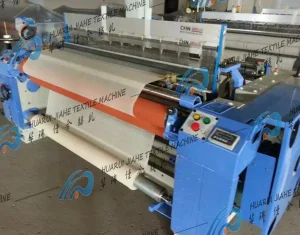
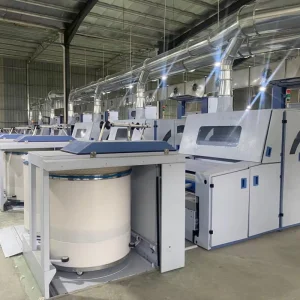
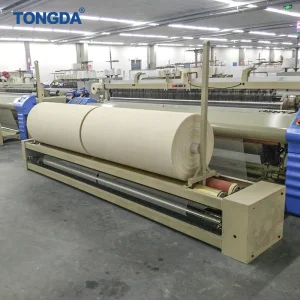
We perform physical factory floor audits. We verify cleanroom particulate parameters, check raw material storage controls, and evaluate the maintenance logs of manufacturing machinery, such as automated looms and packaging units.
We secure pre-shipment product samples and send them to third-party testing labs. We verify raw material composition, tensile strength, sterility profiles, and chemical residue profiles (e.g. ethylene oxide limits).
We monitor cargo loading to prevent physical damage and contamination. We verify moisture barrier lining, outer shipping carton durability, and compliance with shipping pallet requirements.
Answers to key regulatory, operational, and commercial questions for B2B procurement professionals.
Unlike typical trading firms that markup factory prices by 15-30%, we operate with complete financial transparency. We request our manufacturing partners to issue direct factory invoice quotes. This allows our clients to settle payments directly with the factory account, while Hanora receives an agreed-upon service fee or commission for quality control, auditing, and logistics oversight.
We verify that all supplied production machinery carries CE certification and complies with Machinery Directive 2006/42/EC. For sterile consumables and dressing lines, we work with factories certified under ISO 13485 (Medical devices - Quality management systems) and hold CE marks or FDA registrations depending on client jurisdiction.
We leverage our network of toolmakers and engineers to create customized solutions. We oversee prototype testing, mold design, material compatibility checks, and validation run reports. All OEM runs undergo pre-shipment inspections to verify packaging compliance and label printing requirements.
Standard machinery like the DPP160 Blister Packing or Automatic Mask machines typically require 35 to 60 days for assembly, custom tool fabrication, and calibration. Complex lines, such as automated latex tube assemblies, may require 75 to 90 days. We provide weekly status reports and visual check-ins throughout the process.
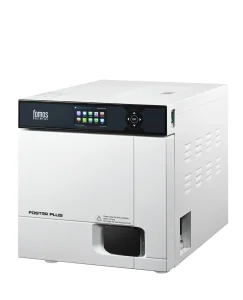
Explore our broader selection of medical device production machinery and clinical sterilization systems.
 Hanora Medical