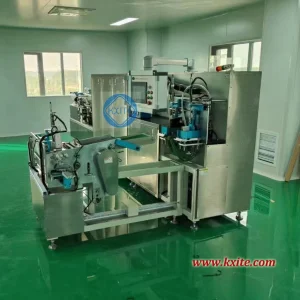
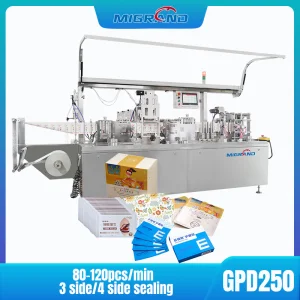
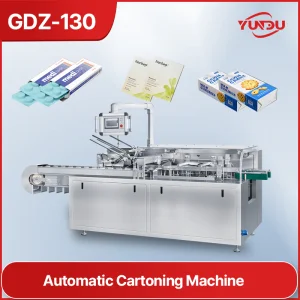
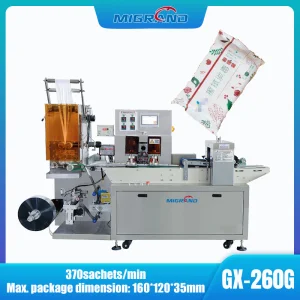
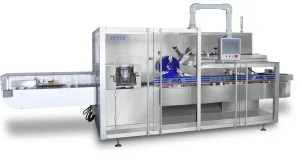
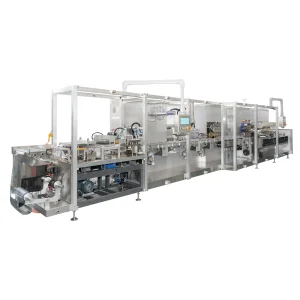
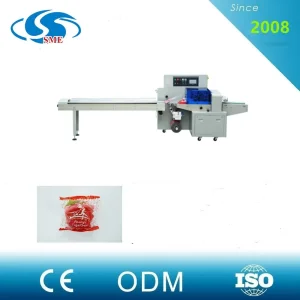
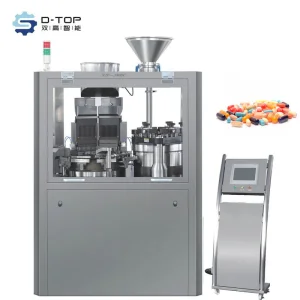
The global pharmaceutical landscape is witnessing a significant surge in demand for respiratory drug delivery systems. As chronic respiratory diseases such as Asthma and Chronic Obstructive Pulmonary Disease (COPD) become more prevalent worldwide, the need for high-quality, reliable Inhaler Assembly Machines has never been more critical. These complex medical devices, including Metered-Dose Inhalers (MDIs) and Dry Powder Inhalers (DPIs), require extremely high precision during the assembly process to ensure consistent dosage and patient safety.
In the industrial sector, the transition from semi-automatic to fully autonomous assembly lines is the defining trend. Leading manufacturers in Europe, North America, and Asia are investing heavily in AI-driven inspection systems and robotic integration. This global shift is driven by the stringent regulatory requirements of the FDA and EMA, which demand 100% traceability and zero-defect manufacturing in the pharmaceutical supply chain.

Sub-millimeter accuracy in valve insertion and canister crimping to ensure dosage integrity.

Designed for cleanroom environments with medical-grade stainless steel surfaces.

Integrated vision systems for real-time defect detection and automated rejection.
As we look toward the future of the medical device industry, several key trends are shaping the development of Inhaler Assembly Machines. Firstly, Industry 4.0 integration is no longer a luxury but a necessity. Modern assembly lines now feature IoT sensors that monitor machine health in real-time, allowing for predictive maintenance and reducing unplanned downtime.
Secondly, the industry is moving towards Modular Design. Manufacturers now seek flexible assembly platforms that can be quickly reconfigured to handle different inhaler designs or drug formulations. This is particularly important for CDMOs (Contract Development and Manufacturing Organizations) that serve multiple clients with varying specifications. Lastly, there is a growing focus on Sustainability, with assembly machines being optimized to reduce energy consumption and minimize material waste during the production of eco-friendly inhalers.
Did you know? The global market for respiratory inhalers is projected to reach billions of dollars by 2030, with a significant portion of that growth coming from emerging markets in Southeast Asia and Latin America, where localized production is becoming the preferred strategy for healthcare providers.
China has evolved into a global hub for high-end medical machinery manufacturing. Choosing a China Inhaler Assembly Machine manufacturer like Suzhou Hanora Medical offers several strategic advantages:
Suzhou Hanora Medical Supplies Co., Ltd., founded in 2013, is not just a sourcing company; we are your strategic partner in China. We specialize in medical devices and lab equipment, acting as your virtual office to ensure that every piece of machinery meets international standards. Our commitment to transparency is absolute—clients pay factories directly, and we provide 100% authentic pricing.

For new clients, we provide free services for 3 different products. Quotes sent within 1-2 working days.
Safe and convenient options including direct payments to manufacturers for complete financial security.
All-rounded audits: qualification verification, customs records check, on-site visits, and PSI.

We dispatch representatives for face-to-face negotiations to secure the best terms for long-term cooperation.

Handling OEM, ODM, sampling, and mixed-model shipments based on our rich supplier network.

Expert logistics support to 30+ countries with favorable quotations and stable shipping lanes.

Our Inhaler Assembly Machines are engineered to handle the delicate process of combining canisters, valves, actuators, and caps. Key technical features include:
Torque Monitoring: Precise control during the capping process to prevent leakage while ensuring ease of use for the patient. Leak Testing: Integrated pressure-decay testing to identify micro-leaks in the propellant chamber. Weight Verification: High-precision scales to ensure every inhaler contains the exact pharmaceutical dose required.
In local applications, these machines are utilized by pharmaceutical giants and local healthcare startups alike. For instance, in the North American market, our machines help clients meet strict 21 CFR Part 11 requirements for electronic records. In emerging markets, our robust designs ensure long-term reliability even in regions with varying power stability.
 Hanora Medical