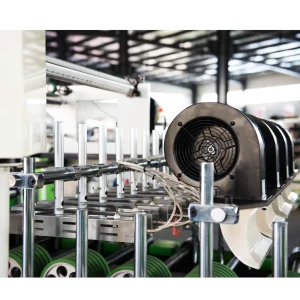
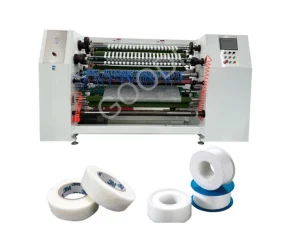
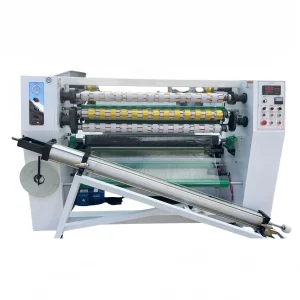
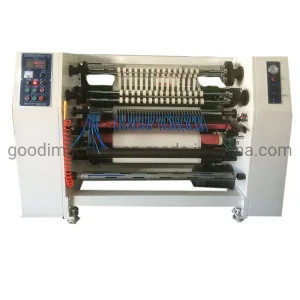
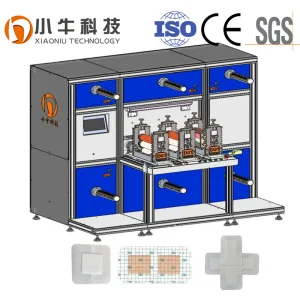
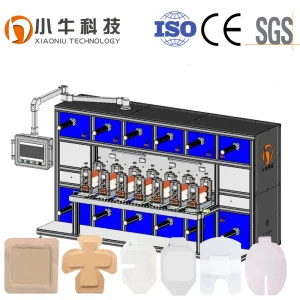
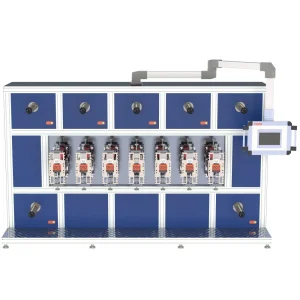
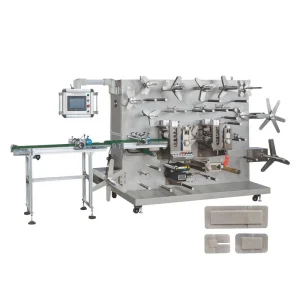
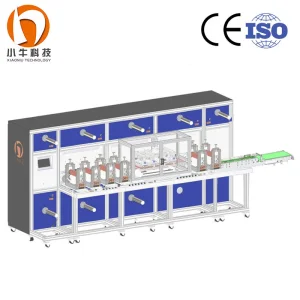
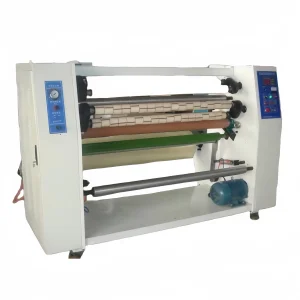
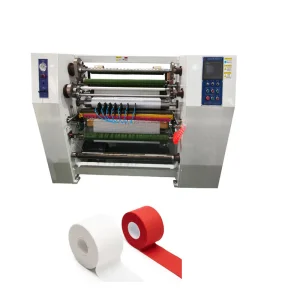
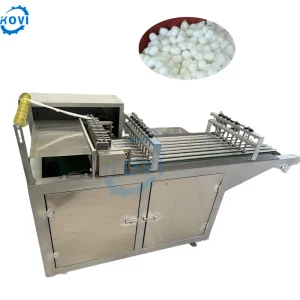
The global medical consumables market is witnessing a paradigm shift, and at the heart of this revolution is the Adhesive Plaster Making Machine. These sophisticated pieces of engineering are no longer just mechanical slitters; they are integrated systems combining chemical engineering (adhesive science), precision mechanics (slitting and rewinding), and high-speed automation (PLC control). As the world deals with an aging population and an increase in surgical procedures, the demand for high-quality, sterile, and hypoallergenic adhesive plasters has skyrocketed.
In the modern industrial landscape, a reliable supplier is not just a vendor but a strategic partner. From the traditional Zinc Oxide tapes to the latest PU (Polyurethane) transparent waterproof dressings, the manufacturing technology has evolved to provide breathability, skin-friendly adhesion, and industrial-scale efficiency. Global suppliers, particularly those in technological hubs like Suzhou, China, are leading the charge by integrating AI-driven quality inspection and high-speed rotary die-cutting technologies into their production lines.
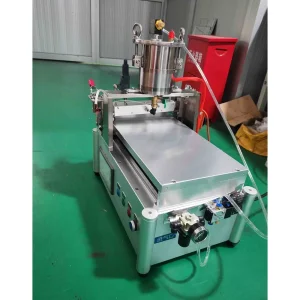
Currently, the industrial focus has shifted heavily toward Hot Melt Adhesive (HMA) technology. Unlike traditional solvent-based coating, HMA is eco-friendly, energy-efficient, and free from VOC (Volatile Organic Compounds) emissions. This makes it the preferred choice for medical-grade plasters used in hospitals worldwide. Suppliers who can offer machines with "Gap Coating" or "Full Coating" capabilities are currently the most sought-after in the global market.
Modern production lines are reaching speeds of up to 100 meters per minute for coating and 600 pieces per minute for individual plaster packaging, drastically reducing labor costs.
Integration of tension control systems from brands like Mitsubishi or Siemens ensures that fragile materials like non-woven or PU film don't stretch during the process.
ISO and CE compliance are mandatory. Machines are now designed with "Clean Room" compatibility in mind, using stainless steel surfaces and low-dust components.
Procurement teams from the Middle East, Southeast Asia, and South America are increasingly looking for turnkey solutions. They require a machine that can take raw jumbo rolls of silk, PE, or non-woven fabric and turn them into ready-to-sell first aid bandages in a single, continuous process. This "raw-material-to-product" capability is what defines the top-tier suppliers in the market today.
Countries Exported
Years Excellence
Profit to Charity
Authentic Prices
Different regions have unique medical demands. For instance, in humid tropical climates, adhesive plasters must have superior water resistance and high breathability to prevent skin maceration. In contrast, in clinical settings in Europe or North America, there is a high demand for Post-Operative Wound Dressings which require complex multi-layer laminating (PU film + Absorbent Pad + Release Paper).
As a premier Chinese factory representative, Suzhou Hanora Medical understands these nuances. We don't just sell a machine; we configure the tension, the blade precision, and the heating elements to match the specific raw materials available in your local market.
Your Virtual Office and Strategic Sourcing Partner in China
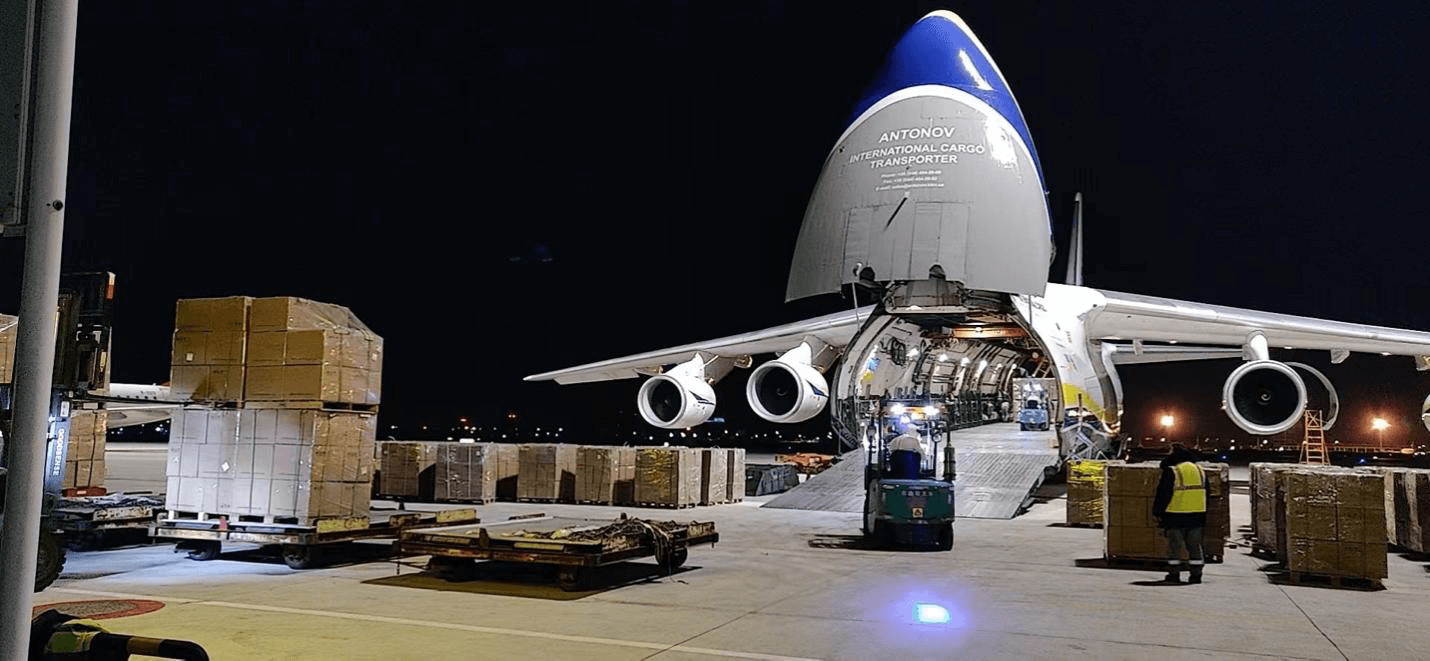
Founded in 2013, Suzhou Hanora Medical has redefined the sourcing experience for medical machinery. We understand that purchasing an Adhesive Plaster Making Machine is a significant investment. Our mission is to bridge the gap between global buyers and top-tier Chinese manufacturing prowess.
 Free Sourcing Service: We provide 3 product quotes for free within 48 hours.
 Direct Payment: Clients can pay factories directly for total transparency.
 Strict Inspection: On-site audits and pre-shipment inspections are standard procedure.
 Business Negotiation: Our team acts as your advocate to get the best terms.
When looking for the top 10 adhesive plaster making machine suppliers, you should evaluate them based on three critical pillars: Precision, Versatility, and After-Sales Support.
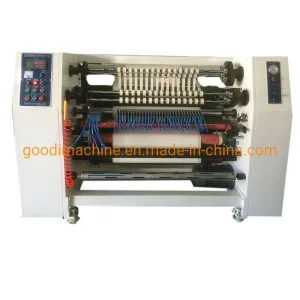
The "Top 10" in the industry are those who have successfully integrated servo-motor control into their slitting and rewinding processes. Traditional mechanical systems often lead to uneven tension, which results in "telescoping" rolls or poor adhesive quality. Modern leaders use ultrasonic sensors to maintain edge alignment (Web Guiding Systems) during the high-speed coating process. Furthermore, the ability to handle various substrates—silk, cotton, PE film, PU film, and non-woven fabric—separates the market leaders from the average workshops.
Contact Suzhou Hanora Medical today for your professional machinery sourcing and industrial solutions!
 Hanora Medical