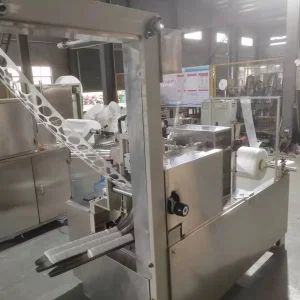
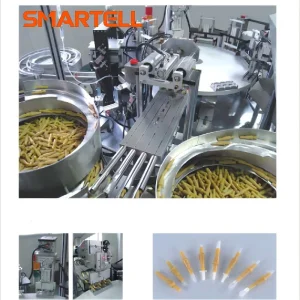
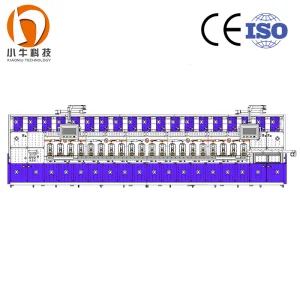
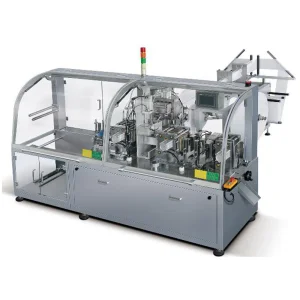
Explore our high-performance manufacturing lines engineered to meet rigorous ISO and CE standards for cleanroom environments.
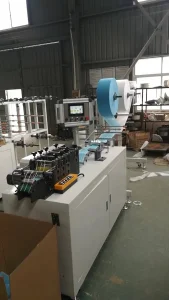
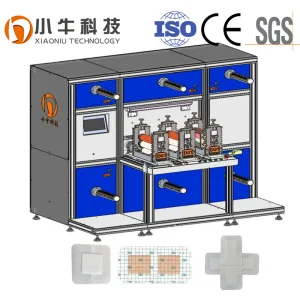
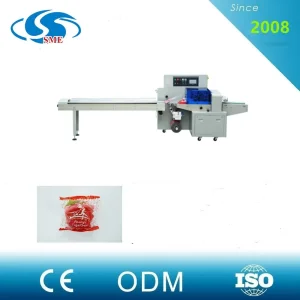
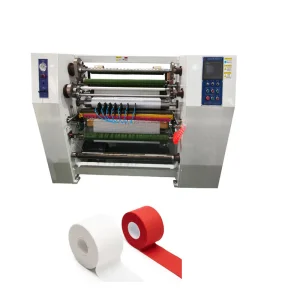
An in-depth analysis of regulatory constraints, machinery validation, and processing solutions in medical hardware manufacturing.
Modern healthcare environments demand uncompromising safety. As regulatory agencies worldwide align under standardized hazard analysis models, medical device procurement agents face the complex task of selecting sterile systems that guarantee absolute sterilization validation while preserving material integrity. The procurement cycle for custom OEM medical sterilization machinery has shifted from a transaction-based model to an engineered integration process. Facilities no longer look for off-the-shelf sterilization chambers; they require comprehensive turnkey solutions capable of continuous validation, cycle flexibility, and minimal environmental footprint.
Whether processing Class I surgical disposables, Class II diagnostic infusion pathways, or high-risk Class III implantable components, the sterilization framework dictates the design characteristics of the packaging and production systems. OEMs must build custom machinery with structural alloys resistant to corrosive process agents (such as vaporized hydrogen peroxide or hot gas mixtures) while keeping control frameworks compliant with digital logging directives like the FDA's 21 CFR Part 11.
Strategic Insight: Modern validation systems demand real-time parametric release indicators. Legacy post-process biological indicators are increasingly supported by continuous digital parametric verification loops to streamline supply chain velocity.
Selecting the optimal technological route determines the operational efficiency and compliance pathway of the production line. Below, we break down the critical parameters of the primary sterilization modalities utilized in modern OEM configurations:
Ethylene Oxide (EtO / EO) Sterilization: Highly suitable for heat-sensitive plastics, multi-component kits, and complex tubing configurations such as IV infusion sets or catheter systems. EtO operates at relatively low temperatures (37°C to 63°C), preventing the thermal degradation of delicate polymers. However, it requires intensive post-sterilization degassing cycles to remove toxic residuals, demanding specialized gas recovery and environmental abatement systems to comply with EPA and EU OSHA standards.
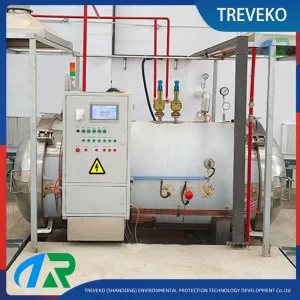
Steam Autoclave (Thermal Sterilization): The industry standard for reusable surgical instruments, metal components, and heat-resistant medical waste processing. Leveraging saturated steam under pressure (typically at 121°C or 134°C), autoclaves quickly destroy microbial life through denaturing cellular proteins. Modern OEM configurations focus on rapid-cooling jacket designs, vacuum pulse profiling (prevacuum phases) to eliminate air pockets in porous loads, and automated material handling configurations to minimize operator exposure.
Electron Beam (E-Beam) and Gamma Radiation: Continuous-flow, physical sterilization techniques that rely on ionizing radiation to disrupt microbial DNA. E-beam is popular for high-volume, automated packaging lines because it integrates directly with modern in-line packaging setups. However, high capital expenditures (CapEx) make localized contract facility routing or dedicated, custom-shielded OEM installations the reserve of high-throughput manufacturers.
Exporting sterilization and production machinery globally requires strict adherence to international regulatory baselines. The standard ISO 13485:2016 specifies quality management systems for medical devices, mandating that manufacturing processes—and the equipment used to execute them—be fully validated under rigorous Installation Qualification (IQ), Operational Qualification (OQ), and Performance Qualification (PQ) models.
For custom sterilization systems, this involves verifying pressure-vessel structural integrity (via ASME or PED certification), validating uniform temperature and gas concentration distribution across the load chambers, and proving microbiological lethality (reaching a Sterility Assurance Level, or SAL, of 10-6). Additionally, international markets like the European Union require adherence to the Medical Device Regulation (EU MDR 2017/745), which places increased emphasis on post-market clinical follow-ups and strict traceability of components throughout the machine lifecycle.
Founded in 2013, Suzhou Hanora Medical Supplies Co., Ltd. is a premier sourcing partner specializing in medical devices, production lines, and lab equipment. Operating as a virtual office in China for international clients, Hanora Medical streamlines the supply chain by bridging global requirements with verified, state-of-the-art Chinese manufacturing facilities.
The company's core mission is to eliminate the typical pain points of international procurement: variable quality, communication gaps, and regulatory mismatches. By handling the complete lifecycle of product procurement—from raw supplier audits to post-shipment logistics—Hanora Medical ensures that every custom OEM sterilization project meets the exacting performance expectations of regulatory bodies worldwide.
Our baseline promise: Clients receive 100% authentic factory-gate pricing with the option to pay factories directly, ensuring absolute financial transparency.
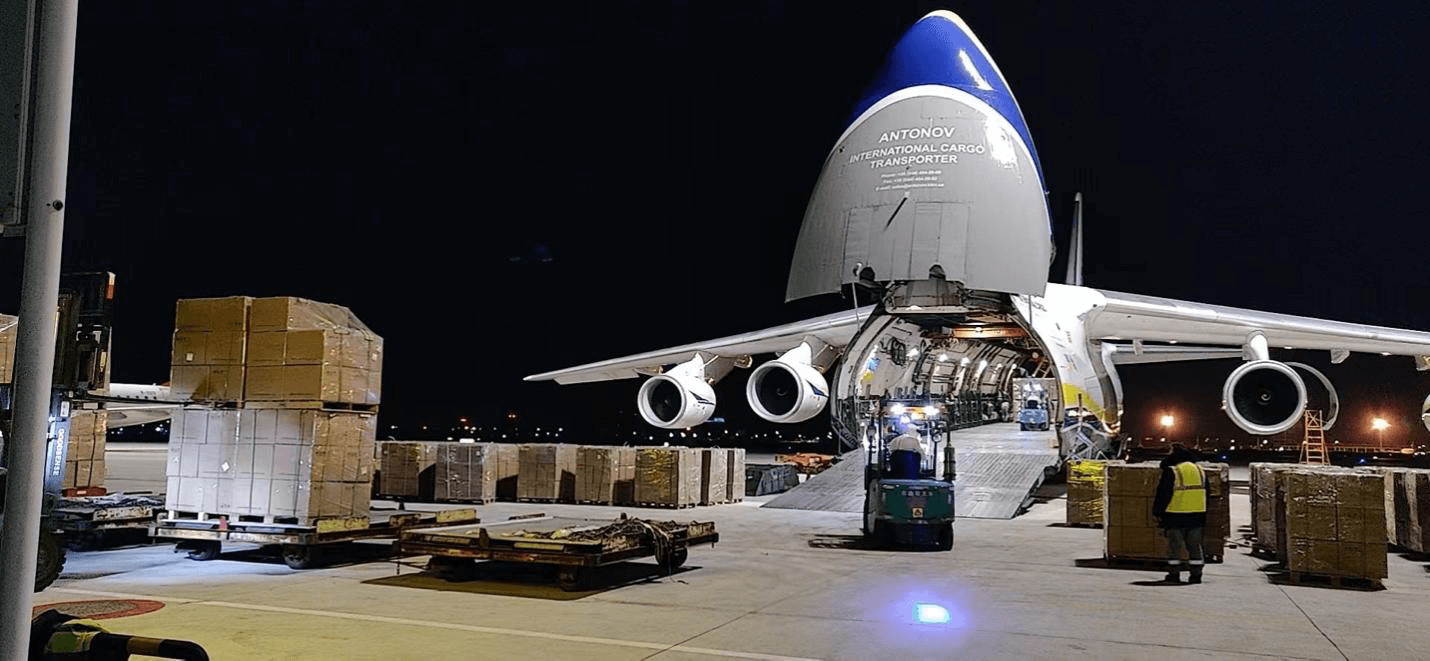
Comprehensive supply chain solutions designed to mitigate risk and guarantee compliance for global medical manufacturers.

For new clients, we provide complimentary sourcing services for up to three distinct medical products, providing detailed factory-direct quotes within 1-2 working days.

Mitigate financial transactional risk. Clients are empowered to pay the factories directly, maintaining complete visibility over capital flow and order processing.

Our engineering team performs exhaustive on-site factory verification, customs compliance history audits, qualification validation, and rigorous pre-shipment inspections.

We deploy senior trade representatives directly to Chinese manufacturing facilities to negotiate terms, finalize custom technical parameters, and secure long-term pricing agreements.

Leveraging a vast network of technical suppliers, we manage complex OEM, ODM, custom sample prototyping, and consolidated mixed-model shipments seamlessly.

Exporting to more than 30 countries requires deep logistics mastery. We maintain partnerships with tier-1 freight forwarders to guarantee optimal pricing, custom clearance, and port delivery.
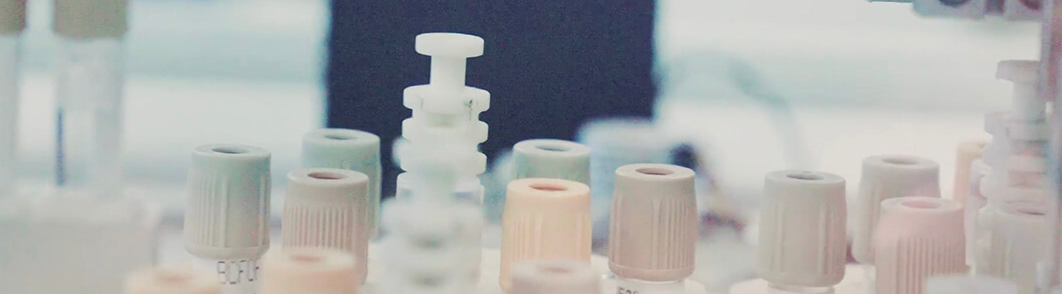
Comprehensive technical answers to critical sourcing, validation, and design queries from global procurement managers.
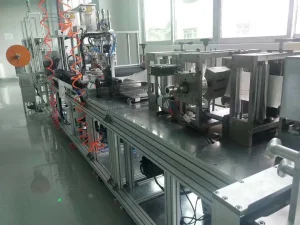
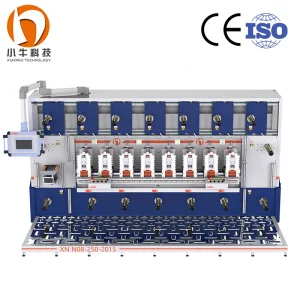
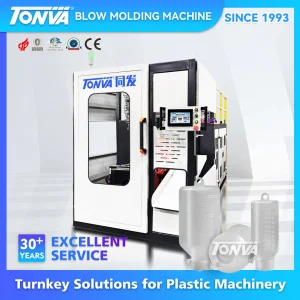
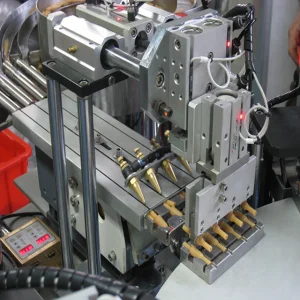
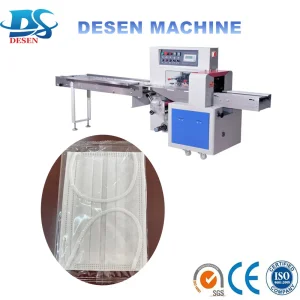
Explore our complete assembly solutions, medical waste equipment, and sterile product packaging systems.
 Hanora Medical