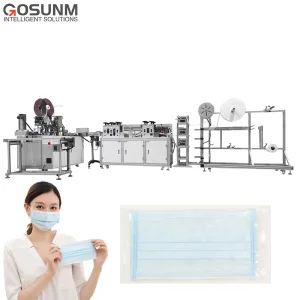
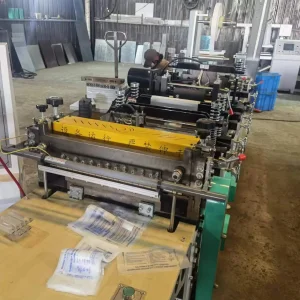
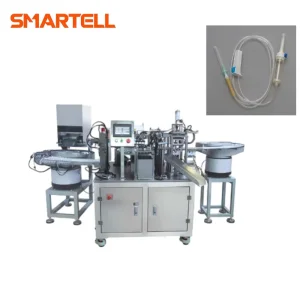
Automated fluid path assembly and medical-grade manufacturing systems engineered to deliver absolute sterile integrity.
Founded in 2013 in the heart of China’s high-tech medical manufacturing hub, Suzhou Hanora Medical Supplies Co., Ltd. has established itself as an authoritative global sourcing leader and virtual office partner for medical devices, laboratory equipment, and automated fluid management systems. We specialize in eliminating cross-border purchasing risks by providing end-to-end management from cleanroom verification to final logistical dispatch.
With an extensive footprint covering over 30 countries across the Americas, Europe, and the Middle East, our technical teams conduct comprehensive supplier audits, verify dynamic sterile compliance, and secure 100% factory-gate pricing. We bridge the gap between complex engineering requirements and localized production capabilities, allowing global buyers to trade directly with verified Chinese manufacturers.
Beyond engineering excellence, we are deeply committed to social responsibility. Hanora Medical proudly allocates 5% of all corporate profits to international charity organizations to support medical aid and educational development in underprivileged communities.
How our virtual office in China ensures product quality, regulatory validation, and seamless logistics.

We provide new clients with comprehensive sourcing services for up to 3 distinct product lines, delivering detailed, factory-verified quotes within 1 to 2 working days.

Maximize financial transparency and compliance. We facilitate direct payment pathways to manufacturing factories, eliminating intermediary markups and ensuring escrow safety.

Our engineering division performs systematic on-site verification, covering cleanroom classifications, ISO 13485 standards, raw material traceability, and customs export track records.

We deploy senior medical equipment negotiators directly to factory headquarters to establish long-term contract pricing, warranty frameworks, and dedicated SLA structures.

We coordinate complex multi-component customization programs. This includes managing tool validation, clinical trial prototyping, raw material biocompatibility, and mixed-cargo consolidation.

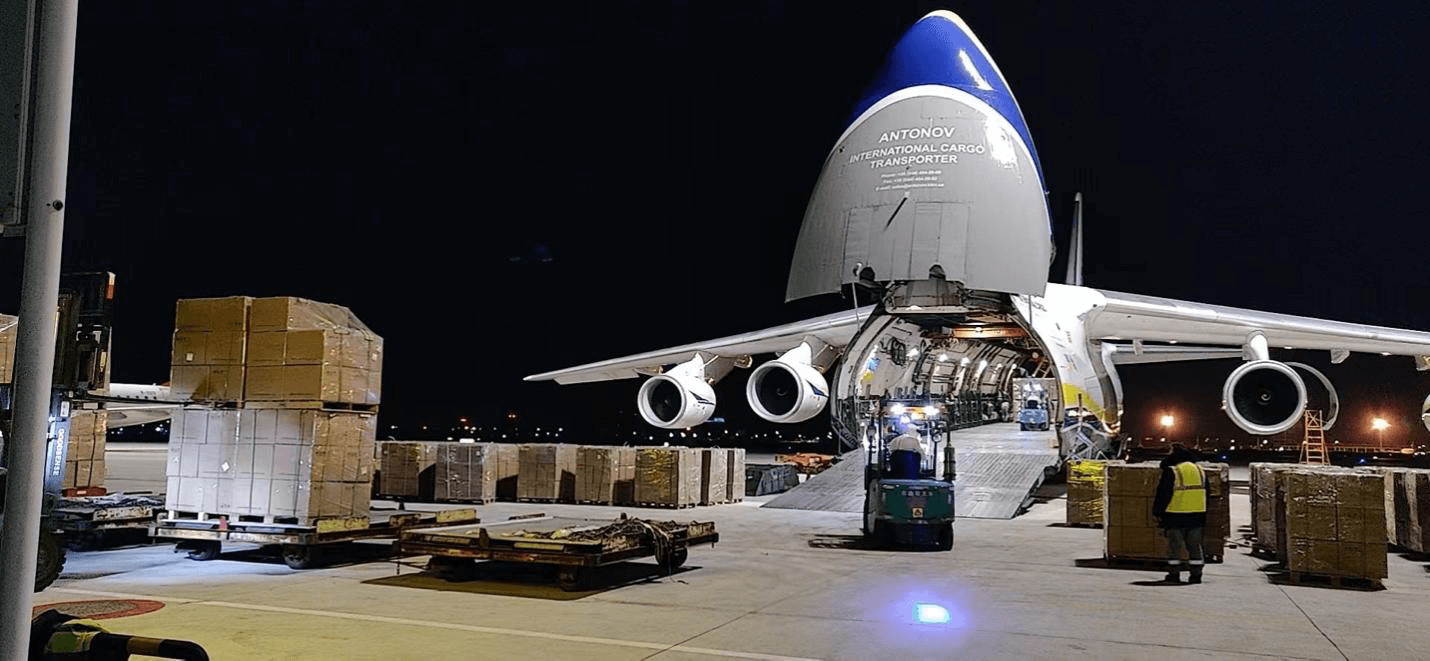
Partnering with premier international carriers, we manage complex medical freight distribution to over 30 countries, handling export customs clearance and secure shipping configurations.

In modern biopharmaceutical processing and clinical healthcare, the integrity of fluid pathways is paramount. Fluid Management Systems (FMS) control the sterile transfer, dosing, mixing, and filtration of sensitive biological fluids, active pharmaceutical ingredients (APIs), and IV solutions. The transition toward single-use technologies (SUT) and highly automated BFS (Blow-Fill-Seal) platforms has rewritten quality control protocols globally.
Over the past decade, Chinese medical manufacturers have transitioned from low-cost assemblers to leaders in high-precision biomedical engineering. The integration of advanced injection molding, high-speed automated extrusion, and ISO Class 5 cleanroom automation within domestic industrial clusters offers distinct competitive advantages:
Regulatory authorities, including the FDA and EMA under the revised Annex 1 guidelines, have placed sterile boundary maintenance at the center of compliance audits. This regulatory environment is driving several major industry transformations:
Transition to Single-Use Systems (SUS): Single-use bags, tubing assemblies, and connectors are replacing traditional stainless-steel piping. This shift eliminates the need for Clean-in-Place (CIP) and Steam-in-Place (SIP) validation steps, reducing cross-contamination risks and accelerating facility turnaround times.
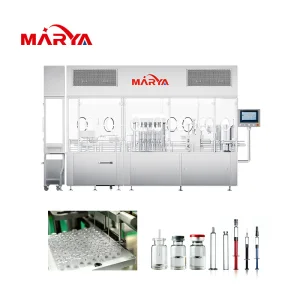
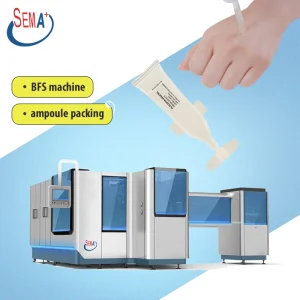
Blow-Fill-Seal (BFS) Dominance: For high-volume parenteral drugs (such as IV infusions and ophthalmic drops), BFS technology forms, fills, and seals the container in a continuous, automated process within a sterile air shower. This completely bypasses human intervention in the critical filling zone.
Digital Integration & IoT Analytics: Modern FMS platforms feature mass-flow controllers, non-invasive ultrasonic flow sensors, and inline spectroscopic analytical technology (PAT) to monitor flow rates, turbidity, and fluid characteristics in real time.
Modern FMS installations must adapt to specific localized requirements across different application areas:
During cell culture and downstream purification, fluid pathways must support aseptic sampling, sterile filtration, and media transfer. Single-use bags and manifolds with sterile connectors (e.g., genderless polycarbonate connectors) ensure secure, closed-loop transfers outside of class A laminar flow hoods.
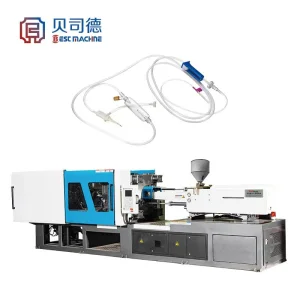
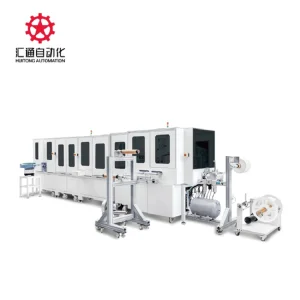
For operations manufacturing IV drip sets, saline bags, and dialysis bags, automated bag-making and filling machinery must operate continuously. Integrating precise weight-metric filling systems with thermal sealing guarantees leak-free operation and high throughput.
Global procurement teams must look beyond initial purchase prices when sourcing fluid management systems. A robust risk-mitigation framework includes:
Expert technical insights regarding compliance, configuration, and global procurement of Fluid Management Systems.
For fluid-contact manifolds, assemblies, and tubing, materials must carry USP Class VI certification, comply with FDA 21 CFR 177 regulations, and meet European Pharmacopoeia (EP) Chapter 3 standards. Processing equipment must carry CE markings for European markets, conform to relevant ISO standards (such as ISO 13485 for medical devices), and support validation protocols under WHO GMP guidelines.
Hanora Medical serves as your local technical office in China. We conduct pre-shipment inspections (PSI), review material certificates, perform Factory Acceptance Testing (FAT) on automated systems, and verify structural designs. We also audit cleanroom production parameters to confirm compliance with ISO Class 7/8 cleanroom standards before release.
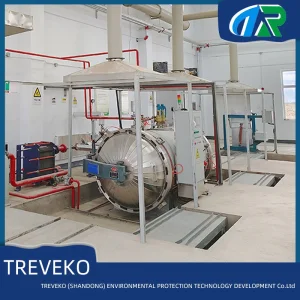
Single-use systems feature gamma-irradiated plastic components that are disposed of after processing. This setup eliminates the need for high-cost cleaning validations and autoclaving, while significantly reducing cross-contamination risks. In contrast, stainless steel systems offer higher pressure limits and better thermal stability, but require complex CIP/SIP validation infrastructure.
E&L testing uses specific solvent extractions to identify chemical compounds that could migrate from the plastic tubing into the fluid path. As part of a thorough verification process, we ensure factories provide comprehensive E&L profiles based on ASTM and USP standards, giving biopharmaceutical manufacturers the necessary data to assess safety risks.
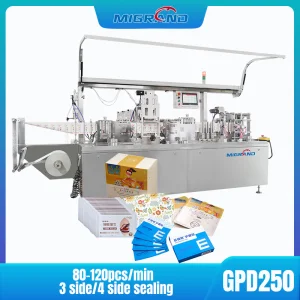
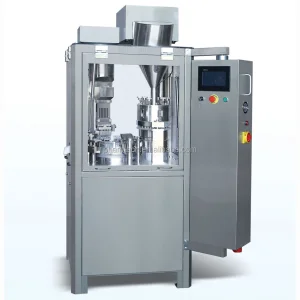
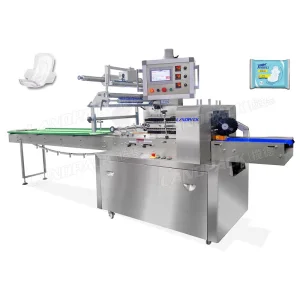
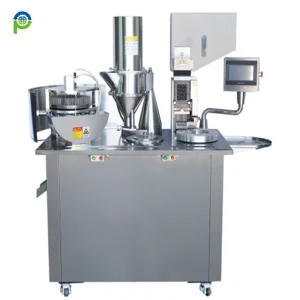
Advanced pharmaceutical automation systems supporting sterile packaging, filling, and continuous medical-grade processing.
 Hanora Medical