In the ever-evolving healthcare landscape, effective management of medical equipment is crucial. The adoption of a comprehensive Medical Equipment Lifecycle Management Guide serves as a foundational strategy for hospitals and clinics. According to a report by Frost & Sullivan, hospitals can reduce equipment costs by up to 15% through better lifecycle management. This highlights the potential for significant savings and improved operational efficiency.
Dr. Jane Smith, a leading expert in healthcare technology, emphasizes, "Understanding the lifecycle of medical equipment can greatly enhance a facility’s performance." This statement underscores the importance of formalized management processes throughout the equipment's lifecycle, from acquisition to disposal. Facilities that neglect this aspect often face increased repair costs and operational downtimes, reflecting a gap in strategic planning.
However, many healthcare providers still struggle with implementing these practices effectively. Variables such as outdated training and insufficient data analytics can hinder success. Thus, learning from best practices and expert insights becomes essential for overcoming these barriers and achieving optimal results in medical equipment management.
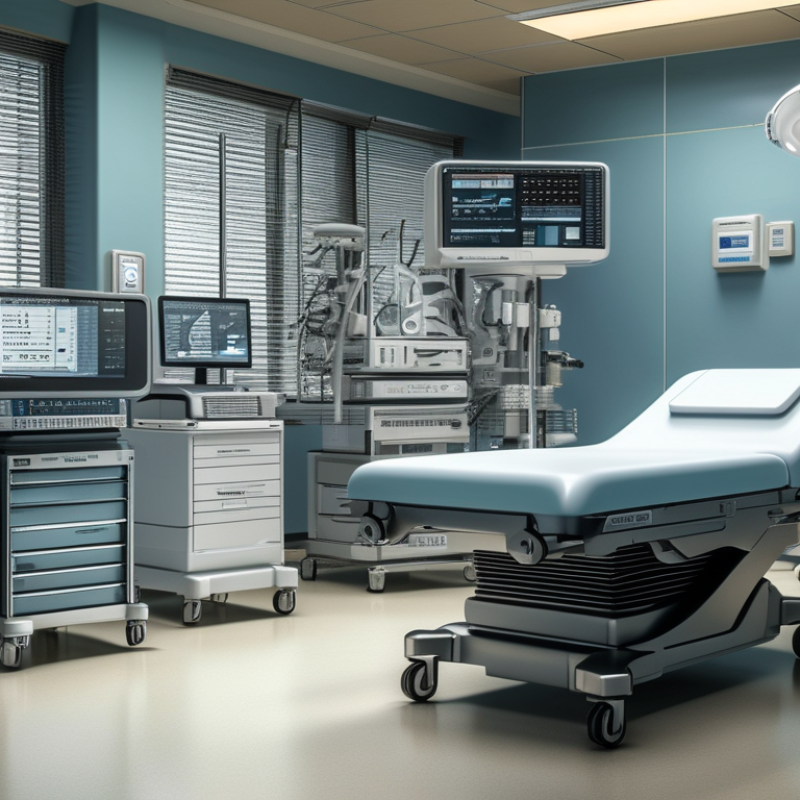
Medical equipment lifecycle management (MELM) is vital for healthcare facilities. It encompasses several phases, each requiring attention to detail. The lifecycle begins with planning and procurement. Research shows that 70% of healthcare organizations experience challenges in selecting the right equipment.
The next phase is implementation. This includes installation and training staff to use the equipment effectively. According to the Healthcare Information and Management Systems Society, improper training leads to a 30% increase in maintenance costs. Regular maintenance is critical during the operational phase. Neglecting this stage can lead to equipment failure and increased expenses. Studies indicate that organizations with structured maintenance programs reduce downtime by up to 25%.
At the end of life phase, decisions on disposal or replacement emerge. Over 35% of healthcare institutions have not established disposal protocols, raising environmental concerns. The transition from one equipment cycle to another must be managed wisely. Continuous evaluation of equipment usage and performance data is essential for cost-effective management.
In the healthcare sector, effective procurement of medical equipment is crucial. It not only ensures patient safety but also impacts operational efficiency. According to a report by the Healthcare Financial Management Association, hospitals can save up to 25% on equipment costs through strategic sourcing. This statistic emphasizes the importance of optimizing procurement processes.
One key strategy is to understand the total cost of ownership (TCO) for each piece of equipment. This goes beyond the initial purchase price. Ongoing maintenance, support, and training must also be factored in. For instance, failing to account for these additional costs can lead to budget overruns and unmet expectations.
Tips: Regularly re-evaluate supplier contracts and assess market trends. Align procurement plans with overall organizational goals. Additionally, involve medical staff in the selection process to ensure equipment meets practical needs.
Another aspect to consider is the lifecycle management of the equipment. The average medical device remains in use for about 10 years, but technology evolves rapidly. Organizations must reflect on whether older equipment can adapt to newer standards. Investing in the latest technology can drive better patient outcomes, but it requires careful financial planning.
In the rapidly evolving healthcare sector, maintaining medical devices is crucial. Regular servicing not only ensures patient safety but also extends the lifespan of equipment. According to a report by the FDA, nearly 30% of medical device failures result from inadequate maintenance. This highlights the importance of best practices in maintenance strategies.
Routine checks are essential. Schedule preventive maintenance every six months. This practice can reduce downtime significantly. A study shows that predictive maintenance can decrease equipment failures by up to 25%. It’s important to document all maintenance activities thoroughly. Inconsistencies can lead to miscommunication and potential risks. Regular training for maintenance staff also plays a critical role in effective servicing.
Despite best efforts, challenges persist. Many healthcare facilities struggle with budget constraints. This can lead to deferred maintenance, which ultimately increases costs in the long run. It’s vital to assess the condition of each device regularly and prioritize based on usage and risk factors. By fostering a culture of proactive management, facilities can enhance safety and compliance significantly.
Evaluating equipment performance effectively is crucial for optimizing medical equipment lifecycle management. Accurate data collection methods play a significant role in this process. According to a report by the Healthcare Technology Report, nearly 30% of hospitals face challenges tracking equipment usage and performance metrics. This lack of insight can lead to inefficient resource allocation and increased operational costs.
To address these issues, healthcare providers should implement standardized data collection procedures. Utilizing electronic health records (EHR) and integrated equipment management systems can enhance data accuracy. For example, a study published in the Journal of Healthcare Management found that facilities using digital tracking methods improved equipment utilization rates by 25%. Such data-driven approaches ensure that equipment performance is closely monitored.
However, it's essential to acknowledge the potential pitfalls in data collection. Inconsistent reporting and human error can skew results. A survey from the National Institute of Health indicated that up to 15% of healthcare workers admitted to inaccuracies in their data reporting. Recognizing these challenges is vital for developing strategies to minimize errors and enhance reliability in performance evaluations.
Effective planning for medical equipment replacement and disposal is essential. Research indicates that nearly 30% of medical equipment is underutilized, leading to wasted resources. Hospitals must regularly assess their assets to maintain optimal functionality. A strategic approach can mitigate risks and prolong the operational life of equipment.
When equipment reaches its end-of-life, disposal strategies become crucial. About 30% of healthcare waste is considered hazardous. This includes items that can pose environmental or safety risks. Facilities must ensure compliance with local regulations for safe disposal. Recycling and donation are options that many organizations overlook. Proper disposal enhances environmental sustainability and reduces landfill waste.
Planning for equipment replacement should involve a thorough evaluation. A useful tactic is lifecycle costing. This method considers the total cost of ownership, including maintenance, operation, and disposal. Investing in training for staff can also yield substantial benefits. Lack of proper training often leads to errors that can shorten equipment lifespan. A thoughtful lifecycle management plan is not just cost-effective; it also aligns with ethical practice in healthcare.
: Regular maintenance ensures patient safety and extends the lifespan of medical devices.
Preventive maintenance should be scheduled every six months to minimize downtime.
Predictive maintenance can decrease equipment failures by up to 25%.
Budget constraints often lead to deferred maintenance and higher long-term costs.
Nearly 30% of medical equipment is underutilized, indicating wasted resources.
Facilities must develop disposal strategies that comply with local regulations.
Recycling and donation are often overlooked but important for sustainability.
Lifecycle costing helps in understanding the total cost, improving decision-making on equipment purchases.
Proper training reduces errors, prolongs equipment lifespan, and enhances safety.
Inadequate maintenance can lead to equipment failures, affecting patient safety and care.
The "Medical Equipment Lifecycle Management Guide" provides a comprehensive overview of the essential phases involved in managing medical equipment effectively. It begins by elucidating the different stages of the equipment lifecycle, from procurement to disposal, emphasizing the importance of strategic planning in each phase. Key strategies for effective procurement are discussed, ensuring that healthcare facilities acquire the right equipment to meet their operational needs.
The guide also highlights best practices for maintaining and servicing medical devices, which are critical for ensuring optimal performance and longevity. Additionally, it addresses the importance of evaluating equipment performance through robust data collection methods. Finally, it concludes with insights on planning for equipment replacement and responsible disposal at the end of the lifecycle, reinforcing the need for a sustainable approach in medical equipment management.

Hanora Medical