China Top 10 Tips for Effective Medical Equipment Maintenance?

Time:2026-05-16 Author:Charlotte
0%

In the field of healthcare, maintaining medical equipment is critical. Dr. Emily Zhang, a leader in medical technology, emphasizes, “Effective maintenance can extend equipment lifespan and ensure patient safety.” Her insight sheds light on the importance of understanding how to maintain medical equipment effectively.

Medical equipment plays a vital role in patient care. Regular maintenance is not just about fixing issues; it is about preventing them. Equipment like MRI machines or infusion pumps requires detailed attention. Simple tasks like cleaning and calibrating can make a significant difference. Yet, many facilities overlook basic protocols, resulting in costly downtime.

Investing in training for staff members is essential. They need to know what to check and when. A routine schedule for inspections can help identify potential problems before they escalate. Regular assessments are beneficial but often neglected. A lack of awareness can lead to severe repercussions in patient care. By prioritizing effective maintenance, healthcare providers can enhance operational efficiency and boost trust in their services.
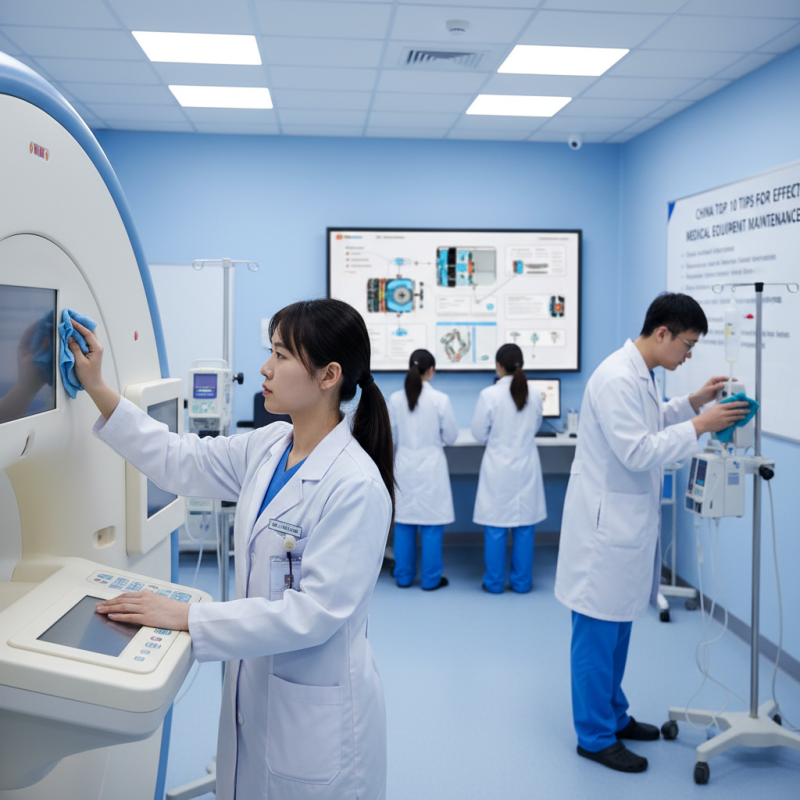
China Top 10 Tips for Effective Medical Equipment Maintenance?

Understanding the Importance of Medical Equipment Maintenance in China

Medical equipment maintenance is crucial in China’s healthcare sector. According to the China National Medical Products Administration, over 500,000 medical devices are in use across the country. Proper maintenance prolongs the life of these devices, ensuring high-quality patient care. Recent studies indicate that well-maintained equipment can reduce medical errors by up to 30%.

However, many facilities overlook routine checks due to budget constraints. This can lead to equipment failure during critical moments. For instance, malfunctioning imaging equipment can delay diagnoses, impacting patient outcomes. Effective maintenance protocols must be prioritized. Staff should be trained regularly on the latest maintenance practices. In China, only 30% of medical institutions regularly conduct equipment assessments. This statistic highlights the need for improvement.

Moreover, regulatory bodies emphasize the importance of compliance in maintenance processes. Hospitals that neglect proper documentation risk facing penalties. Building a culture that values equipment upkeep is essential. This requires leadership commitment and sufficient funding. Addressing these gaps is vital for enhancing healthcare delivery in China.

China Top 10 Tips for Effective Medical Equipment Maintenance

Tip Number Maintenance Tip Frequency Importance Level
1 Regular Calibration Monthly High
2 Visual Inspection Weekly Medium
3 Software Updates Quarterly High
4 Cleaning & Disinfection Daily Critical
5 Battery Check Bi-Weekly High
6 Documentation of Maintenance Ongoing Medium
7 Training Staff on Equipment Use Annually High
8 Replacement of Worn Parts As Needed Critical
9 Emergency Equipment Check Monthly High
10 Supplier Support for Complex Repairs As Needed Medium

Key Statistical Insights on Medical Equipment Lifespan and Reliability

Medical equipment plays a critical role in healthcare. However, understanding its lifespan and reliability is often underestimated. Research shows that the average lifespan of essential medical devices ranges from 5 to 15 years. This variation depends on factors such as usage intensity and maintenance practices.

Reliability statistics reveal that about 30% of medical equipment fails due to lack of proper maintenance. Regular checks can prevent sudden breakdowns and ensure equipment operates optimally. Regular maintenance prolongs lifespan and boosts patient safety. However, many facilities still neglect scheduled inspections, risking both equipment integrity and patient care.

Moreover, nearly 60% of healthcare professionals believe they are adequately trained in equipment maintenance. Yet, data suggests a gap in hands-on experience. Facilities should invest in proper training. Fostering a proactive maintenance culture is important. Beyond just fixing problems, it promotes awareness and responsibility.

Top Factors Influencing Effective Medical Equipment Maintenance Strategies

Effective medical equipment maintenance is essential for optimal healthcare delivery. Several factors significantly influence these strategies. One of the primary aspects is the training of maintenance staff. Skilled technicians who understand equipment functionality can identify potential issues early. Regular training sessions can keep them updated on the latest technologies and practices.

Another factor is the establishment of a preventive maintenance schedule. Relying solely on reactive maintenance may lead to equipment failure. This could compromise patient care and safety. A systematic approach helps in anticipating problems before they escalate. Tracking equipment usage and performance data provides valuable insights. This information can guide maintenance priorities and resource allocation.

It's also important to foster a culture of accountability. Staff must feel responsible for reporting malfunctions or irregularities. Engaging users in the process encourages better practices. However, organizations must also address the barriers to reporting. Fear of repercussions can stifle feedback. Open communication channels create a more effective maintenance environment. Overall, focusing on these elements can enhance the reliability of medical equipment and support better patient outcomes.

Best Practices for Routine Inspection and Calibration of Medical Devices

Ensuring the proper functioning of medical devices is vital for patient safety. Routine inspection and calibration are essential practices in medical equipment maintenance. Regular checks help identify issues before they escalate, reducing downtime. Equipment should be tested for accuracy and reliability. Calibration ensures that devices function according to specific standards required for accurate diagnoses and treatments.

During inspections, healthcare professionals should look for signs of wear or damage. Checking cables, connectors, and sensors is crucial. Any abnormalities might suggest underlying problems. Detailed logs of maintenance activities pave the way for effective management of medical devices. This creates a transparent history that helps in tracking equipment performance over time.

Sometimes, mistakes happen. Equipment might be overlooked during routine checks, leading to potential risks. Encourage staff to report any inconsistencies or malfunctions immediately. Cultivating a culture of open communication helps in enhancing equipment reliability. Continuous learning and adapting to new standards can improve maintenance practices significantly. This approach not only fosters accountability but also pushes for higher safety standards across the board.

Training and Certification Requirements for Healthcare Maintenance Personnel

Training and certification are crucial for healthcare maintenance personnel. These professionals ensure that medical equipment functions correctly and safely. A certified technician understands the complexities of various devices, from imaging machines to surgical instruments. This expertise is essential for minimizing errors and equipment failures.

To achieve certification, personnel must undergo rigorous training. This often includes hands-on experience under the guidance of seasoned professionals. They learn to troubleshoot common issues, perform routine maintenance, and adhere to safety protocols. However, not all training programs are created equal. Some may lack updated curriculum, leading to gaps in knowledge. Continuous education is vital to keep up with rapid advancements in medical technology.

Assessment of skills through certification exams can validate competence. But real-world experience is equally important. Technicians should reflect on their experiences, learning from mistakes. Regular workshops and seminars can provide valuable insights. Collaboration and communication among teams can also enhance skills. In an ever-evolving field, constant learning is non-negotiable.

FAQS

: What is the average lifespan of medical equipment?

: The lifespan typically ranges from 5 to 15 years, depending on usage and maintenance.

How does maintenance affect medical equipment reliability?

About 30% of equipment failures happen due to inadequate maintenance. Regular checks can prevent breakdowns.

Why do many healthcare facilities neglect maintenance inspections?

Some facilities underestimate the importance of inspections. This neglect can risk both equipment and patient care.

Are healthcare professionals adequately trained in equipment maintenance?

Nearly 60% believe they are trained, but there is often a gap in hands-on experience.

How can a preventive maintenance schedule benefit healthcare facilities?

It anticipates problems before they escalate, enhancing patient safety and equipment reliability.

What signs should be checked during equipment inspections?

Look for wear or damage on cables, connectors, and sensors; abnormalities can indicate deeper issues.

What should be done if equipment is overlooked during checks?

Encourage staff to report any inconsistencies immediately to improve equipment reliability.

How does open communication impact maintenance practices?

It cultivates accountability and encourages staff to report malfunctions without fear, enhancing care quality.

Why is continuous learning important for maintenance staff?

Staying updated on new technologies and practices can significantly improve equipment maintenance outcomes.

What role does accountability play in equipment maintenance?

A culture of accountability encourages staff to take responsibility for reporting issues and enhances performance.

Conclusion

Effective medical equipment maintenance is crucial in ensuring the reliability and longevity of medical devices in China. Understanding the importance of regular maintenance can significantly enhance equipment lifespan and operational efficiency. Key statistical insights indicate that well-maintained devices perform better, leading to improved patient outcomes and safety.

When considering how to maintain medical equipment effectively, several factors come into play, including the adoption of best practices for routine inspection and calibration. Healthcare facilities must also prioritize training and certification for maintenance personnel, ensuring they possess the necessary skills to perform their duties efficiently. By implementing these strategies, healthcare providers can uphold the quality and safety of medical services while maximizing the investment in medical equipment.

Charlotte

Charlotte

Charlotte is a seasoned marketing professional with a deep understanding of the company's portfolio and a passion for elevating its presence in the market. With a keen eye for detail and a commitment to excellence, she ensures that our professional blog is regularly updated with insightful articles......