In the ever-evolving field of medical technology, efficiency is paramount. The Hydrocolloid Dressing Machine plays a crucial role in wound care. This machine offers unique solutions for creating high-quality hydrocolloid dressings. Time-saving and consistent production are vital goals for medical facilities.
With the right technology, healthcare providers can enhance patient outcomes. However, not all machines are created equal. Some may struggle with precision or speed. Selecting the best Hydrocolloid Dressing Machine is essential. It can streamline operations and minimize waste, significantly impacting a facility's workflow.
Understanding current options in the market is vital for informed decisions. This article explores the top five machines. Each solution has its strengths and potential drawbacks. Taking time to reflect on each choice will ensure improved efficiency in producing hydrocolloid dressings.
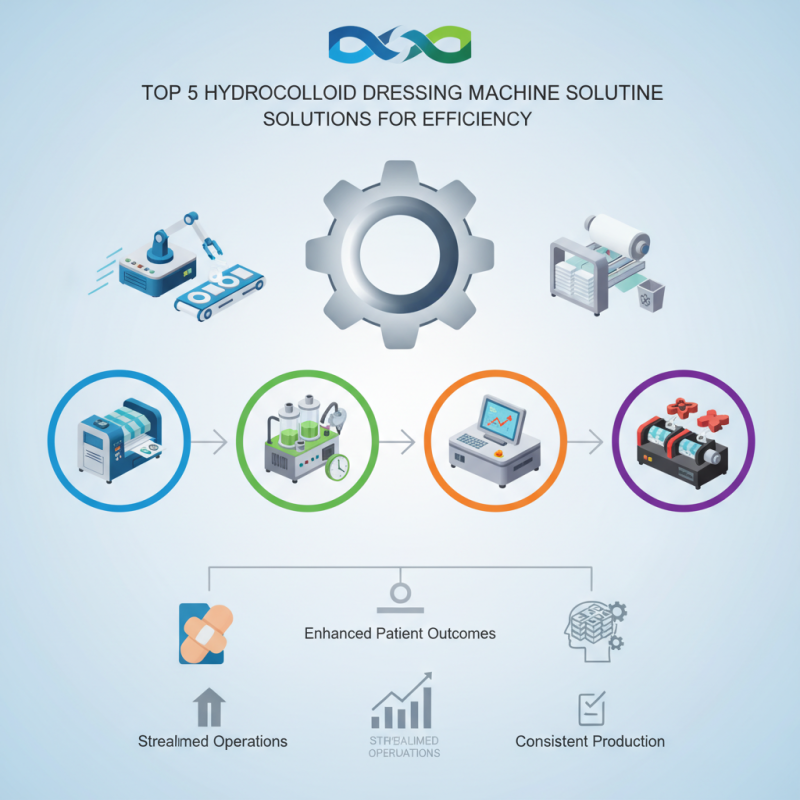
Hydrocolloid dressings are innovative wound care solutions. They consist of a gel-forming agent, which absorbs moisture. This unique property makes them suitable for various applications, including chronic wounds, surgical sites, and burns. Hydrocolloid dressings provide a moist healing environment. This enhances the body's natural healing processes.
The use of hydrocolloid dressings is growing due to their versatility and effectiveness. They can be used on dry, moist, or weeping wounds. However, some users find them challenging to remove. Improper techniques can lead to discomfort or skin irritation. It's important to educate caregivers on the best practices for application and removal.
While these dressings are beneficial, they are not without limitations. For instance, they may not adhere well to hairy areas. In addition, moisture levels need to be monitored. Excess moisture can lead to maceration. Awareness of these factors can improve the overall efficacy of hydrocolloid dressings. Better training may help users navigate these challenges effectively.
| Machine Model | Max Output (units/hour) | Dressing Size Range (cm) | Features | Estimated Cost (USD) |
|---|---|---|---|---|
| Hydrocolloid Model A | 1200 | 5 - 15 | Automatic cutting, temperature control | $50,000 |
| Hydrocolloid Model B | 1500 | 3 - 10 | User-friendly interface, high precision | $60,000 |
| Hydrocolloid Model C | 1000 | 4 - 12 | Environmentally friendly materials | $55,000 |
| Hydrocolloid Model D | 1300 | 6 - 14 | Seamless integration with packaging line | $70,000 |
| Hydrocolloid Model E | 1100 | 5 - 20 | Compact design, easy maintenance | $52,000 |
When selecting hydrocolloid dressing machines, several key features can enhance efficiency. First, consider the machine's speed. A faster machine can significantly reduce production time. Look for models that offer adjustable speeds to suit various production needs. Also, efficiency in changing components is crucial. Machines that allow quick changes can minimize downtime and keep the workflow smooth.
Another important feature is user-friendliness. An intuitive interface is critical for training and operation. Machines with touchscreens or easy-to-navigate controls improve staff efficiency. Furthermore, regular training on equipment is necessary. Despite simple controls, mistakes can occur. Providing ongoing training can help prevent costly errors.
Durability and maintenance requirements are also vital. Investing in machines that require less frequent maintenance can save time and money. However, some models might show wear and tear sooner. Pay attention to material quality when assessing these machines.
Tips: Regularly inspect for any unusual noises. Routine checks can catch problems early. In the long run, this can prevent larger issues. Always have a backup plan and maintain a spare parts inventory. This ensures swift repairs when needed, enhancing overall efficiency.
Hydrocolloid dressings are vital in the medical field. They help maintain a moist environment for wound healing. However, the machines that produce these dressings need to be efficient. This is crucial for meeting increasing demand.
The top hydrocolloid dressing machines streamline production in various ways. Some machines offer automated functions. This reduces labor costs and improves consistency. Other models focus on speed. They can handle high volumes of production without sacrificing quality. It’s impressive but can lead to challenges in quality control. You need to watch closely for defects.
Not all machines are perfect. Some lack user-friendly interfaces, making operation difficult. Maintenance can also pose issues. Regular checks are essential to avoid downtime. Understanding these flaws helps in choosing the right machine. Balancing efficiency and quality remains a challenge. The goal is to improve production while ensuring safety and effectiveness in the healthcare system.
When choosing a hydrocolloid dressing machine, efficiency is a key factor. Many brands focus on speed and accuracy. However, not all machines perform evenly. Some might excel in production volume but lack precision. Others may offer quality but be slower than expected. It's vital to assess both aspects critically.
In tests, machines varied widely in cycle time and product consistency. Some machines produced more waste, increasing costs. It's also worth noting that user interfaces differ. A complex setup can lead to errors. Operators need training and time to adapt. This discrepancy can affect overall productivity.
Moreover, maintenance requirements can differ significantly. Some machines can break down frequently, requiring constant attention. Others run smoothly but may need expensive parts. Understanding long-term costs is essential. Efficiency isn't just about output; it includes longevity and reliability. Users must weigh these factors carefully.
The hydrocolloid dressing market is evolving rapidly. It focuses on improving wound management and patient comfort. According to a recent report, the global hydrocolloid dressing market is expected to reach USD 2.5 billion by 2025. This growth is driven by innovations in technology and materials.
One notable trend involves the integration of smart technology into hydrocolloid dressings. Innovations like color-changing materials indicate infection. They also improve adherence and moisture retention, which enhances healing. However, the adoption of such technologies poses challenges. Cost and accessibility remain significant barriers, particularly in developing regions.
Another area of development is focused on sustainable materials. Green alternatives can reduce environmental impact while maintaining effective wound care. However, transitioning to these materials requires in-depth research. This includes figuring out their long-term performance and compatibility with existing manufacturing processes. While the future seems promising, the industry must critically evaluate these innovations. Sustainability and efficacy must balance for lasting success.
This chart illustrates the efficiency metrics of the top 5 hydrocolloid dressing machine solutions, covering automation level, production speed, material efficiency, user-friendly design, and cost effectiveness. The data reflects trends towards greater automation and efficiency in hydrocolloid dressing technology.
: Hydrocolloid dressings are wound care solutions that absorb moisture and provide a moist healing environment.
They can be used on chronic wounds, surgical sites, and burns, among other types.
Some users find hydrocolloid dressings difficult to remove, leading to discomfort and skin irritation.
Training should focus on best practices for applying and removing these dressings to avoid issues.
They may not adhere well to hairy areas, and excess moisture can cause maceration.
Look for speed, ease of component changes, user-friendliness, and durability in machines.
Even with simple controls, mistakes can happen. Regular training helps prevent costly errors.
Regular inspections and having a spare parts inventory can help catch issues early and reduce downtime.
They may lead to challenges in quality control where defects need close monitoring.
Understanding the flaws in machines and ensuring safety in production is crucial for healthcare effectiveness.
Hydrocolloid dressing machines play a crucial role in the production of advanced wound care solutions. This article delves into the fundamentals of hydrocolloid dressings, highlighting their applications in various clinical settings. It emphasizes the key features that manufacturers should consider when selecting hydrocolloid dressing machines, such as automation, efficiency, and ease of maintenance.
Furthermore, the article presents a comparison of the top five hydrocolloid dressing machines, analyzing their performance and production efficiency. It provides insights into future trends and innovations in hydrocolloid dressing technology, showcasing how advancements in machine design and functionality can enhance manufacturing processes. Overall, adopting the right hydrocolloid dressing machine can significantly boost production efficiency and improve patient outcomes in wound care.

Hanora Medical