Top Smart Manufacturing Systems How To Implement Them?

Time:2026-10-14 Author:Madeline
0%

How To Implement Smart Manufacturing Systems is no longer a question reserved for technology leaders. It is a practical decision about machines, people, data, and daily production discipline. Deloitte’s 2023 Global Smart Manufacturing Survey found that 86% of manufacturing executives expect smart manufacturing to become a major competitiveness driver within five years. The report also identified cybersecurity, workforce capability, and weak data foundations as persistent barriers. The factory floor still matters.

A credible implementation begins with one measurable problem. Choose a production line with visible downtime, repeated defects, or excessive energy use. Connect approved equipment, standardize data, and test a limited use case before expanding. The World Economic Forum’s Global Lighthouse Network reports that leading factories often combine automation with workforce training, rather than replacing human judgment. Dr. Enno de Boer, a McKinsey senior partner specializing in digital manufacturing, has emphasized, “The biggest challenge is not technology; it is changing the way people work.” That warning deserves attention.

Implementation should therefore include operators from the first workshop. Their practical experience can expose sensor blind spots, unsafe assumptions, and unrealistic dashboards. Define ownership for data quality, system maintenance, and improvement decisions. Measure results through cycle time, first-pass yield, unplanned downtime, and energy intensity. Keep the pilot small.

Perfection is unlikely.

A disconnected legacy machine may resist integration. A promising algorithm may fail during a shift change. These are not reasons to abandon the program, but they require honest review. NIST’s Smart Manufacturing Systems framework supports a standards-based approach, helping organizations improve interoperability, security, and repeatability. The strongest roadmap is not the most complicated one. It is the one that workers can use, managers can verify, and the business can sustain.
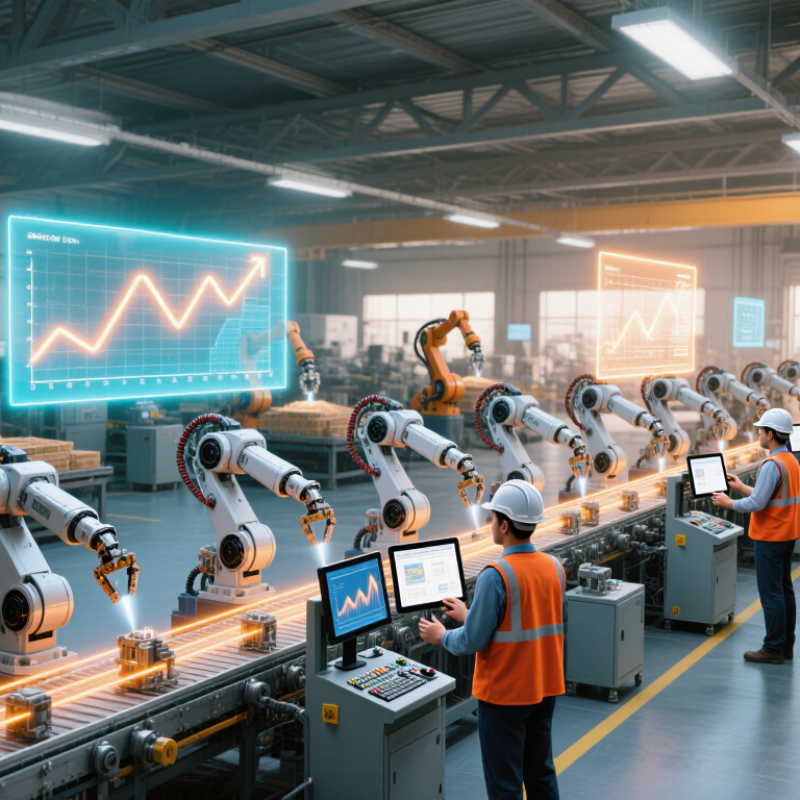
Top Smart Manufacturing Systems How To Implement Them?

Define the Smart Factory: Deloitte 2023 Says 86% See It as a Key Driver

A 2023 industry survey found that 86% of manufacturing leaders view smart factories as a key growth driver. That figure matters because it reflects operating pressure, not just technology enthusiasm. Factories face tighter margins, aging equipment, skilled labor gaps, and rising customer demands. A smart manufacturing system connects machines, sensors, production software, and people through shared operational data. The goal is practical: detect problems earlier, reduce waste, and improve decisions on the plant floor.

Implementation should begin with one measurable production problem. For example, a team might track repeated motor failures on a packaging line. Install non-invasive sensors, define data ownership, and compare downtime before and after deployment. Keep operators involved. Their experience often reveals causes that dashboards miss. Use secure access controls, equipment inventories, and tested backup procedures from the start. Poor data quality can make an advanced system confidently produce poor recommendations.

After a pilot proves value, connect additional lines through common data standards and clear maintenance workflows. Train technicians to interpret alerts, question unusual readings, and record corrective actions. Independent audits can test cybersecurity, measurement accuracy, and compliance with internal procedures. Do not automate every decision. Some failures need human judgment, especially when safety, quality, or unusual materials are involved. The 86% finding signals strong confidence, but confidence is not implementation discipline. Real progress appears when a night-shift technician can act on reliable information before a small fault becomes a costly stoppage.

Map the System Stack: ERP, MES, SCADA, IIoT, APS, and Digital Twins

A smart manufacturing system starts with a clear map, not a fashionable dashboard. ERP should manage orders, materials, finance, and production costs. MES should translate those plans into work instructions, schedules, and traceability. SCADA should monitor machines at the control layer. Each system needs a defined owner and data boundary.

The IIoT layer connects sensors, controllers, and equipment across the plant. It should capture temperature, vibration, energy use, downtime, and quality signals. APS can then balance demand, capacity, labor, and material constraints. Digital twins add simulation before physical changes reach the line. The connection must be practical. Otherwise, data becomes expensive noise.

Deloitte’s 2023 Global Smart Manufacturing Survey found that 86% of manufacturing executives expect smart manufacturing to drive competitiveness within five years. That expectation is ambitious. The World Economic Forum’s Global Lighthouse Network reports show that leading factories often combine connected operations with measurable productivity and sustainability gains. Still, implementation rarely follows a perfect diagram. Legacy machines may lack usable interfaces. Sensor readings may contradict operator experience. Cybersecurity controls can also slow integration. Pilot one production cell, validate data with technicians, and expand only after results remain stable. A small failure is cheaper than a plant-wide assumption.

Baseline OEE and Data Quality: World-Class Plants Target 85% OEE

Top Smart Manufacturing Systems: How To Implement Them?

World-class plants often target 85% OEE, but the number is not a starting point. OEE combines availability, performance, and quality. Measure each component separately. A machine may show 82% OEE while hiding frequent five-minute stops. Those losses quietly damage capacity.

Begin with one production line and one trusted shift record. Capture machine states, cycle counts, scrap reasons, and changeover minutes. ISO 22400 provides a useful framework for manufacturing performance indicators. Data must also carry timestamps, equipment IDs, and clear definitions. Without them, dashboards create confident mistakes.

Our first baseline may be wrong. That is useful. Compare operator logs with sensor records for two weeks, then investigate every gap.

A 2023 global smart manufacturing survey reported that 92% of respondents viewed smart operations as a major competitiveness driver within three years. The pressure is real, but technology alone cannot repair poor measurements.

Tips:

Freeze the OEE formula before buying software. Audit ten random downtime events each day. Keep “unknown stop” below 2% of recorded downtime. Review losses beside the machine, not only in a meeting room. Use a small visual board showing target, actual, and the largest loss. Correct data ownership matters. An operator should not guess whether a stop means material shortage or equipment failure. Supervisors need consistent codes, while engineers validate the logic weekly. The 85% target should guide learning, not reward inflated reporting.

Pilot MES and IIoT: Deloitte Reports 10–20% Potential Output Gains

Implementing smart manufacturing systems should begin with a controlled pilot, not a factory-wide replacement. A Manufacturing Execution System can connect work orders, quality checks, and machine status. Industrial Internet of Things sensors add live data from presses, conveyors, and energy meters. Industry reports indicate potential output gains of 10–20% when these tools address real production constraints. The result depends on process discipline.

Choose one production cell with visible delays. Record baseline output, downtime, scrap, and changeover minutes for four weeks. Then connect selected sensors and link their data to the MES. Operators should see simple alerts on a shared screen. A late material signal is more useful than a colorful dashboard.

Keep people involved. Experienced technicians often identify failures that sensors miss. They can explain unusual vibration, temporary fixes, or unsafe shortcuts. These details improve the pilot’s reliability. Data access also needs clear permissions, secure networks, and regular backups. Small errors can spread quickly.

Do not promise a 20% gain. That would be careless. A pilot may reveal poor maintenance, inaccurate inventory records, or inconsistent shift practices instead. Those findings still have value. Review results weekly with operators, engineers, and managers. Compare measured performance against the baseline, then adjust the system before expanding it to another line.

Scale Securely with ISA-95 and NIST Across IT, OT, and Cloud Systems

Top Smart Manufacturing Systems: How to Implement Them?

Scaling smart manufacturing requires more than connecting machines to a cloud dashboard. ISA-95 provides a practical structure for separating enterprise, manufacturing operations, control, and field systems. This helps teams define data ownership and reduce unsafe system overlap. Map each asset, signal, and workflow before selecting technology. The first map will be imperfect. That is acceptable.

Use NIST guidance to strengthen identity, network segmentation, monitoring, and recovery across IT, OT, and cloud environments. Keep control functions close to the equipment when timing and safety matter. Send approved production data upward through protected gateways. Avoid exposing controllers directly to external networks. Use unique accounts, strong authentication, encrypted connections, and carefully limited permissions. Test backups with real restoration exercises, not hopeful assumptions.

A useful pilot might track machine availability, energy use, and maintenance alerts on one production line. Define measurable targets, such as fewer unplanned stoppages or faster fault response. Operators should review alerts beside engineers because context often prevents false decisions. Log every configuration change and investigate unusual access quickly. Patch management can be difficult in older equipment. Document exceptions instead of hiding them. Review the architecture quarterly as processes, vendors, and threats change. Secure scale comes from disciplined boundaries, verified data, and people who can challenge the system when it behaves unexpectedly.

Top Smart Manufacturing Systems: How to Implement Them?

Scale securely with ISA-95 and NIST across IT, OT, and cloud systems

This reference roadmap maps the five ISA-95 enterprise-control levels to the six NIST Cybersecurity Framework 2.0 functions: Govern, Identify, Protect, Detect, Respond, and Recover. The values represent the number of NIST functions that should be explicitly addressed as integration expands from physical processes to enterprise and cloud systems.

FAQS

What does an 85% OEE target actually mean?

It represents strong availability, performance, and quality. It is a learning target, not a starting score. Do not inflate it.

How should a factory create its first OEE baseline?

Start with one production line and one trusted shift record. Track machine states, cycle counts, scrap reasons, and changeover minutes. The first baseline may be wrong.

What data details are necessary for reliable manufacturing reports?

Each record needs a timestamp, equipment ID, clear definitions, and an assigned owner. Without these details, dashboards may create confident mistakes.

How can teams find hidden downtime losses?

Compare operator logs with sensor records for two weeks. Investigate every mismatch, including repeated five-minute stops. Small delays quietly reduce capacity.

How can operators improve downtime reporting?

Use consistent codes for material shortages, equipment faults, and changeovers. Operators should not guess the meaning of a stop.

What should a practical visual production board display?

Show the target, actual result, and largest current loss. Place it near the machine, not only inside a meeting room.

How should a factory pilot smart manufacturing systems?

Select one production cell with visible delays. Measure output, downtime, scrap, and changeovers for four weeks before adding sensors.

What value can connected sensors and production software provide?

Sensors can report machine status, vibration, and energy use. Production software can connect work orders, quality checks, and machine data. Simple alerts matter more.

Should a factory promise a 20% output improvement?

No. Reported gains may reach 10–20%, but results depend on process discipline and real constraints. A pilot may reveal maintenance or inventory problems instead.

Why must technicians and operators participate in the pilot?

Experienced workers notice temporary repairs, unusual vibration, and unsafe shortcuts. Sensors may miss these details. Their knowledge can expose gaps in the system.

Conclusion

How To Implement Smart Manufacturing Systems begins with a clear definition of the smart factory: a connected, data-driven environment where people, machines, and software work together to improve performance, flexibility, and decision-making. Start by mapping the system stack, including enterprise planning, manufacturing execution, supervisory control, industrial IoT, advanced planning, and digital twin capabilities. This overview helps identify information gaps, duplicated functions, and opportunities for better integration.

Next, establish a reliable baseline by measuring overall equipment effectiveness, production losses, downtime, and data quality. Use this baseline to select a focused pilot, such as integrating a manufacturing execution platform with industrial sensors, and evaluate improvements in output, quality, and response time. After validating results, scale the solution gradually across sites and processes. Apply consistent architecture and cybersecurity practices across information technology, operational technology, and cloud environments, with clear access controls, governance, staff training, and ongoing performance reviews.

Madeline

Madeline

Madeline is a dedicated marketing professional with a wealth of expertise in our company's core offerings. With a keen understanding of the industry, she brings a unique perspective to her role, consistently delivering high-quality content that highlights the superior aspects of our products. As......