How to Set Up a Medical Production Line in 2026?

Time:2026-05-05 Author:Sienna
0%

In an era where health technology is rapidly evolving, the setup of a medical production line is crucial. According to recent industry reports, the global medical device market is projected to reach over $600 billion by 2026. This surge emphasizes the importance of efficient production processes. To thrive, manufacturers must consider numerous factors in their Medical Production Line Setup Guide.

Establishing a medical production line involves not only strategic planning but also adherence to strict regulations. Quality assurance is paramount. A report from the FDA highlights that nearly 37% of production line errors are due to inadequate quality controls. Companies must prioritize robust training and development to mitigate risks.

Furthermore, the integration of advanced technologies can enhance productivity. Automation and data analytics are vital components for success. However, many manufacturers find it challenging to implement these technologies effectively. Reflecting on these hurdles can lead to more tailored solutions in production line design. Achieving a balance between efficiency and compliance remains a key focus for industry leaders.
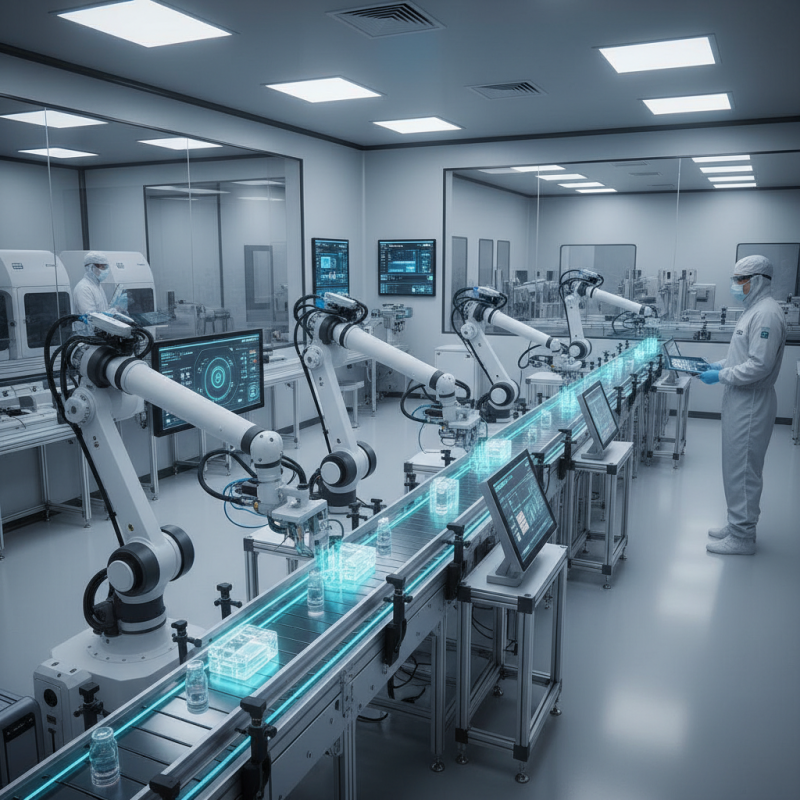
How to Set Up a Medical Production Line in 2026?

Identifying Regulatory Standards for Medical Production in 2026

Setting up a medical production line in 2026 requires a thorough understanding of regulatory standards. These standards govern everything from the materials used to the processes involved. Compliance ensures safety and efficacy, which is critical in the healthcare industry. Regulatory bodies will continue to evolve their guidelines, so staying informed is essential.

Tips: Regularly consult with experts. They can provide insights on upcoming changes in regulations. Attend industry conferences to network with professionals and gather knowledge. Building relationships with regulatory agencies will also aid in understanding expectations and timelines.

In 2026, manufacturers must prioritize quality management systems. These systems ensure product consistency and safety. Non-compliance can lead to severe consequences. Neglecting documentation and record-keeping can result in hefty fines and damage to reputation. Look for gaps in your processes. Audit regularly to identify potential issues before they escalate. Consider feedback loops from production employees; they often spot problems early.

Evaluating Technological Innovations in Medical Manufacturing Processes

Setting up a medical production line in 2026 requires a keen understanding of technological innovations in manufacturing. This landscape is rapidly evolving. Automation, AI, and data analytics are becoming central to production processes. They enhance efficiency and precision, which are critical in healthcare. For instance, robotic systems can handle delicate components with great accuracy. This minimizes human error and maximizes safety.

Investing in smart technology must be a priority. Sensors and IoT devices monitor equipment performance in real-time. They provide valuable data for improving processes. However, not all innovations are perfect. Integration challenges may arise. Workers may need retraining to adapt to new tools. A careful evaluation of technology is essential. Making informed decisions can lead to better outcomes.

As companies innovate, they also face ethical dilemmas. Balancing technology with patient safety is crucial. Advances should not compromise quality. Each innovation must be critically assessed for real-world applicability. While technology can speed up production, understanding its impact on human health is vital. Thoughtful implementation will guide future medical manufacturing practices.

Designing a Scalable Production Flow for Medical Devices

Designing a scalable production flow for medical devices requires careful planning and consideration. Start by analyzing the types of devices you will produce. This analysis shapes your workflow from the get-go. You might focus on high-demand items or niche products. Understanding the market demand is key.

Next, visualize the entire production process. Create flowcharts to map out each step, from material procurement to final assembly. Each step should be efficient yet flexible. For instance, consider how to incorporate automated solutions without sacrificing quality. Evaluate your equipment and workspace layout. An intuitive design minimizes bottlenecks and enhances productivity.

Lastly, remain adaptable. The medical industry is constantly evolving. A production line set today may need adjustments tomorrow. Regular feedback and performance assessments are vital. They guide you in identifying areas for improvement. Flexibility is your ally in navigating this complex landscape. Always be ready to innovate and refine.

Medical Device Production Line Efficiency (2026)

Implementing Quality Control Procedures in Medical Production Lines

Quality control is crucial in medical production lines. In 2026, it is expected that up to 90% of medical device recalls will result from quality issues. Implementing stringent quality control procedures can mitigate these risks. Regular inspections and testing protocols are essential. They help identify defects before products reach the market.

Data from the Medical Device Innovation Consortium highlights that quality control measures can reduce production costs by 25%. Furthermore, companies that adopt quality management systems see a 30% increase in customer satisfaction. These systems should include procedures like Statistical Process Control (SPC) and failure mode effects analysis (FMEA). Such methods enhance reliability and safety in medical products.

However, there are challenges. Many companies struggle with staff training for quality compliance. An estimated 40% of personnel working in the medical production sector lack adequate training. This gap can lead to errors and oversights. Reflecting on these issues is vital for long-term success. Developing a culture of quality starts with effective training programs. Professional development is not just an option; it is essential for seamless operations.

Assessing Workforce Skills and Training Needs for 2026 Medical Facilities

In preparing for a medical production line in 2026, evaluating workforce skills is crucial. Understanding current employees' capabilities is key. Many staff may require training to adapt to new technologies. A flexible training approach will cultivate essential skills needed for evolving medical facilities.

Tips: Identify skill gaps through assessments. Focus on technology use and process optimization. Encourage feedback during training sessions.

Investing in ongoing education promotes a culture of growth. Specialized workshops can enhance team proficiency. However, realize that some employees may resist change or struggle with new learning methods. It’s important to support them through this process.

Tips: Use mentoring programs to ease transitions. Create an open dialogue about challenges. Celebrate small wins to boost morale.

Understanding the future landscape of medical production is vital for success. Building a knowledgeable workforce creates an adaptive environment. Companies can face barriers, but with thoughtful skill assessment and training, they can thrive in 2026 and beyond.

How to Set Up a Medical Production Line in 2026? - Assessing Workforce Skills and Training Needs for 2026 Medical Facilities

Skill Category Current Workforce Level Required Workforce Level in 2026 Training Needs Estimated Training Hours
Quality Control Intermediate Advanced Six Sigma Training 40
Automation Technology Basic Proficient Robotics and Automation Courses 60
Regulatory Compliance Intermediate Expert Compliance Certification 30
Lean Manufacturing Basic Advanced Lean Principles Workshop 50
Data Analysis Intermediate Advanced Data Analytics Training 40

FAQS

: What is essential for setting up a medical production line in 2026?

: A thorough understanding of regulatory standards is essential. Compliance ensures safety and efficacy in healthcare.

How can manufacturers stay informed about changing regulatory standards?

Regularly consult with experts and attend industry conferences to gather knowledge.

Why is a quality management system important in medical production?

It ensures product consistency and safety. Non-compliance can lead to severe consequences.

What might happen if documentation is neglected?

Neglect can result in hefty fines and damage to the company’s reputation.

How can companies identify potential issues in their processes?

Conduct regular audits and create feedback loops from production employees to spot problems early.

Why is assessing workforce skills necessary for medical facilities?

Understanding current capabilities helps identify training needs for adapting to new technologies.

What can support employees who struggle with new learning methods?

Mentoring programs and open dialogue can help ease transitions and build confidence.

How can ongoing education benefit a medical production team?

It fosters a culture of growth and enhances team proficiency through specialized workshops.

What should companies recognize about employee resistance to change?

Some employees may resist or struggle. It’s important to support them through challenges.

Why is celebrating small wins important during training?

Celebrating successes boosts morale and encourages employees to engage with the training process.

Conclusion

The "Medical Production Line Setup Guide" outlines critical steps for establishing a medical production line in 2026. It begins with identifying and adhering to regulatory standards that ensure compliance and safety in medical manufacturing. Following this, the guide emphasizes the importance of evaluating technological innovations that can enhance production efficiency and accuracy in the creation of medical devices.

Moreover, designing a scalable production flow is essential for adapting to varying demands while maintaining high quality. Implementing stringent quality control procedures is also highlighted to ensure that products meet the required health standards. Lastly, assessing workforce skills and determining training needs are crucial for preparing personnel to meet the evolving challenges of medical facilities in 2026. This comprehensive approach will help organizations effectively navigate the complexities of medical production.

Sienna

Sienna

Sienna is a skilled marketing professional with a deep expertise in our company’s core products and services. With a passion for innovation and detail, she plays a pivotal role in crafting insightful blog posts that not only highlight the unique features of our offerings but also provide valuable......