Selecting the right medical production equipment is crucial for any healthcare facility. According to Dr. Emily Carter, a leading expert in the field, "Understanding your specific needs can greatly enhance operational efficiency." Her insights underline the importance of precision in choosing equipment.
When contemplating how to select medical production equipment, considerations extend beyond mere budget constraints. Facilities must assess workflow, staff training, and compliance with regulations. Equipment that aligns with these factors will improve both productivity and safety.
Moreover, the choice of equipment can be overwhelming. Many products promise high performance, yet not all meet the unique demands of medical environments. Reflecting on past experiences can guide decision-making, but it's essential to remain adaptable. Embracing feedback from users often reveals unforeseen challenges and opportunities for improvement.
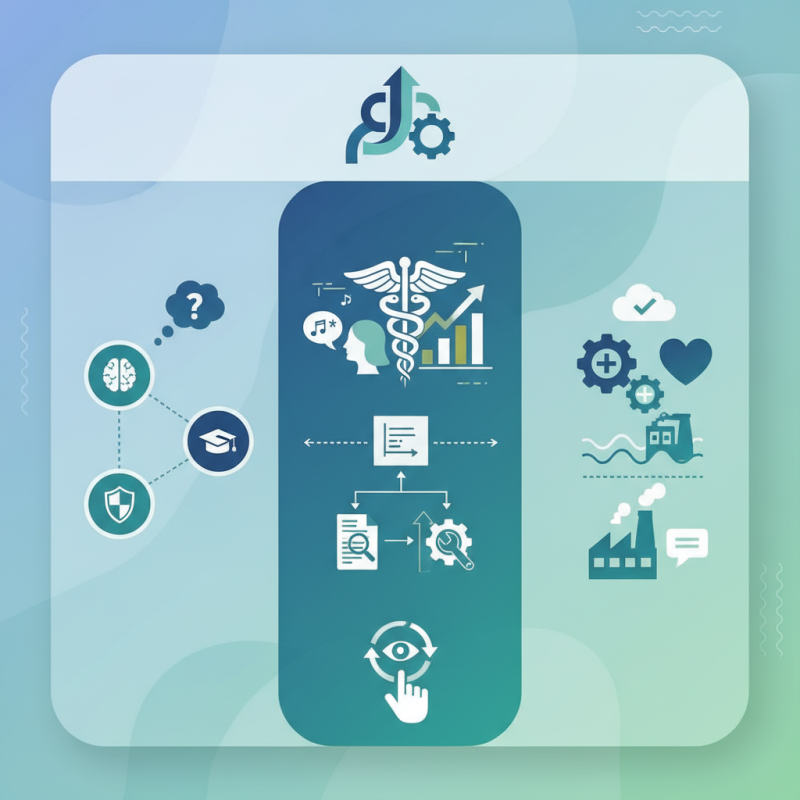
When selecting medical production equipment, understanding your specific requirements is crucial. Each facility has unique needs based on the types of medical products being manufactured. Do you need something that offers high precision? Or perhaps equipment that can accommodate larger production volumes? These decisions influence your workflow and operational efficiency.
One must consider factors such as scalability and adaptability. Is the equipment capable of evolving with your production needs? The medical field is constantly changing, and being prepared for future demands is vital. A failure to account for this can lead to inefficiencies and wasted resources. It’s beneficial to assess existing equipment against your anticipated needs. This evaluation often reveals gaps that require immediate attention.
Moreover, don’t overlook the importance of user training and support. Equipment that is difficult to operate can hinder productivity. Invest in staff training to maximize equipment potential. Remember, even the best equipment is only as good as the people using it. Reflect on past choices to improve future decisions. Be open to revisiting your selection process as technology advances and regulations evolve.
Selecting medical production equipment involves a critical assessment of compatibility with industry standards. The medical equipment sector is strictly regulated. Compliance ensures patient safety and high-quality standards. According to a report by the International Organization for Standardization (ISO), over 70% of medical devices must meet specific safety and performance criteria.
Assessment begins with understanding relevant regulations. Manufacturers should consider ISO 13485, which focuses on quality management systems. Additionally, adherence to ISO 14971 is crucial for risk management. These standards help identify potential hazards and mitigate risks associated with medical devices. However, many organizations still struggle with these compliance requirements. Inconsistent understanding of standards can lead to non-compliance and costly recalls.
Collaboration with industry experts and consultants can improve compliance efforts. Engaging professionals with extensive experience can provide crucial insights. Many companies overlook the value of frequency in maintenance and upgrades. Regular evaluations ensure that the equipment stays aligned with evolving regulatory standards. In the rapidly changing landscape of medical technology, frequent updates and adherence to best practices are essential for long-term success.
This chart illustrates the compatibility assessment scores for different dimensions of medical production equipment. Each bar represents the score out of 100, indicating how well each aspect meets industry standards.
Selecting the right medical production equipment is critical for efficiency and safety in healthcare environments. Evaluating equipment features and specifications can significantly impact patient outcomes. A recent industry report noted that 70% of hospitals experienced challenges when integrating new technologies, underscoring the need for thorough assessments.
When examining equipment, focus on key specifications. Understand the equipment's capacity, accuracy, and reliability. For instance, devices with higher precision rates can reduce errors. According to the FDA, equipment failures account for 33% of patient safety incidents. Hence, the dependability of the machinery is paramount.
Additionally, consider user feedback in the selection process. Engaging with frontline healthcare providers often uncovers insights about usability and maintenance. Data from the Healthcare Technology Report revealed that user-friendly interfaces can enhance workflow efficiency by 25%. However, many providers overlook this aspect. Balancing advanced functionality with practical usability is essential for successful implementation.
When selecting medical production equipment,
budget and
cost-effectiveness are crucial. The healthcare industry often faces tight budgets.
A report by the International Journal of Health Sciences indicates that nearly
60% of healthcare providers cite budget constraints as a major challenge
in acquiring new technology. Understanding the total cost of ownership
is essential for any organization. This includes not just the initial purchase price,
but also maintenance and operational costs over time.
Tips: Analyze long-term expenses
before making a decision.
Energy costs can significantly impact budgets. A recent study found that energy-efficient
medical equipment can reduce operational costs by up to 30%.
It's important to evaluate options not just on price, but on the potential return on investment.
Be mindful of equipment that may require frequent repairs or updates, leading to unforeseen expenses.
Tips: Consider equipment longevity and reliability.
In an era of advancing technology, new devices emerge regularly. However, not all innovations are
cost-effective. Research to understand how new equipment fits into existing workflows.
Gathering insights from peers or industry surveys can inform your choices.
A well-informed decision can prevent future budgetary pitfalls.
Tips: Consult industry reports for data-driven insights.
When selecting medical production equipment, the reputation of suppliers plays a crucial role. According to a recent industry report by MarketsandMarkets, approximately 70% of medical professionals prioritize supplier reputation when making purchasing decisions. This statistic underscores the importance of trust and reliability in this sector. Analyzing online reviews and customer feedback can provide valuable insights.
Support services are equally vital. Research indicates that 68% of healthcare organizations consider a supplier's support capabilities when selecting equipment. Effective support can significantly reduce downtime and improve operational efficiency. Regular training and on-site assistance from suppliers can enhance the overall effectiveness of equipment.
While many suppliers claim to offer great support, not all live up to these promises. A disturbing number of medical facilities report inadequate training or delayed responses from suppliers. This gap can hinder effective equipment use. It is essential to ask detailed questions during the supplier evaluation process. Buyers should seek evidence of consistent quality in both products and services to ensure they make informed decisions.
: Each facility has unique needs. Your choice affects workflow and efficiency.
Scalability and adaptability are important. Equipment must evolve with your production needs.
Budget limitations are common. Nearly 60% of providers face challenges acquiring new technology.
It includes initial prices, maintenance, and operational costs. Consider all expenses over time.
Energy-efficient equipment can cut expenses by up to 30%. Evaluate options for long-term savings.
Difficult-to-operate machines hinder productivity. Training maximizes potential and effectiveness.
Reliable equipment minimizes unexpected repairs. Consider lifespan to avoid future expenses.
They provide data-driven insights. Research prevents potential budget pitfalls.
Analyze previous decisions to improve future outcomes. Evolving technology requires reevaluation.
Innovations may not always be cost-effective. Ensure new tools fit within existing workflows.
When considering "How to Select Medical Production Equipment" for your specific needs, it is essential to start by understanding your medical production requirements thoroughly. This involves evaluating the specific processes, output levels, and potential regulatory considerations associated with your operations. Assessing the compatibility of equipment with industry standards is crucial to ensure compliance and reliability.
Moreover, evaluating equipment features and specifications, such as technology integration and functionality, will help you determine the best fit for your production needs. Budget constraints should also be taken into account, as finding cost-effective solutions while maintaining quality is vital. Finally, analyzing vendor reputation and support services ensures that you have access to reliable assistance and maintenance, aiding in long-term operational success. By following these steps, you can make informed decisions that align with your medical production goals.

Hanora Medical