Understanding Medical Equipment Safety Guidelines for Buyers?

Time:2026-07-06 Author:Isabella
0%

In today's healthcare landscape, the safety of medical equipment is paramount. Many buyers face challenges when navigating the complex world of regulations. Dr. Mark Anderson, a prominent expert in medical device safety, emphasizes that "understanding Medical Equipment Safety Guidelines Explained is essential for informed purchasing decisions." His perspective highlights the necessity for buyers to grasp these guidelines thoroughly before making choices.

Navigating these safety guidelines can be daunting. Buyers must consider various factors, including device reliability and compliance with industry standards. Engaging with comprehensive resources can provide clarity. However, not all guidelines are transparent, leading to confusion. This area requires persistent attention and ongoing education.

A commitment to safety should be the driving force behind every purchase. Buyers need to recognize the importance of diligence in understanding these guidelines. Scrutiny of equipment quality can prevent unfortunate incidents. Reflecting on this, it is clear that better knowledge promotes safer healthcare practices. As buyers strive for excellence, the integration of detailed guidelines is not just beneficial; it's critical.
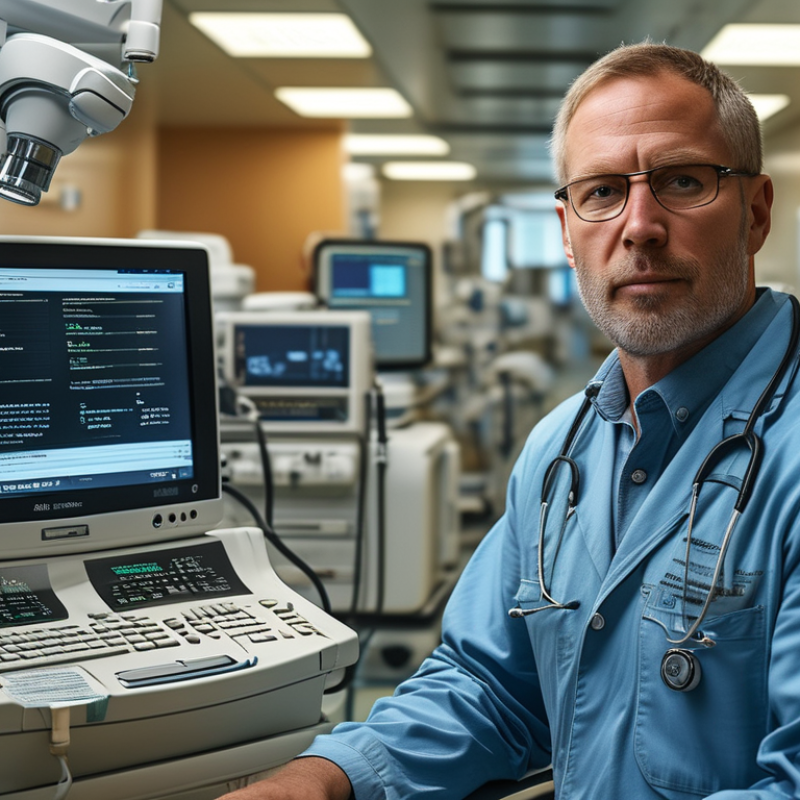
Understanding Medical Equipment Safety Guidelines for Buyers?

Importance of Medical Equipment Safety in Healthcare Settings

In healthcare settings, safety is paramount. Medical equipment plays a critical role in patient care. Properly functioning equipment can save lives. Faulty devices, on the other hand, can lead to serious harm. Both buyers and users must understand safety guidelines.

Compliance with safety standards ensures reliability. Regular maintenance is necessary, yet often overlooked. Many institutions may skip scheduled checks due to budget constraints. This can create dangerous situations. Buyers should prioritize purchasing from credible suppliers who adhere to safety regulations.

Training staff on equipment use is vital. Misuse can lead to accidents and injuries. Yet, not all healthcare personnel receive adequate training. Realizing this gap is the first step toward improvement. Investing in education enhances safety. Ultimately, safeguarding patient welfare should always be the top priority.

Key Regulations Governing Medical Equipment Safety Compliance

Medical equipment safety is governed by a range of regulations designed to protect patients and healthcare providers. Buyers should familiarize themselves with these standards. Regulations often include safety testing, quality control measures, and performance evaluations. Compliance with these guidelines ensures that equipment is reliable and operates as intended.

The FDA, for instance, requires rigorous testing before medical devices reach the market. Such testing assesses potential hazards and validates product claims. Buyers should check if the equipment meets these established criteria. Non-compliance can lead to severe consequences, including health risks and legal issues.

Documentation is another critical aspect. Buyers should review technical files and safety reports thoroughly. Not all products will provide clear compliance evidence, necessitating careful scrutiny. Effective communication with suppliers can help clarify uncertainties and ensure safety. Mistakes can be costly, both financially and in terms of patient safety, so due diligence is essential.

Essential Safety Guidelines for Medical Equipment Buyers

When purchasing medical equipment, safety should be a top priority. Buyers must understand the essential safety guidelines that can help minimize risks. First, it is crucial to assess the reliability of the equipment. Look for devices that have undergone rigorous testing and meet established safety standards. Certifications from recognized authorities can serve as a confidence booster.

Moreover, proper training on the equipment's use is vital. Users should have comprehensive knowledge of the device, including potential risks and emergency procedures. Without adequate training, even the safest equipment can pose dangers. Regular maintenance and timely inspections also play a significant role in ensuring ongoing safety.

Buyers should conduct thorough research about the equipment's intended purpose and limitations. Understanding these parameters can prevent misapplications that compromise safety. It's essential to remain cautious, as not all equipment will fit every scenario. A misstep here can lead to unfortunate consequences. Always ask for detailed user manuals and follow the manufacturer’s guidelines closely.

Understanding Medical Equipment Safety Guidelines for Buyers

Safety Guideline Description Importance
Regulatory Compliance Ensure all equipment meets local, national, and international regulations. High
User Training Provide adequate training for users to operate equipment safely. Critical
Maintenance Regular maintenance and servicing to ensure optimal performance. High
Quality Standards Only purchase equipment that adheres to recognized quality standards. Essential
Risk Assessment Conduct thorough risk assessments before purchasing new equipment. High
User Manuals Ensure comprehensive user manuals are available and accessible. Important
After-Sale Support Check for reliable after-sale support from the manufacturer. High

How to Evaluate the Safety Features of Medical Equipment

When evaluating the safety features of medical equipment, buyers must focus on various critical factors. A significant consideration is adherence to established safety standards. According to the International Organization for Standardization (ISO), medical devices must meet specific quality requirements. For instance, ISO 13485 outlines a framework for quality management systems. This ensures reliability and safety in the equipment's design and manufacture.

Another vital aspect is the presence of risk management processes. The ISO 14971 standard emphasizes identifying potential hazards associated with medical devices. It also suggests evaluating risks and taking appropriate mitigations. Data shows that nearly 80% of reported adverse events are linked to device malfunction. This underlines the importance of thorough risk assessments and continuous post-market surveillance.

Additionally, user training plays a crucial role in equipment safety. Proper training can reduce operational errors. A study revealed that 30% of safety incidents are due to improper use rather than equipment failure. Buyers should check if manufacturers provide comprehensive training programs. It's essential for end-users to understand the equipment features and potential risks involved. Such knowledge can significantly enhance patient safety and ensure compliance with regulatory requirements.

Best Practices for Maintaining Medical Equipment Safety Standards

Maintaining medical equipment safety standards is crucial for patient care and operational efficiency. Regular inspections are essential. A structured schedule helps identify potential issues before they become serious. Technicians should be trained to recognize subtle signs of wear and tear. This proactive approach minimizes the risk of equipment failure.

Documentation plays a vital role. Keeping detailed records of maintenance and repairs creates a safety net. It provides insight into equipment performance over time. This can help detect patterns or recurring issues. However, relying solely on documentation can lead to complacency. Regular hands-on evaluations are necessary to catch what the logs may miss.

Moreover, engage staff in safety protocols. They are the first line of defense. Encourage open discussions about equipment use and concerns. A culture of safety enhances vigilance. Yet, it’s also important to remain critical of practices. Just because something is documented doesn’t mean it's effective. Continuously questioning procedures can uncover hidden flaws.

FAQS

: Why is medical equipment safety important in healthcare settings?

: Medical equipment safety is critical. Properly functioning devices can save lives, while faulty ones can cause serious harm.

What should buyers prioritize when purchasing medical equipment?

Buyers should prioritize safety. They must ensure equipment reliability and compliance with established safety standards.

How can regular maintenance impact medical device safety?

Regular maintenance is crucial for safety. However, it is often overlooked, leading to potential dangers in healthcare environments.

What training do healthcare personnel need regarding equipment?

Healthcare personnel need proper training. Misuse can lead to accidents, but many do not receive adequate instruction on safety measures.

How can buyers assess the reliability of medical equipment?

Buyers should look for rigorous testing and certifications from recognized authorities. This can enhance confidence in the equipment’s safety.

What should users know about medical device limitations?

Users must understand a device's intended purpose and limitations. Misapplications can compromise safety, creating potential risks for patients.

What role do user manuals play in equipment safety?

User manuals are essential. They provide guidelines on safe usage and emergency procedures, helping prevent accidents.

Is it common for institutions to skip equipment checks?

Yes, budget constraints often lead to skipped scheduled checks. This negligence can create dangerous situations for patients.

What can be done to improve staff training on equipment use?

Investing in education is vital. Training enhances safety and ensures staff understands risks associated with equipment use.

What are the consequences of inadequate training on medical devices?

Inadequate training can make even safe equipment dangerous. Recognizing this gap is essential for improving healthcare safety.

Conclusion

In "Understanding Medical Equipment Safety Guidelines for Buyers," the article emphasizes the crucial role of safety in healthcare settings, highlighting that adherence to established regulations is vital for compliance and patient protection. Key regulations governing medical equipment safety compliance are outlined, providing buyers with a foundational understanding of the responsibilities they hold when selecting equipment.

The piece further elaborates on essential safety guidelines for buyers, detailing how to assess the safety features of medical equipment effectively. It also presents best practices for maintaining safety standards throughout the lifecycle of the equipment. Through this discussion, "Medical Equipment Safety Guidelines Explained" serves as a comprehensive resource for healthcare professionals striving to ensure both quality and safety in their medical equipment investments.

Isabella

Isabella

Isabella is a dedicated marketing professional with a sharp focus on driving brand growth and engagement through strategic content creation. With an extensive background in digital marketing, she combines her passion for storytelling with her keen understanding of industry trends to deliver......