In today’s fast-paced manufacturing environment, understanding how to improve production line automation is essential for global buyers. Automation enhances efficiency and reduces costs. However, achieving successful automation is not always straightforward. Companies often struggle with the integration of new technologies and workforce adaptability.
Stakeholders must assess their current systems first. Many overlook the importance of proper training for personnel. A knowledgeable workforce is key to maximizing automation benefits. Additionally, choosing the right technology can be challenging. An organization must evaluate its unique processes and how automation can address specific needs.
It is also crucial to measure the impact of automation regularly. Data analytics can reveal insights into production efficiency. However, not all insights lead to immediate improvement. Continuous evaluation helps teams identify areas that require adjustment or reevaluation. Therefore, understanding how to improve production line automation is an ongoing journey that demands dedication and foresight.
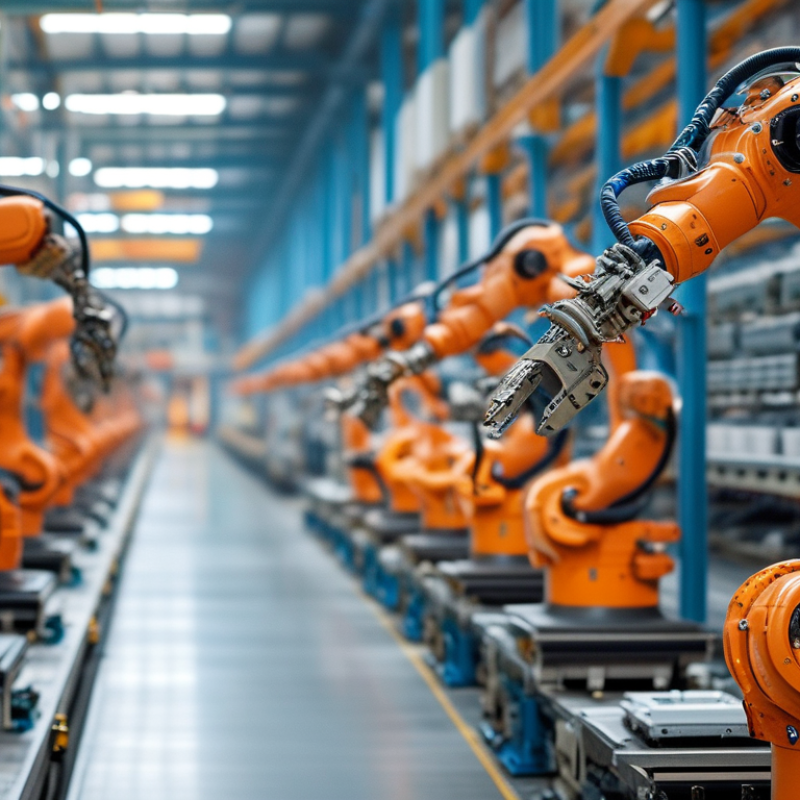
Production line automation is a vital component for global manufacturers. It not only enhances efficiency but also minimizes human error. Companies are increasingly adopting automated solutions to streamline their processes. Understanding these key concepts is essential for success. Automation reduces the need for manual labor. This leads to significant cost savings in the long run. However, a poorly implemented system can cause disruptions.
One key benefit of automation is improved production speed. Machines work continuously and can operate faster than human workers. Yet, even the most advanced systems require regular maintenance. Neglecting this aspect can result in unexpected breakdowns. Training employees to manage and understand these systems is crucial. It creates a more adaptable workforce ready for future challenges.
Moreover, automation offers data collection and analysis. This data can reveal inefficiencies. However, relying too much on automated data can lead to oversight. Businesses must balance technology with human judgment. Combining insights from both can lead to better outcomes. The journey of automation is ongoing and requires reflection and adaptation.
In today's rapidly evolving industrial landscape, automation systems face various challenges. One common issue is the integration of new technologies into existing production lines. Many manufacturers struggle to adopt advanced automation tools due to a lack of clear strategies. This often results in underperforming systems that hinder productivity.
Regular assessments can help identify weaknesses. Evaluate how current systems handle workflow and data collection. Are there frequent downtimes? Do operators complain about inefficiencies? These insights are crucial for implementing effective upgrades.
Tips for improvement: Train staff on new technologies to ensure smooth transitions. Consider a phased approach to automation, allowing adjustments based on real-time feedback. Don’t rush into overhauling entire systems at once.
Another challenge is adapting to market changes. Automation must be flexible to meet varying production demands. Businesses often underestimate this need and end up with rigid setups. Regularly consult with team members for suggestions. They can provide valuable input on potential adjustments or improvements. Create an environment where feedback is actively sought and valued.
Designing an efficient automated production line is vital for meeting global demands. It requires careful consideration of layout, technology, and workforce dynamics. A well-designed production line enhances productivity and minimizes waste. Start by analyzing the workflow. Identify bottlenecks and potential obstacles. Create a streamlined process that reduces unnecessary steps.
Tips: Regularly review processes. Seek feedback from staff. They know what works and what doesn’t.
Incorporating flexible automation is another best practice. Machines should adapt to different tasks easily. This adaptability allows for quick responses to market changes. Invest in quality sensors and software for real-time monitoring. These tools can provide insights into production efficiency.
Tips: Schedule routine maintenance. It’s essential for consistent performance. Downtime can be costly.
Lastly, focus on training. Equip your workforce with the necessary skills. Understanding both technology and processes leads to improved automation outcomes. A knowledgeable team can troubleshoot issues effectively.
Tips: Encourage a culture of continuous improvement. Promote open communication among team members.
Automation in production lines is transforming how industries operate globally. Utilizing advanced tools and software can significantly enhance this automation. For instance, a report by McKinsey states that companies can achieve up to 30% productivity gains through effective automation solutions. This improvement arises from streamlining processes and minimizing human error.
Integrating technologies like AI and IoT into production systems allows for real-time monitoring. Such integration enables predictive maintenance, reducing downtime. According to a survey by PwC, 72% of manufacturers are increasing their investment in smart manufacturing technologies. This shift reflects a growing recognition of the importance of technology in improving efficiency. However, not all implementations are seamless. Many companies struggle with data integration and employee training, leading to underutilized systems.
Software tools play a crucial role in optimizing production lines. They provide analytics that help identify bottlenecks. Investing in user-friendly platforms can ease the transition for employees. Yet, reliance on technology may also introduce risks. Cybersecurity threats are a real concern in automated systems. Therefore, it’s essential to adopt robust security measures while embracing these advancements.
Global markets demand flexibility in production line automation. Many manufacturers face challenges in adapting to varying regulations and consumer preferences. Reports indicate that 70% of businesses struggle to integrate new technologies effectively. They must find strategies to adapt without compromising quality.
One approach involves modular automation solutions. These systems provide scalability and can be adjusted quickly as market needs change. For instance, a factory may require different configurations for seasonal products. Implementing modular systems can speed up this transition, minimizing downtime. Industry experts suggest that adopting this model could increase production speeds by 30%.
Another critical factor is workforce training. A skilled team is essential for smooth integration. Companies often invest over 20% of their automation budget in training. However, feedback from employees reveals that training programs frequently lack practical, hands-on experience. This gap can lead to errors and inefficiencies. Developing a comprehensive training program that prioritizes real-world application may solve this issue.
: One issue is integrating new technologies with existing systems. Many manufacturers lack clear strategies for automation.
Regular assessments can help identify weaknesses. Check for workflow issues and data collection efficiencies.
Train staff on new technologies. A phased approach helps address challenges based on feedback.
Automation must adapt to market changes. Rigid setups can hinder production response times.
Analyze workflows to identify bottlenecks. Streamline processes to reduce unnecessary steps.
Staff feedback is crucial. They often know what works well and what needs change.
Training is essential for smooth integration. It helps teams troubleshoot and adapt to new technologies.
Modular systems offer scalability. They can adjust quickly to meet changing production needs and minimize downtime.
Many training programs lack practical experience. This can lead to errors and inefficiencies in operations.
Encourage open communication among team members. A culture of feedback can drive better automation practices.
In the article "How To Improve Production Line Automation for Global Buyers," the focus is on enhancing automation processes within production environments. It begins with an overview of key concepts and benefits associated with production line automation, highlighting how these advancements can lead to increased efficiency and reduced operational costs. The article then delves into the common challenges faced by current automation systems, providing actionable solutions to address these issues.
Furthermore, it outlines best practices for designing an efficient automated production line, emphasizing the importance of proper layout and system components. The role of technology is also discussed, detailing various tools and software that can enhance automation efforts. Finally, the article presents strategies for seamless integration and adaptation in diverse global markets, ensuring that production lines remain competitive and responsive to changing demands. Overall, understanding these concepts is crucial for buyers looking to improve production line automation effectively.

Hanora Medical