When it comes to medical equipment installation and setup, precision is crucial. Dr. Emily Hart, a renowned expert in the field, emphasizes, "The right installation makes all the difference in patient care." In the complex world of healthcare, a well-executed installation process can impact outcomes significantly. The "Medical Equipment Installation And Setup Guide" serves as an invaluable resource for healthcare providers.
Understanding the nuances of installation is essential. Each piece of equipment has unique requirements, from calibration to environmental conditions. Failing to adhere to established protocols can result in costly mistakes. Equipment must be tested thoroughly; overlooking even minor details can lead to serious complications.
Given the rapid advancements in technology, staying updated is a challenge. Medical teams often face more questions than answers. With proper guidance and a systematic approach, they can navigate these challenges. Reflecting on past installations can provide insights, highlighting areas for improvement. This guide will walk you through ten essential tips, blending expertise and practical strategies for successful setups.
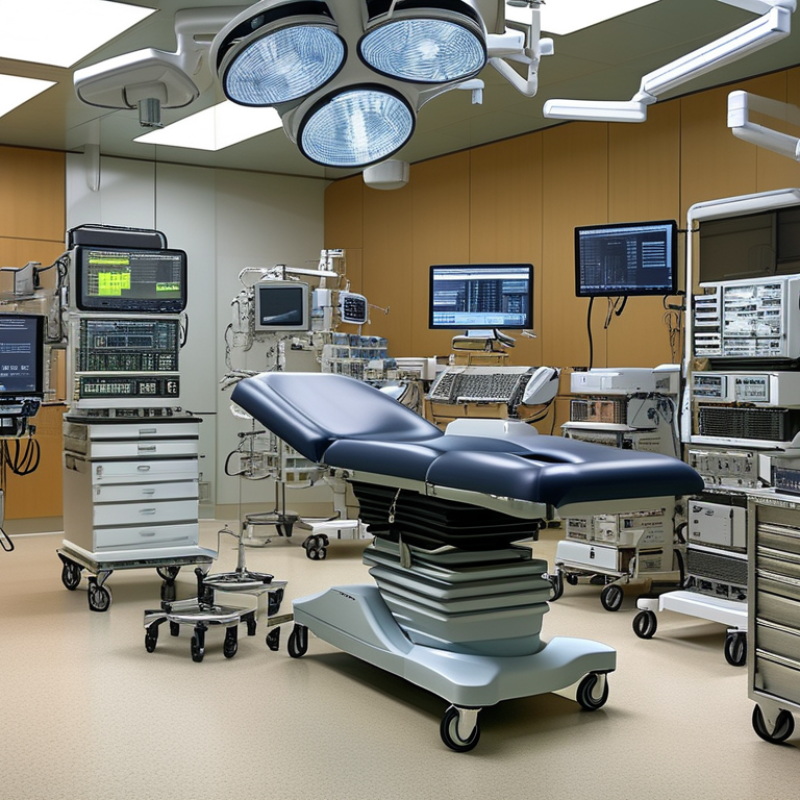
Proper medical equipment installation is vital for patient safety and operational efficiency. Each piece of equipment serves a specific function, and incorrect setup can lead to malfunctions. For instance, an improperly calibrated machine might deliver incorrect doses of medication. This accentuates the role of skilled professionals during installation.
Trained technicians are essential in this process. They ensure that all guidelines are followed diligently. They can identify potential hazards that untrained personnel might overlook. Even slight errors in installation can have significant consequences. Regular assessments of installed equipment can prevent issues before they arise.
Moreover, proper training for staff is crucial. Employees should understand how to operate and maintain equipment. This knowledge minimizes risks associated with misuse. Reflecting on past incidents can help improve future installations. Creating a culture of safety is paramount in healthcare settings.
Assessing site requirements is crucial for efficient medical equipment installation. Understanding the space's dimensions, electrical supply, and environmental factors can significantly impact functionality. A study by the Health Technology Assessment Programme indicated that about 30% of medical equipment failures are attributed to improper installation and setup.
Properly evaluating site conditions ensures equipment operates at its best. For example, specific medical imaging devices require controlled temperature and humidity to function effectively. If these factors are overlooked, it can lead to performance issues or unnecessary repairs. Moreover, underestimating the space needed can create challenges during patient procedures, as equipment can obstruct movement.
Communication with the healthcare facility is essential. Engaging with the technical staff helps clarify installation needs. However, misunderstandings can still arise due to unclear specifications. A survey from the Journal of Healthcare Engineering noted that 25% of installations faced setbacks due to miscommunication. Addressing these issues upfront can save time and resources, leading to a more streamlined installation process.
Calibrating and configuring medical equipment correctly is crucial for accurate diagnostics and patient safety. According to a report from the World Health Organization, improper calibration can lead to a staggering 30% increase in diagnostic errors. Therefore, following a systematic approach for equipment setup is essential.
Start by thoroughly reviewing the equipment manual. Each device has unique requirements and specifications. An overlooked detail like voltage settings can affect performance. For instance, regulation around electrical safety mandates regular inspections, ensuring power sources meet specified standards. These checks can prevent potential hazards.
Next, perform the initial calibration. This process involves adjusting the device according to its manufacturer’s parameters. Regular calibration can enhance reliability. Studies suggest that uncalibrated equipment may compromise patient care by delivering inaccurate readings. Keep in mind the importance of documentation. Record every calibration and configuration step. This not only ensures compliance but also provides an audit trail for future maintenance. Engaging with experienced professionals for this stage can also mitigate risks. It's always important to remember that even with careful attention, errors may occur, highlighting the need for continual education and training in equipment management.
Ensuring compliance with health and safety regulations during medical equipment installation is crucial. According to the World Health Organization, proper setup can prevent up to 30% of accidents in healthcare settings. Compliance ensures patient safety and minimizes equipment failures, which can lead to dire consequences. Equipment must meet local and international standards, such as IEC 60601, to ensure reliability and safety.
Training staff in equipment operation is essential. All personnel should understand the specific safety protocols associated with each device. A report by the National Institute for Occupational Safety and Health states that inadequate training accounts for 20% of equipment-related incidents in hospitals. Regular audits and risk assessments can identify gaps in compliance. These measures also promote a culture of safety, which can have lasting benefits for patient care.
Installation processes need strict adherence to guidelines. However, equipment may not always be intuitive. When teams rush, oversights can occur, leading to dangerous mishaps. It's essential to allocate ample time for setup and have qualified personnel conduct thorough tests. Creating an environment that encourages communication about safety concerns can help address potential issues proactively.
Training staff on medical equipment usage is crucial. A report from the World Health Organization (WHO) highlights that inadequate training can result in malfunction or misuse, impacting patient outcomes. In fact, studies show that 25% of medical errors are linked to improper equipment handling.
Effective training should focus on both usage and maintenance. Short, focused sessions can improve retention. Hands-on practice enhances understanding. A survey indicated that 70% of staff felt more confident after practical training. Incorporating visuals can also aid learning. Infographics and videos help simplify complex procedures.
Feedback is essential. Staff should share their experiences. Regular assessments can identify knowledge gaps. Data from the Institute of Medicine shows that continuous education reduces equipment-related incidents by over 30%. Yet, many facilities overlook ongoing training. Commitment to education is key for safe, efficient medical practice.
| Tip Number | Tip Description | Key Considerations |
|---|---|---|
| 1 | Assess Space Requirements | Ensure adequate space for equipment and personnel access |
| 2 | Check Electrical and Plumbing | Verify power outlets and water connections are compatible |
| 3 | Follow Manufacturer's Instructions | Adhere to specific guidelines for installation |
| 4 | Conduct Pre-Installation Training | Prepare staff with knowledge before equipment arrives |
| 5 | Establish a Setup Timeline | Create a detailed schedule for installation phases |
| 6 | Coordinate with Technical Support | Keep communication open with vendors during setup |
| 7 | Test Equipment Operations | Run diagnostics and ensure all features function correctly |
| 8 | Document Procedures | Create manuals and records for future reference |
| 9 | Implement Safety Protocols | Ensure compliance with all health and safety regulations |
| 10 | Conduct Post-Installation Review | Evaluate the installation and gather feedback from staff |
: Assessing site requirements, including space dimensions and electrical supply, is essential for installation efficiency.
Overlooking temperature and humidity can lead to performance issues and unnecessary repairs for medical equipment.
Engaging with healthcare facility staff helps clarify installation needs and avoid misunderstandings.
About 25% of installations encounter setbacks because of unclear specifications and miscommunication.
Proper calibration is critical as improper settings can increase diagnostic errors significantly, impacting patient safety.
Thoroughly review the equipment manual to understand unique requirements and specifications before calibration.
Documentation ensures compliance and provides an audit trail for future maintenance, helping track all changes.
Regular calibration according to manufacturer parameters can enhance the reliability of medical devices.
Ensuring power sources meet specified standards is crucial to prevent potential hazards during equipment operation.
Uncalibrated equipment may deliver inaccurate readings, compromising patient care and diagnostic accuracy.
The "Medical Equipment Installation And Setup Guide" emphasizes the critical nature of proper installation to ensure optimal functionality and safety in healthcare environments. The guide begins by highlighting the necessity of understanding site requirements for effective equipment placement, which must align with the specific needs of the medical facility. It offers a thorough step-by-step approach to equipment calibration and configuration, ensuring that all devices meet operational standards.
Furthermore, the guide addresses the importance of compliance with health and safety regulations, which serves to protect both patients and healthcare professionals. Lastly, it stresses the need for comprehensive staff training on equipment usage and maintenance procedures, ensuring that personnel are well-equipped to manage the medical devices efficiently. Overall, this guide provides essential insights to facilitate successful medical equipment installation and setup in healthcare settings.

Hanora Medical