10 Essential Tips for Designing Cleanroom Manufacturing Facilities?

Time:2026-06-27 Author:Aria
0%

Designing cleanroom manufacturing facilities is a complex endeavor. It requires careful planning and adherence to strict regulations. By focusing on "How To Design Cleanroom Manufacturing Facilities," manufacturers can ensure compliance and efficiency.

A cleanroom’s environment plays a crucial role in product integrity. Factors like air quality, pressure, and contamination control are vital. Each aspect demands meticulous attention. The integration of advanced technologies can significantly enhance performance. Selecting the right materials is equally important. They must withstand sterilization and minimize contamination.

However, common pitfalls can occur in the design phase. Oversights in airflow or filtration systems can lead to major issues later. Inexperience can lead to costly redesigns. Reflecting on these challenges is crucial for continuous improvement. This guide will explore essential tips to help navigate these complexities successfully.
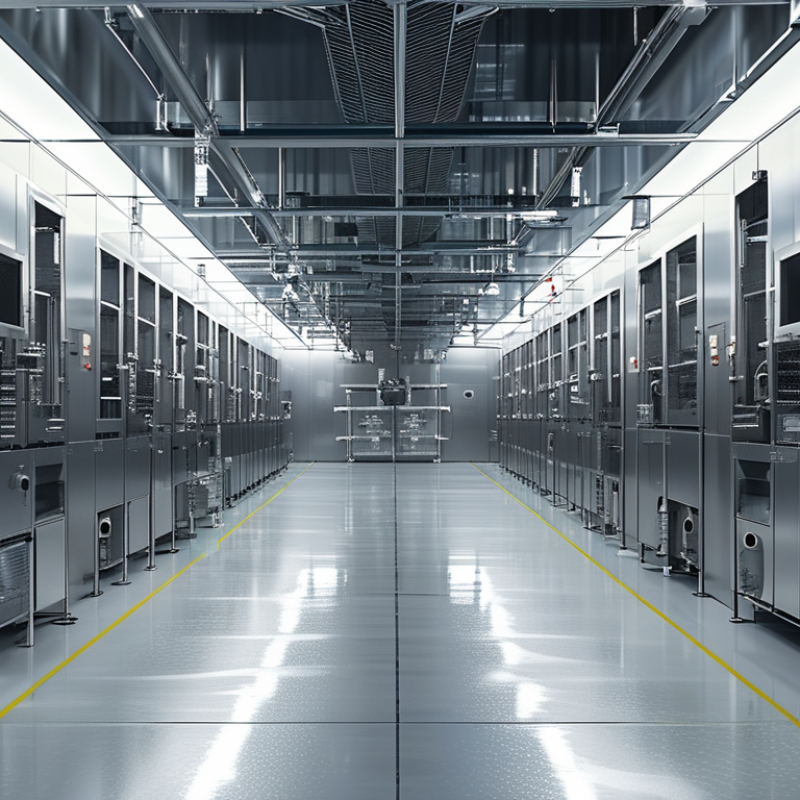
10 Essential Tips for Designing Cleanroom Manufacturing Facilities?

Understanding Cleanroom Standards and Regulations

Cleanroom manufacturing facilities require strict adherence to standards and regulations. These regulations are often outlined by organizations like ISO and FDA. Compliance ensures product integrity and protects public health. It involves stringent protocols for air quality, contamination control, and personnel hygiene.

Designing a cleanroom means understanding these standards. For example, ISO Class 5 requires a maximum particle count of 3,520 particles per cubic meter. This influences ventilation systems and material choices. It's not uncommon to find discrepancies in how different facilities interpret these guidelines. Some might overlook specific airflow requirements, leading to future compliance issues.

Training personnel is equally essential. Workers must know how to minimize contamination risks. Regular audits can help identify lapses in protocols. Many facilities struggle with maintaining consistent standards over time. Regular reviews and updates can reinforce a culture of compliance, ensuring a high-performance manufacturing environment.

Key Design Principles for Cleanroom Layout Efficiency

When designing cleanroom manufacturing facilities, layout efficiency is paramount. One key principle is to assess workflow. A smooth flow reduces cross-contamination risks. Identify high-traffic areas to minimize unnecessary movement. Consider zones that require different cleanliness levels. This zoning helps maintain integrity across processes.

Incorporating modular wall systems allows flexibility in design. These walls can be reconfigured as needs change. This adaptability is crucial in a fast-paced environment. Another tip is to optimize air circulation. Proper airflow prevents the accumulation of particulates.
Strategically placed vents enhance air distribution, improving overall cleanliness.

Visual cues can guide personnel within the cleanroom. Color-coded pathways indicate different zones or equipment locations. This clarity mitigates confusion, enhancing safety.

Furthermore, Ensure that your cleanroom is aligned with regulatory standards. Regular audits on design and practices can illuminate areas for improvement. By regularly evaluating the layout, managers can achieve a balance between efficiency and compliance.

Selecting Appropriate Materials for Cleanroom Construction

Designing cleanroom manufacturing facilities requires careful consideration of materials. The choice of materials directly influences contamination control and overall facility performance. Durable, non-porous surfaces are essential. They are easier to clean and maintain. Plastic, stainless steel, and glass are common options. Each material has unique properties that must be evaluated.

It is also vital to choose materials that meet industry standards. For instance, seamless flooring can reduce particle accumulation. Walls should have a smooth finish to facilitate decontamination. In some cases, specialized coatings are necessary. These coatings can withstand harsh cleaning agents and protect the integrity of the cleanroom.

Moreover, the environmental impact of materials is something to reflect upon. Sustainable options are gaining popularity. However, balancing cost, performance, and sustainability is challenging. Some materials may be ideal in one aspect but inadequate in another. It's crucial to understand the specific requirements of your cleanroom before making these decisions. An experienced team can provide valuable insights.

Implementing Effective HVAC Systems for Air Quality Control

Implementing effective HVAC systems in cleanroom manufacturing facilities is critical for maintaining air quality. According to the International Standards Organization (ISO), cleanrooms must achieve specific particle counts to meet industry standards. For example, ISO Class 5 allows 3,520 particles per cubic meter. Discrepancies in air quality can jeopardize product integrity.

HVAC systems must be designed to manage humidity and temperature precisely. The American Society of Heating, Refrigerating and Air-Conditioning Engineers (ASHRAE) recommends maintaining temperatures between 18 to 24 degrees Celsius. However, many facilities struggle to achieve this consistently. Poorly maintained filters and duct systems can lead to increased airborne particles.

The placement of air handling units (AHUs) also affects air quality. Ideally, AHUs should be located upstream to minimize contamination risk. However, miscalculations in airflow can create dead zones. This results in uneven distribution of filtered air. Regular audits of airflow patterns are essential but often overlooked. These reflections can lead to significant improvements in facility performance.

10 Essential Tips for Designing Cleanroom Manufacturing Facilities - Implementing Effective HVAC Systems for Air Quality Control

Tip No. Tip Description Key Benefits Implementation Considerations
1 Choose the right cleanroom classification Ensures compliance and product integrity Assess product requirements and regulations
2 Implement efficient HVAC systems Improves air quality and contaminant control Regular maintenance and monitoring needed
3 Optimize airflow patterns Reduces contamination risk Consider equipment layout and personnel flow
4 Incorporate proper filtration systems Removes particulates from the air Select filters based on the cleanroom class
5 Ensure humidification and dehumidification controls Maintains optimal conditions for operations Monitor and adjust based on external conditions
6 Design for easy cleaning and maintenance Facilitates compliance with cleanroom standards Use non-porous, smooth materials
7 Train staff on cleanroom protocols Minimizes human contamination risk Implement regular training sessions
8 Monitor air quality continuously Ensures ongoing compliance with standards Utilize real-time monitoring systems
9 Integrate advanced technology Enhances operational efficiency Research the latest cleanroom innovations
10 Plan for future expansion Accommodates growing business needs Design flexible space and infrastructure

Establishing Protocols for Cleanroom Operation and Maintenance

Establishing effective protocols for cleanroom operation and maintenance is vital in manufacturing facilities. These protocols ensure that contamination risks are minimized, promoting product quality and efficiency. Workers must be trained thoroughly on cleanroom standards. Regular training sessions can reinforce these standards, ensuring everyone remains vigilant.

Routine inspections of the cleanroom environment are essential. These checks help identify any deviations from established protocols. Parameters such as temperature, humidity, and particle counts should be monitored continuously. Issues can arise from equipment malfunctions or human error. Documenting these incidents provides opportunities for reflection and improvement.

Maintenance schedules should be strictly followed. Equipment must be serviced regularly to prevent potential contamination. Implementing a checklist can help ensure no step is overlooked. Unforeseen challenges will emerge, requiring teams to adapt. Flexibility in the protocol allows for timely responses and necessary adjustments, enhancing the overall reliability of cleanroom operations.

FAQS

: What are the key regulations for cleanroom facilities?

: Key regulations include adherence to air quality, contamination control, and personnel hygiene standards.

Why is personnel training important in cleanrooms?

Personnel training minimizes contamination risks and ensures everyone understands cleanroom protocols effectively.

What should be monitored in a cleanroom?

Parameters like temperature, humidity, and particle counts should be continuously monitored for compliance.

How can discrepancies in cleanroom standards occur?

Discrepancies may arise from different interpretations of guidelines or overlooking specific airflow requirements.

Why is routine inspection critical in cleanroom management?

Routine inspections identify deviations from established protocols and help maintain product quality.

What role does maintenance play in cleanroom operations?

Regular maintenance prevents equipment malfunctions that could lead to contamination and operational issues.

What is a reliable way to keep cleanroom protocols effective?

Regular audits and training sessions help reinforce compliance and improve overall performance.

How can teams handle unforeseen challenges in cleanrooms?

Flexibility in protocols allows teams to adapt and respond to challenges quickly.

What should be included in a cleanroom maintenance checklist?

A checklist should ensure all servicing steps are completed and no detail is overlooked.

What should facilities do to reflect on their cleanroom practices?

Documenting incidents and reviewing processes can provide insights for improvement and future compliance.

Conclusion

Designing cleanroom manufacturing facilities requires a deep understanding of cleanroom standards and regulations, which ensure compliance and safety in controlled environments. Key design principles that enhance layout efficiency must be prioritized, such as optimizing workflow and minimizing contamination risks. In the process of how to design cleanroom manufacturing facilities, selecting appropriate materials for construction is crucial, as they need to support cleanliness and durability.

Effective HVAC systems play a significant role in maintaining air quality control, ensuring that particulate levels remain within acceptable limits. Lastly, establishing robust protocols for operation and maintenance is essential for sustaining the cleanliness and functionality of the facility. By adhering to these guidelines, manufacturers can create cleanroom environments that meet operational needs and regulatory standards.

Aria

Aria

Aria is a dedicated marketing professional with a deep passion for innovative strategies and a keen understanding of our company's product offerings. With a wealth of experience in the industry, Aria excels at crafting engaging content that highlights the unique features and benefits of our......