Ensuring the safety of medical products is critical for global buyers. Medical product safety standards protect consumers and enhance trust in healthcare systems. Dr. Sarah Thompson, an expert in medical device regulation, stated, "Effective safety standards are the backbone of public health." This statement highlights the importance of adhering to established protocols.
In today's global market, understanding How To Ensure Medical Product Safety Standards is essential. Compliance with safety regulations can be a complex task for many manufacturers. Missteps can lead to severe consequences, including product recalls and legal challenges. Examples exist where lack of adherence resulted in harmful impacts.
Monitoring quality and safety is an ongoing responsibility. Companies must prioritize transparency and stay updated with global standards. Engaging with industry experts can enhance knowledge. It is essential to reflect on existing practices and improve them continuously. By focusing on safety standards, we protect consumers and maintain public health integrity.
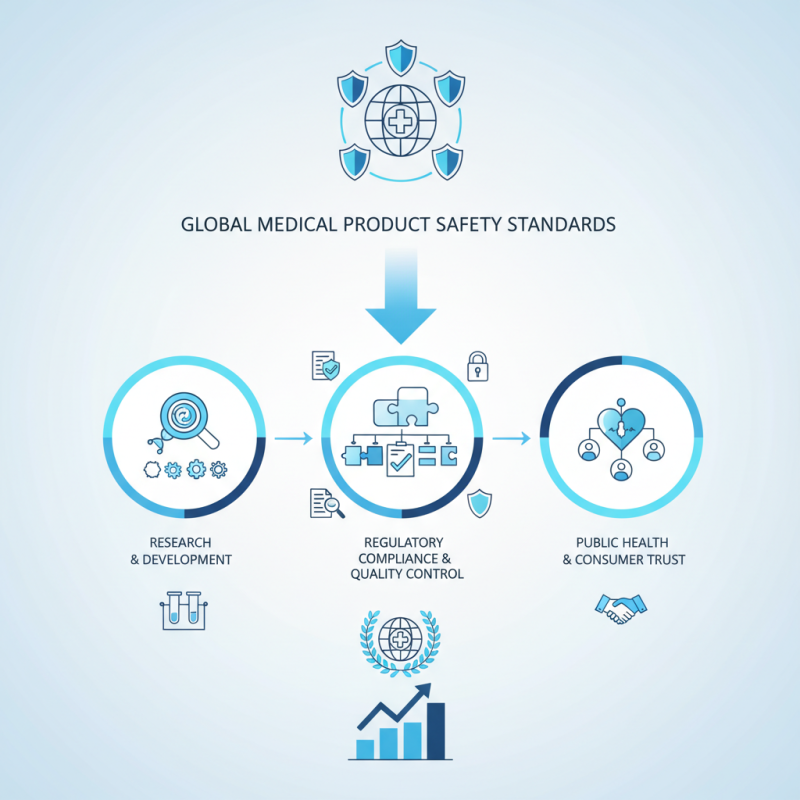
Understanding Medical Product Safety Standards Globally
Understanding medical product safety standards is crucial for global buyers. In recent years, the World Health Organization reported that unsafe medical products caused an estimated 1 million deaths annually. Buyers must be vigilant in ensuring that products meet stringent safety regulations. The International Organization for Standardization (ISO) has developed various standards, such as ISO 13485 for quality management systems in the medical device industry, which is vital for global compliance.
Although many organizations strive for high safety standards, lapses can occur. A 2021 survey indicated that nearly 30% of medical devices reported safety issues within their first year. This statistic highlights the need for rigorous evaluations. It is essential for buyers to review certifications and track records of manufacturers. Understanding the different regulatory frameworks, like the FDA in the U.S. and the European Medicines Agency (EMA) in Europe, is also essential. Each region has unique requirements that impact how products are assessed.
Additionally, many suppliers may not provide complete transparency regarding their manufacturing processes. This can lead to risks in product safety. Buyers need to develop robust due diligence practices. They should involve third-party auditors and seek out direct feedback from healthcare professionals. This proactive approach ensures that the medical products sourced ultimately meet the necessary safety standards, protecting both buyers and end-users.
Key Regulatory Bodies Overseeing Medical Product Safety
Ensuring medical product safety is a complex challenge. Several regulatory bodies play crucial roles in overseeing safety standards. Organizations like the FDA in the United States and the EMA in Europe set the groundwork for compliance. These agencies evaluate products through rigorous testing and review processes. They examine clinical trial data and manufacturing processes to ensure quality and safety.
In many countries, various other organizations collaborate to monitor medical products. The WHO offers global guidelines while local agencies adapt these recommendations to regional needs. Their goal is to minimize risks and improve patient safety. However, maintaining these standards is not foolproof. There are instances where unsafe products slip through regulatory nets. Continuous training and updates for regulatory professionals are vital.
Proactive engagement with regulatory bodies can help manufacturers understand compliance better. Transparency in communication about potential issues is essential. Some companies may struggle to keep up with evolving regulations. Failure to do so can lead to safety concerns and lost trust. Awareness and adaptation are necessary aspects of ensuring medical product safety.
Essential Testing and Certification Processes for Safety Compliance
Ensuring medical product safety standards is crucial for global buyers. The testing and certification processes are foundational for achieving safety compliance. Various methods exist to assess these products effectively.
Rigorous testing can help identify potential risks associated with medical devices.
Certification agencies play a vital role in this process. They verify that products meet specific safety standards before market entry. These agencies conduct comprehensive evaluations, from material testing to functional assessments. A failed certification reflects significant safety concerns, which can impact brand reputation and market access.
Buyers must be vigilant. Not all certifications guarantee product safety. Engaging in due diligence is necessary to understand the testing protocols. Information transparency should be prioritized. Frequent audits and assessments will help maintain standards. Continual improvement in safety practices is vital. It ensures that products not only pass initial tests but remain safe over their lifecycle.
Best Practices for Global Buyers in Evaluating Medical Products
Evaluating medical products for global markets requires a meticulous approach. The World Health Organization (WHO) emphasizes that quality assurance is paramount. In 2022, reports indicated that over 30% of medical devices were found to be non-compliant with safety standards in various regions. This underscores the necessity for thorough evaluations.
To ensure safety, global buyers should initiate rigorous assessments. Verifying certifications from recognized authorities is vital. Studies show that products with verified quality certificates have a 40% lesser chance of causing adverse effects. Engaging third-party testing facilities can also enhance reliability. These entities provide expert evaluations, ensuring that products meet specific health and safety requirements.
Staying updated with the latest guidelines from authorities like the FDA can help mitigate risks. Additionally, buyers should emphasize transparency in the supply chain. Lack of information can be a red flag. Inconsistent data on product origins or handling can lead to concerns. Addressing these gaps is essential for informed decision-making. The landscape of medical products is complex, and a proactive approach is crucial for safety adherence.
How To Ensure Medical Product Safety Standards for Global Buyers? - Best Practices for Global Buyers in Evaluating Medical Products
| Criteria |
Description |
Importance |
| Regulatory Compliance |
Ensure medical products comply with local and international medical regulations. |
High |
| Quality Assurance |
Evaluate the manufacturer's quality control processes to ensure high standards. |
High |
| Product Certifications |
Check for relevant certifications (e.g., ISO, CE mark) indicating compliance with safety standards. |
Medium |
| Traceability |
Ensure that the product can be traced back to its origin for better accountability. |
Medium |
| Supplier Evaluation |
Assess the reliability and reputation of suppliers to minimize risk. |
High |
| Post-Market Surveillance |
Monitor the performance of products post-sale to identify and mitigate any issues. |
Medium |
Strategies for Continuous Monitoring and Risk Management in Procurement
In today’s global market, ensuring the safety of medical products is paramount. Continuous monitoring and risk management are essential strategies in procurement. According to a report by the World Health Organization, nearly 10% of medicines in low- and middle-income countries are substandard or falsified. This statistic underscores the importance of rigorous procurement practices.
Risk assessments should be conducted regularly. Basic checks during the procurement stage can uncover potential issues. For instance, scrutinizing supplier certifications can reveal discrepancies. Quality management systems also play a role. A survey from the FDA indicated that companies with robust quality management frameworks saw a 30% reduction in product recalls. Incorporating these systems can enhance safety significantly.
However, challenges remain. Relying solely on third-party audits may not capture all risks. Many auditors may overlook critical details due to time constraints. Additionally, emerging markets often lack stringent regulatory oversight. Thus, a more proactive approach is vital. This might include creating an internal team dedicated to risk management and product testing. Such steps can ensure that product safety standards meet global expectations.
Medical Product Safety Standards Compliance Over Time
This chart represents the compliance percentage of medical product safety standards among global suppliers over a period of five years. The data reflects the efforts in continuous monitoring and risk management in procurement to ensure safety standards are met.
Conclusion
Ensuring the safety of medical products for global buyers is crucial in maintaining public health standards. To achieve this, it is essential to understand medical product safety standards globally, which vary across different regions and countries. Key regulatory bodies play a significant role in overseeing these standards, ensuring that products meet safety and efficacy requirements. Vital testing and certification processes for safety compliance are necessary steps to validate that medical products are reliable and safe for use.
For global buyers, best practices in evaluating medical products include thorough assessments of compliance with safety standards, monitoring supplier credentials, and understanding regional regulatory landscapes. Additionally, implementing strategies for continuous monitoring and risk management in procurement is essential to adapt to changing regulations and emerging risks. By focusing on these areas, stakeholders can effectively navigate the complexities of medical product safety and ensure that they are meeting the necessary standards. Thus, the question of "How To Ensure Medical Product Safety Standards" becomes pivotal in fostering safer healthcare environments worldwide.

 Hanora Medical