How To Enhance Manufacturing Flexibility in China Best Practices?

Time:2026-08-10 Author:Oliver
0%

In the evolving landscape of global manufacturing, understanding How To Improve Manufacturing Flexibility is crucial for staying competitive. Reports indicate that flexible manufacturing systems can boost productivity by up to 30%. This flexibility allows companies to quickly adapt to changing market demands, reducing lead times and costs. However, achieving this is not without challenges.

China's manufacturing sector is under constant pressure to innovate and respond swiftly to consumer preferences. According to the China Manufacturing Industry Report 2023, nearly 70% of firms struggle with rigid production processes. They often face difficulties in integrating new technologies and reconfiguring production lines. Companies need to address these gaps while maintaining quality and efficiency.

Implementing best practices can enhance manufacturing flexibility. Strategies like lean manufacturing and advanced automation play pivotal roles. However, there is a risk of overspending on technology without a clear strategy. Firms must evaluate their specific needs and ensure that investments lead to real improvements in flexibility. Balancing cost and adaptability will be key to sustained success in China's manufacturing arena.
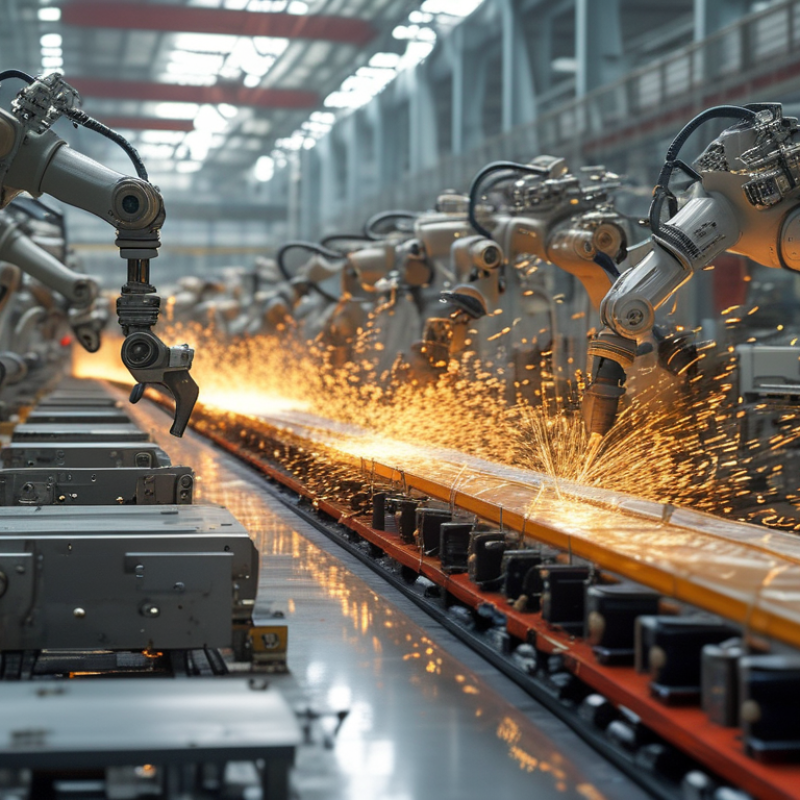
How To Enhance Manufacturing Flexibility in China Best Practices?

Understanding Manufacturing Flexibility and Its Importance in China

Manufacturing flexibility is crucial in today's fast-paced environment, especially in China. It allows companies to respond quickly to market changes and consumer demands. This adaptability can lead to better customer satisfaction and increased competitiveness. With rapid technological advancements, manufacturers face the challenge of integrating flexibility into their operations.

Understanding the importance of manufacturing flexibility involves recognizing its impact on supply chain efficiency. A flexible manufacturing system can adjust production lines swiftly. This capacity can minimize downtime and enhance productivity. Companies often implement modular designs and reprogrammable machinery for smoother transitions. Each step taken to embrace flexibility should be evaluated and improved consistently.

However, achieving flexibility is not without its challenges. Too much reliance on technology can lead to system vulnerabilities. Overlooking staff training can result in inefficiencies, as employees may struggle with the new systems. It is vital for businesses to constantly reflect on their practices and adapt their strategies to meet emerging demands effectively. Balancing flexibility with reliability requires ongoing assessment and adjustment of processes.

Key Factors Influencing Manufacturing Flexibility in Chinese Industries

Manufacturing flexibility in Chinese industries relies on several key factors. The ability to adapt processes quickly is essential. One critical element is workforce training. Skilled employees can switch tasks rapidly. This reduces downtime and enhances productivity. Investing in continuous learning is a must. Companies should focus on upskilling their workers regularly.

Another crucial aspect is integrating advanced technology. Smart manufacturing technologies, like IoT and AI, can significantly boost flexibility. They enable real-time data analysis, which helps in making informed decisions swiftly. However, not all firms have embraced these tools effectively. There is a need for further exploration into how technology can be used better. Some organizations still struggle with implementation challenges.

Supply chain management also plays a vital role. Establishing strong relationships with suppliers can enhance responsiveness. Firms should work to ensure that their supply chain is both agile and resilient. This requires ongoing communication and collaboration. However, many companies find it difficult to maintain this level of engagement. There’s a gap between intention and execution that needs addressing.

Enhancing Manufacturing Flexibility in China

Best Practices for Implementing Agile Production Techniques

In an era of rapid technological advancement, implementing agile production techniques in manufacturing is essential. These strategies enhance flexibility and responsiveness to market demands. Agile production allows manufacturers to rapidly adjust processes, allocate resources, and respond to shifts in consumer preferences.

Tips: Start with cross-functional teams. Encourage collaboration among different departments. This can streamline decision-making processes and improve communication. Next, invest in training your workforce. Equip them with skills in new technologies and methodologies. A knowledgeable team energizes the production floor and fosters a culture of innovation.

Adopting a modular approach can be beneficial. Modular systems enable swift adjustments to production lines. However, this approach requires careful planning. It might involve some trial and error as you find the right balance. Don’t overlook the importance of data analytics either. Using data effectively can inform your production decisions. This insight can sometimes reveal unexpected challenges that need addressing.

Continuous improvement is crucial. Keep track of what works and what doesn't. Reflect regularly on your processes. This can help you refine your agile strategies over time. Building flexibility into your manufacturing operations is an ongoing journey. Embrace the challenge.

Leveraging Technology to Enhance Flexibility in Manufacturing Processes

In today's evolving manufacturing landscape, leveraging technology is key to enhancing flexibility. Automated systems allow factories to pivot quickly in response to market changes. Advanced robotics can adapt to different tasks. This flexibility reduces downtime and increases output efficiency. However, not all technologies seamlessly integrate into existing processes. Assessing compatibility is essential before implementing new solutions.


Data analytics plays an important role in manufacturing flexibility. By analyzing production data, companies can identify bottlenecks. Insights from data allow for informed decisions to streamline operations. But the challenge remains in interpreting this data correctly. Manufacturers must invest time and expertise into data management to maximize its benefits. Misinterpreting data can lead to costly mistakes.


Moreover, employee training is crucial. Workers need to understand new technologies to maximize their potential. A lack of training can undermine the benefits of advanced systems. Continuous learning fosters an adaptable workforce, ready to embrace change. However, implementing effective training programs is often overlooked. Companies must prioritize education to fully realize technological advancements' potential.

Case Studies of Successful Flexible Manufacturing in China

Flexible manufacturing has become essential in China's industry. Several companies have pioneered practices that showcase the advantages of agility and adaptability. Case studies from various sectors reveal significant improvements in both efficiency and customer satisfaction.

One prominent example is a leading automotive manufacturer, which adopted modular production systems. This shift enabled them to produce a wider variety of models on the same assembly line. According to industry data, such strategies can reduce lead times by up to 20%. Furthermore, production variability increased by 30%, demonstrating the benefit of flexibility. Yet, challenges remain. Adapting workforce skills to new technologies can be slow and resource-intensive.

In the electronics sector, a high-tech firm implemented just-in-time (JIT) principles. This approach minimized excess inventory, allowing the company to respond rapidly to market changes. Industry analysts reported a 15% increase in overall equipment effectiveness (OEE) after adopting JIT. However, this strategy demands a finely tuned supply chain. Any disruption can lead to significant delays, highlighting the risks of flexible manufacturing. These case studies underscore both the potential and the pitfalls of flexible manufacturing in China.

FAQS

: What is manufacturing flexibility?

: Manufacturing flexibility allows companies to adapt quickly to market changes and consumer demands.

Why is manufacturing flexibility important?

It enhances customer satisfaction and increases competitiveness in a rapidly changing environment.

How can companies improve manufacturing flexibility?

Companies can implement modular designs and retrain staff regularly for better adaptability.

What role does technology play in manufacturing flexibility?

Advanced technologies enable real-time data analysis, improving decision-making but may introduce vulnerabilities.

Why is workforce training crucial?

Skilled employees can switch tasks quickly, reducing downtime and boosting productivity.

How should companies address implementation challenges?

Continuous reflection on practices and upskilling employees can mitigate struggles with new systems.

What is the significance of supply chain management?

Strong supplier relationships enhance responsiveness but require ongoing communication and collaboration.

What are some common pitfalls in pursuing flexibility?

Overreliance on technology and neglecting staff training can create inefficiencies.

How can agile production techniques be implemented?

Start with cross-functional teams and invest in workforce training for better collaboration and innovation.

What does continuous improvement entail?

Regular reflection on processes helps refine agile strategies and address unexpected challenges.

Conclusion

Manufacturing flexibility is vital for Chinese industries to adapt to fast-changing market demands. To understand how to improve manufacturing flexibility, one must first recognize its importance in maintaining competitiveness. Factors such as workforce adaptability, supply chain responsiveness, and production scalability significantly influence this flexibility in China's industrial landscape.

Implementing best practices such as agile production techniques allows manufacturers to quickly respond to market changes. Leveraging advanced technologies, like automation and data analytics, can further enhance these processes. Real-world case studies of successful flexible manufacturing illustrate how these strategies can lead to increased efficiency and better alignment with customer needs. Emphasizing these approaches can substantially improve manufacturing flexibility, positioning Chinese manufacturers for sustained growth in a dynamic environment.

Oliver

Oliver

Oliver is a seasoned marketing professional with a wealth of expertise in driving brand awareness and engagement. With a deep understanding of our company's product offerings, he consistently delivers high-quality content that enriches our professional blog. His insights not only shed light on......