In the rapidly evolving field of healthcare, equipment reliability is paramount. According to a report by the American Hospital Association, medical equipment failures can lead to delayed care or even patient harm. This underlines the critical need for strategies on "How To Improve Equipment Reliability In Healthcare." Experts believe that a systematic approach is necessary to ensure patient safety and improve operational efficiency.
Dr. Alice Johnson, a prominent figure in healthcare technology management, states, "Reliable medical equipment is the backbone of patient care." Her insights reflect the challenges faced by healthcare providers in maintaining equipment integrity. Nearly 30% of medical devices experience malfunction by their fifth year, which raises significant questions about maintenance practices and accountability.
Healthcare facilities must invest in regular training and technology upgrades to minimize risks. Asset management systems can track usage and performance, yet many organizations still struggle with outdated equipment. This situation prompts a reflection on our strategies and readiness to adapt. Finding effective, reliable solutions is not just ideal; it’s essential for healthcare success.
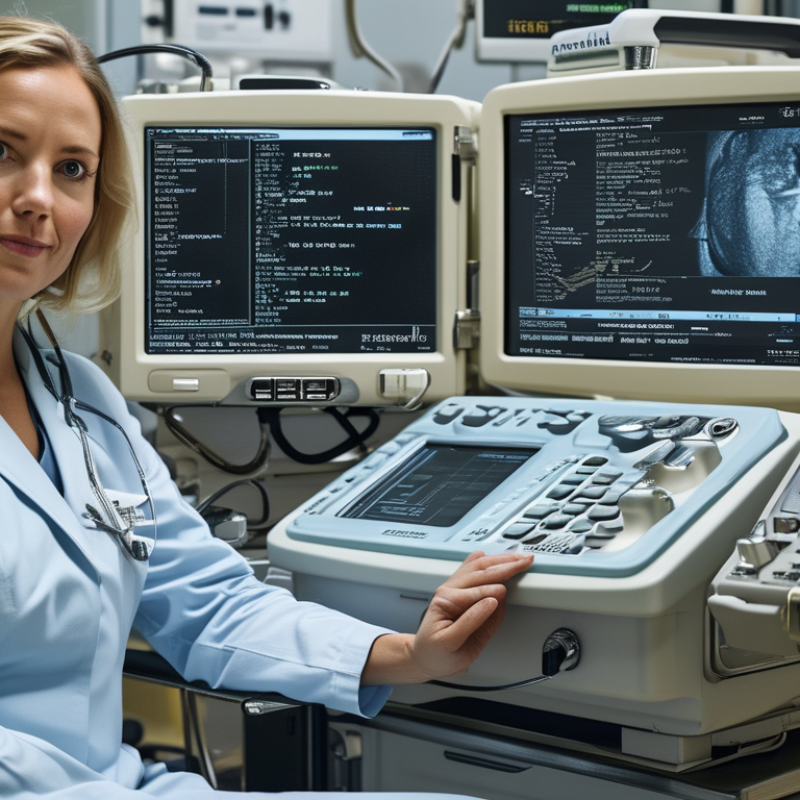
Regular maintenance of healthcare equipment is vital for ensuring patient safety. Scheduled inspections can identify wear and tear early. Establishing a checklist for routine checks can streamline the process. Staff should be trained to recognize signs of malfunction. Training increases awareness and promotes prompt reporting.
Having detailed logs for each piece of equipment helps track maintenance history. This allows facilities to anticipate potential failures. Consistent documentation improves accountability. It also aids in regulatory compliance. A transparent system can foster a culture of proactive care.
However, many facilities overlook regular maintenance due to high demands and limited staff. Balancing patient care and equipment upkeep can be challenging. Reflecting on past incidents can guide improvements. A commitment to better maintenance practices can enhance equipment reliability. This, in turn, supports higher quality patient care.
In a healthcare setting, the reliability of medical equipment is crucial. Implementing preventative maintenance programs can significantly improve this reliability. Regular inspection and servicing of devices ensure optimal performance. This reduces the risk of unexpected failures, which can compromise patient care. A structured approach allows healthcare facilities to stay ahead of issues.
One effective strategy is to schedule routine checks for each piece of equipment. This can include cleaning, calibration, and software updates. Keeping detailed records of maintenance activities is essential. This documentation not only aids compliance efforts but also helps in tracking the equipment’s performance trends over time. Engaging staff in this process can provide insights into usage patterns, which may reveal areas for improvement.
Creating a culture of accountability is vital. Encourage team members to report any anomalies during their shifts. This early detection can prevent larger issues from developing. Regular training sessions can help staff understand the importance of maintenance. An informed team is better equipped to handle equipment-related challenges. Recognizing that no system is perfect will foster a proactive mindset toward reliability.
Training staff on proper equipment usage and safety protocols is essential for maintaining equipment reliability in healthcare. Many healthcare facilities invest heavily in advanced medical devices. However, without proper training, even the best equipment can fall into disrepair. Staff may not understand how to operate machines correctly, leading to errors and potential safety issues.
Dedicated training programs can bridge this gap. They should focus on practical, hands-on experience with equipment. Simulations can help staff familiarize themselves with protocols in a low-pressure setting. Additionally, regular refresher courses can reinforce knowledge. This ongoing education ensures that staff feel confident and competent in their roles.
Moreover, feedback from staff about their training experience is crucial. It highlights areas for improvement in training materials and techniques. If the training feels disconnected from daily operations, it's less effective. Continuous improvement based on real experiences can lead to a more reliable healthcare environment. This proactive approach not only protects valuable equipment but also enhances patient safety and care quality.
In today's healthcare landscape, maintaining equipment reliability is critical. Utilizing technology for equipment monitoring plays a significant role in achieving this goal. Real-time data collection helps identify performance issues before they escalate. For instance, sensors can track usage patterns and alert staff to potential malfunctions. This proactive approach minimizes downtime and enhances patient care.
Performance tracking software is another valuable tool. It allows healthcare facilities to analyze equipment performance over time. Regular analysis can reveal trends and anomalies that may indicate the need for maintenance. Yet, reliance on technology does have its challenges. Staff training is essential; without proper use, the data may not be interpreted correctly.
Additionally, while technology offers solutions, it’s not infallible. Cybersecurity threats are real and can compromise data integrity. Regular audits and updates to systems are crucial to safeguard against these issues. Equipment can fail unexpectedly, making it essential to have contingency plans in place. By embracing technology while being aware of its limitations, healthcare organizations can enhance reliability effectively.
Establishing an effective inventory management system for medical equipment is crucial in healthcare. An organized inventory helps ensure that medical staff have access to the tools they need. Proper tracking of equipment reduces the risk of shortages or overstocking. When equipment is appropriately managed, it enhances overall patient care.
Implementing a digital inventory system can improve efficiency. This system should include real-time tracking and reporting capabilities. Staff can quickly locate equipment and monitor its usage. However, even the best systems can struggle with user compliance. Regular training sessions are essential. Hospital staff must understand the importance of accurate data entry.
Periodic audits are necessary for assessing inventory accuracy. These audits can reveal discrepancies in stock levels. Understanding why items are unaccounted for is critical. Sometimes, equipment breaks down or is misplaced. Addressing these issues helps refine the process. Continuous improvement ensures that the inventory system adapts to the evolving needs of the healthcare environment. Creating a responsive approach to inventory management can greatly enhance equipment reliability.
| Equipment Type | Total Units | Operational Uptime (%) | Average Maintenance Frequency (Months) | Last Maintenance Date |
|---|---|---|---|---|
| MRI Machine | 5 | 95% | 6 | 2023-07-15 |
| CT Scanner | 3 | 90% | 5 | 2023-08-10 |
| Ultrasound Machine | 10 | 92% | 8 | 2023-09-12 |
| Ventilator | 15 | 98% | 4 | 2023-06-20 |
| Diagnostic Equipment | 20 | 93% | 7 | 2023-05-18 |
: It ensures patient safety and identifies potential issues early through scheduled inspections.
By keeping detailed logs for each piece of equipment, facilities can monitor maintenance activities effectively.
Training helps staff recognize malfunctions early and promotes timely reporting for safety and reliability.
There are high demands and limited staff, making it hard to balance patient care with equipment upkeep.
It enhances equipment reliability and supports higher quality patient care overall.
They should include practical experience and regular refresher courses to boost staff confidence in using equipment.
It identifies areas needing improvement, ensuring training remains relevant and effective in daily operations.
Improper use of equipment can lead to errors and significant safety issues in patient care.
Ongoing education, including regular refresher sessions, is necessary to keep knowledge current and applicable.
If training does not reflect daily experiences, it will be less effective and may not prepare staff adequately.
In the healthcare sector, ensuring equipment reliability is crucial for delivering quality patient care. To address the question of "How To Improve Equipment Reliability In Healthcare," several strategies can be implemented. Regular maintenance of medical equipment is key, involving scheduled inspections and servicing to prevent malfunctions. Additionally, establishing preventative maintenance programs can help detect potential issues before they escalate, thus enhancing the overall performance of medical devices.
Training healthcare staff on the proper usage and safety protocols of equipment cannot be overlooked, as knowledgeable personnel significantly reduce the risk of user error. Moreover, utilizing technology for real-time monitoring and performance tracking allows for proactive management of equipment health. Finally, an effective inventory management system ensures that all medical devices are accounted for and in good working order. By combining these strategies, healthcare facilities can significantly boost their equipment reliability.
Hanora Medical