In today's dynamic healthcare landscape, choosing the right packaging solutions is critical. Dr. Emily Johnson, a renowned expert in medical packaging, states, "Effective packaging ensures safety and enhances patient experience." This highlights the importance of informed decisions in the industry.
How to choose packaging solutions for healthcare requires understanding diverse needs. Packaging must protect contents, ensure sterility, and facilitate ease of use. Each product type demands tailored solutions. For instance, blister packs are essential for medications, while sterile containers are vital for surgical instruments.
However, the process is not without challenges. Many organizations struggle with balancing cost and quality. Selecting the wrong materials can compromise safety. Hence, engaging with trusted suppliers and performing thorough evaluations is imperative. Fostering these relationships can improve decision-making and lead to sustainable choices in healthcare packaging.
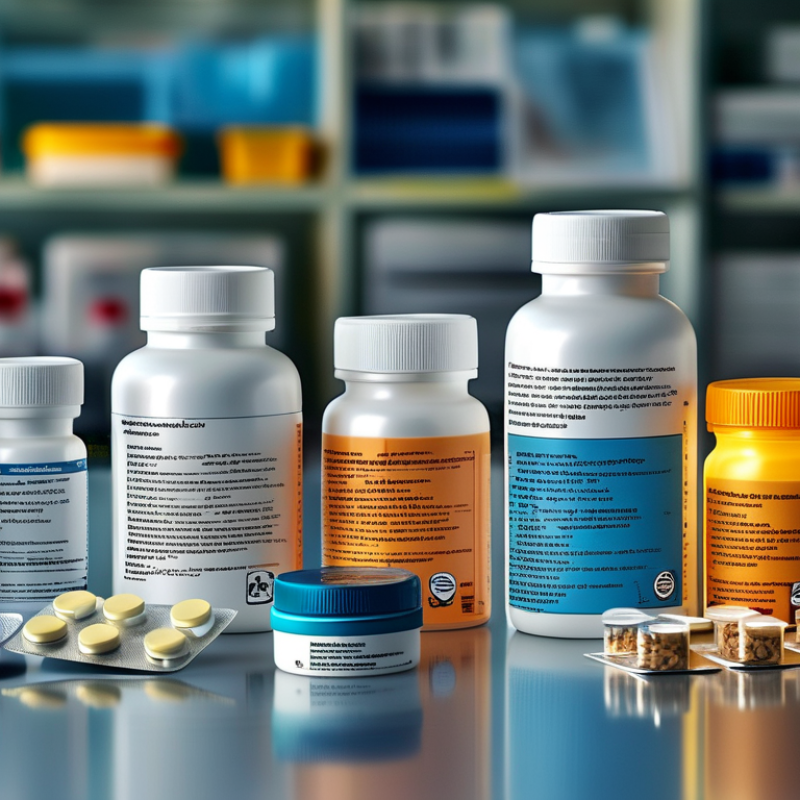
Understanding the Importance of Healthcare Packaging in the Industry
Healthcare packaging plays a crucial role in ensuring patient safety and effective delivery of medical products. According to a report by the Healthcare Packaging Association, poor packaging can lead to an estimated loss of $10 billion annually due to product recalls and waste. Thus, the choice of packaging solutions is vital for manufacturers and healthcare providers alike.
Effective healthcare packaging addresses various factors such as sterilization, temperature control, and user accessibility. For instance, child-resistant packaging is essential for substances that may be harmful if ingested by children. The importance of such features cannot be overstated. Studies show that compliant packaging reduces the risk of contamination by over 30%. However, achieving these standards can be challenging, resulting in the need for continuous monitoring and improvement.
Despite advancements, the industry still faces challenges with sustainable materials. A report by Deloitte highlights that approximately 25% of healthcare packaging materials are not recyclable. This inefficiency raises questions about long-term sustainability in products that must balance safety and environmental responsibility. The healthcare sector must continue to innovate while addressing these critical issues.
Key Factors to Consider When Choosing Packaging Materials
When choosing healthcare packaging materials, it’s essential to focus on several key factors. The first is material compatibility. The chosen packaging must protect the contents from environmental factors. For example, moisture can degrade certain medications. Using materials that resist moisture or light helps maintain integrity.
Another important factor is regulatory compliance. Healthcare packaging must meet industry standards to ensure safety. This includes understanding the materials that are permissible for specific applications. Non-compliance can lead to serious consequences, including product recalls.
Lastly, consider sustainability in packaging solutions. Eco-friendly materials are becoming vital in the healthcare sector. However, the challenge is balancing sustainability with functionality. Many businesses are still exploring effective biodegradable options. They often wonder if these choices compromise safety or usability. This ongoing consideration is crucial for long-term success in healthcare packaging.
Healthcare Packaging Solutions: Key Factors Considered
Evaluating Regulatory Compliance and Industry Standards
Choosing healthcare packaging solutions requires a thorough understanding of regulatory compliance and industry standards. These frameworks ensure that products are safe, effective, and available to those in need. Each region may have different regulations, making it crucial to stay informed about local and global guidelines. Consider certifications like ISO standards. They provide a reliable benchmark for quality and safety.
The packaging must also meet specific criteria. This includes barrier protection, which is vital for preserving product integrity. Packaging should be designed to minimize contamination risks. Understanding the requirements for labeling is equally important. Labels must convey clear information about usage, safety, and disposal. A lack of clarity can lead to errors.
One challenge is rapidly changing regulations. Staying compliant demands continuous learning and adaptation. Some companies may rush to meet deadlines, risking compliance on the packaging. It’s essential to prioritize quality over speed. Effective packaging solutions not only safeguard the product but also build trust with consumers and healthcare providers.
Assessing Cost-Effectiveness and Supply Chain Considerations
Choosing the right healthcare packaging is more than a design decision; it impacts the entire supply chain. Cost-effectiveness is a critical factor for healthcare organizations. According to a recent report by Research and Markets, the global healthcare packaging market is projected to reach USD 150 billion by 2027, highlighting its strategic importance.
Cost considerations often dictate material selection. Lightweight and recyclable materials reduce shipping costs and waste. However, finding the balance between durability and cost is challenging. A study by Smithers Pira indicated that packaging waste can account for up to 25% of the total supply chain costs. This emphasizes the need to assess long-term investments rather than opting for the cheapest short-term solutions.
Supply chain reliability is another key aspect. Disruptions can have severe consequences on patient care. A report from the World Health Organization noted that over 60% of hospitals experienced supply chain issues during the pandemic. Effective healthcare packaging must include considerations for inventory management and product protection. It’s not just about cost; it’s about building a resilient, sustainable system.
Exploring Innovative Technologies in Healthcare Packaging Solutions
In the rapidly evolving healthcare industry, innovative technologies in packaging solutions are essential. The global healthcare packaging market is projected to reach $183 billion by 2027, growing at a CAGR of 6.3%. This surge highlights the need for reliable, efficient, and compliant packaging methods that prioritize both safety and sustainability.
One example is the development of smart packaging technologies. These solutions include sensors that monitor temperature and humidity, ensuring product integrity. According to a recent study, smart packaging can reduce spoilage by up to 30%. However, implementing such technologies can be a challenge. Organizations may face hurdles, including high initial costs and the need for specialized training. Additionally, the integration of these technologies requires careful consideration to ensure compliance with regulations.
Another notable innovation is the shift towards eco-friendly materials. A report by the MarketsandMarkets indicates that sustainable packaging solutions are expected to grow at a rate of 5.1%, reflecting increased consumer and regulatory pressures. Nevertheless, many companies struggle to balance sustainability with functionality. They must assess the trade-offs between using recyclable materials and maintaining product protection standards. This ongoing challenge forces the industry to rethink traditional packaging paradigms.
Conclusion
Choosing the right packaging solutions for healthcare is crucial for ensuring product safety, compliance, and efficiency. Understanding the importance of healthcare packaging in the industry involves recognizing its role in protecting products, ensuring patient safety, and maintaining regulatory standards. When considering how to choose packaging solutions for healthcare, key factors include selecting appropriate materials that meet specific requirements, evaluating regulatory compliance and industry standards, and assessing cost-effectiveness alongside supply chain considerations.
Moreover, exploring innovative technologies in healthcare packaging can provide enhanced functionality and sustainability. By taking into account these factors, healthcare providers and manufacturers can make informed decisions that not only comply with regulations but also optimize operational efficiency and contribute to overall patient care.

 Hanora Medical