10 Effective Tips to Improve Sterility in Production Lines?

Time:2026-06-01 Author:Madeline
0%

In today’s competitive manufacturing landscape, ensuring product sterility is paramount. Many production lines struggle to maintain high standards of cleanliness and safety. This challenge can lead to significant product recalls and financial losses. Understanding how to improve sterility in production lines is critical for any organization.

Implementing effective sterility protocols not only protects consumer health but also enhances brand reputation. Each step in the production line presents unique risks. Identifying these risks and addressing them is essential for success. For instance, proper air filtration and handling procedures can significantly reduce contamination sources.

However, many companies overlook routine audits and staff training. These practices can make or break sterility efforts. Reflecting on current procedures may reveal gaps. Continuous improvement cycles, including feedback mechanisms, can foster a culture of safety. By prioritizing sterility, organizations can ensure their processes are robust and reliable.
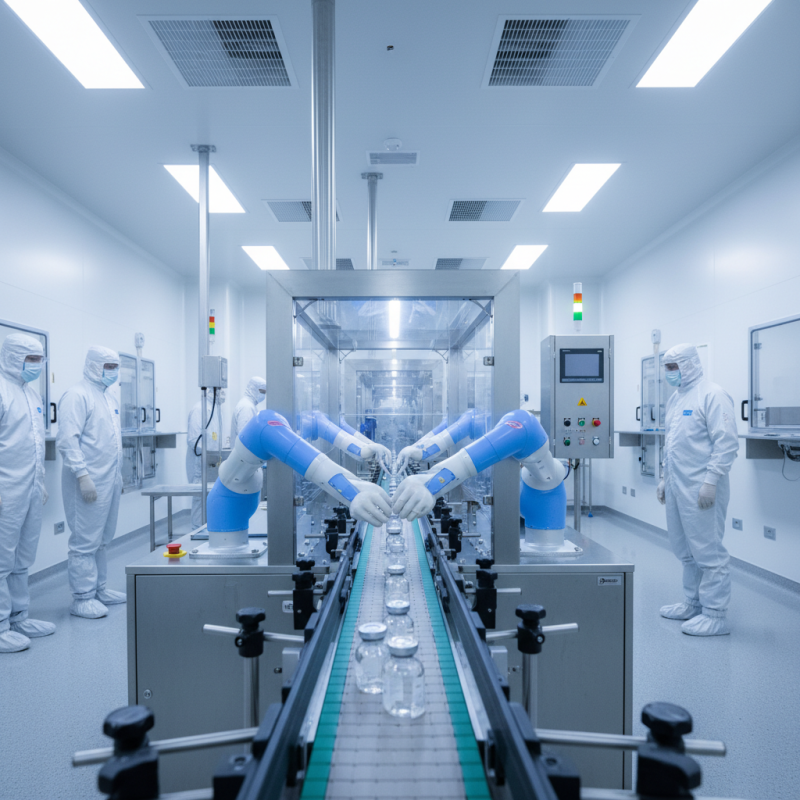
10 Effective Tips to Improve Sterility in Production Lines?

Best Practices for Designing Sterile Production Environments

Creating a sterile production environment is crucial for industries such as pharmaceuticals and biotechnology. A well-designed space minimizes contamination risks. Effective airflow management is essential. High-Efficiency Particulate Air (HEPA) filters can help trap airborne particles. The layout should facilitate smooth workflow while preventing cross-contamination. Each segment of the production line must be clearly designated.

Materials should be easy to clean. Non-porous surfaces are ideal. The choice of tools and equipment is also vital. They should be made from materials that resist bacteria. Regular maintenance schedules are necessary for all equipment. However, it is important to assess whether they are followed correctly. Employee training is another critical element. Team members should be aware of best hygiene practices.

Even with rigorous precautions, challenges can arise. Unforeseen issues can cause contamination lapses. Regular audits and feedback loops help identify weaknesses. Continuous improvement is essential for maintaining sterility in production lines. Reflecting on these practices can lead to significant advancements in production quality.

10 Effective Tips to Improve Sterility in Production Lines

Tip Number Tip Description Implementation Strategy Frequency of Review
1 Regular Cleaning Schedules Daily cleaning of all surfaces with sterile agents Daily
2 Controlled Access Points Limit personnel entry to essential staff only Ongoing
3 Personal Protective Equipment Mandate use of gloves, masks, and gowns Continuous
4 Air Filtration Systems Install HEPA filters and regular maintenance Monthly
5 Material Handling Protocols Use sterile materials and protocols for transferring items Every use
6 Routine Monitoring Conduct microbial testing regularly Monthly
7 Employee Training Programs Regular training on aseptic techniques Biannually
8 Environmental Monitoring Maintain a log of environmental conditions Weekly
9 Use of Disinfectants Implement a disinfectant rotation schedule Monthly
10 Regular Equipment Maintenance Schedule maintenance for all sterilization equipment Quarterly

Implementing Regular Training Protocols for Staff Hygiene Compliance

Implementing regular training protocols for staff hygiene compliance is essential in maintaining sterility in production lines. It ensures that every employee understands the importance of cleanliness. A well-trained team can identify potential contamination risks. Regular training sessions promote a culture of hygiene and accountability.

To enhance compliance, consider practical activities during training. Hands-on simulations can demonstrate proper handwashing techniques. Use visual aids to highlight critical touchpoints. Encourage questions from staff to clarify doubts. This approach can make training more effective and engaging.

Regular audits can highlight gaps in hygiene practices. These audits provide feedback on areas that need improvement. Staff should be encouraged to reflect on their daily routines. This reflection can lead to a deeper understanding of their role in maintaining sterility. Emphasizing accountability can foster a stronger commitment to hygiene practices.

Utilizing Advanced Cleanroom Technologies to Enhance Sterility

Cleanrooms play a crucial role in maintaining sterility in production lines. Advanced technologies have transformed how we view and implement cleanroom practices. High-efficiency particulate air (HEPA) filters, for example, effectively capture airborne particles. Monitoring systems ensure the environment remains controlled. Implementing these technologies isn't just optional; it is essential for safety.

Despite these advancements, there are challenges. Sometimes, equipment can malfunction, leading to potential contamination. Workers need proper training to maintain cleanliness standards. Regular audits can reveal weaknesses in protocols. It’s essential to remember that even minor errors can have significant impacts on sterility. Continuous evaluation helps identify areas for improvement, ensuring a consistently sterile environment.

Innovations in cleanroom designs also contribute to sterility. Modular cleanrooms allow for flexibility and quick adjustments. This adaptability is vital when production demands shift. Nonetheless, integrating new systems isn’t always straightforward. Transition phases can reveal gaps in performance. Addressing these challenges requires ongoing commitment and collaboration within teams to enhance overall effectiveness in cleanroom environments.

Routine Monitoring and Assessment of Air Quality in Production Areas

Maintaining air quality in production areas is vital for sterility. Regular air monitoring helps identify contaminants. According to a report by the Institute of Cleanroom Technology, over 40% of contamination events stem from airborne particles. Implementing a routine assessment can significantly reduce these risks.

Effective monitoring tools, such as particle counters, can provide real-time data on air quality. A study revealed that facilities using continuous air monitoring saw a 30% decrease in contamination incidents. Consistent evaluation enables teams to respond quickly to deviations.

Training staff on the importance of air quality is essential. Awareness of contamination sources can lead to proactive measures. Even with systems in place, occasional lapses occur. These moments signal a need for re-evaluation. Continuous improvement is key to sustaining sterility in production lines.

Establishing Effective Workflow Systems to Minimize Contamination Risks

In production lines, effective workflow systems play a crucial role in minimizing contamination risks. Research indicates that a staggering 70% of contamination arises from improper handling and inadequate workflows. Establishing clear protocols is essential. Training staff on hygiene practices can significantly reduce contamination events. Regular audits can help identify weaknesses in the workflow and ensure adherence to sterilization processes.

Utilizing technology can also enhance workflow efficiency. Automation, such as robotic systems, has proven to cut contamination incidents by up to 50%. However, it’s important to remember that technology alone isn’t enough. Human oversight remains critical. Workers must be vigilant and proactive, addressing potential contamination issues swiftly.

Designing an ergonomic workspace reduces physical strain and errors, improving overall sterility. However, feedback from the staff is often overlooked. Engaging with employees can uncover hidden risks within the workflow. The industry standard suggests implementing continuous improvement practices. This ongoing effort keeps the systems dynamic and responsive, ultimately leading to a safer production environment.

10 Effective Tips to Improve Sterility in Production Lines

This chart illustrates the effectiveness of various measures implemented to improve sterility in production lines. The data represents the percentage of contamination occurrences before and after implementing these measures over a period of six months.

FAQS

: Why is regular training important for staff hygiene compliance?

: Regular training helps employees understand the importance of cleanliness and promotes a culture of accountability.

How can hands-on activities enhance training effectiveness?

Practical activities, like simulations, demonstrate proper handwashing techniques and engage staff in learning.

What role do audits play in maintaining hygiene practices?

Audits identify gaps in hygiene routines and provide feedback for improvement, encouraging staff reflection.

Why is advanced technology crucial in cleanroom environments?

Advanced technologies, like HEPA filters, capture airborne particles, ensuring a controlled and sterile environment.

What challenges might arise with cleanroom technologies?

Equipment malfunctions can lead to contamination risks, highlighting the need for ongoing staff training.

How can air quality impact production areas?

Poor air quality can lead to contamination; regular monitoring minimizes risks and maintains sterility.

What tools can be used for air quality monitoring?

Particle counters provide real-time data, helping teams quickly address air quality deviations.

How can staff awareness improve air quality?

Understanding contamination sources allows staff to implement proactive measures to maintain air quality.

What should teams do when lapses in protocols occur?

Lapses signal a need for re-evaluation and continuous improvement in hygiene practices.

What is the significance of reflecting on daily routines for staff?

Reflecting helps staff understand their role in hygiene, fostering a commitment to maintaining sterility.

Conclusion

To improve sterility in production lines, organizations must focus on several best practices that foster a controlled and hygienic environment. Effective design of sterile production areas is crucial, incorporating features that minimize contamination risks. Additionally, regular training protocols for staff hygiene compliance ensure that all team members understand and adhere to cleanliness standards.

Furthermore, utilizing advanced cleanroom technologies can significantly enhance the sterility of the production process. Routine monitoring and assessment of air quality in production areas is essential for identifying potential contamination sources and maintaining optimal conditions. Finally, establishing effective workflow systems minimizes the potential for cross-contamination, thereby ensuring higher sterility levels. By implementing these strategies, businesses can better address the question of how to improve sterility in production lines.

Madeline

Madeline

Madeline is a dedicated marketing professional with a wealth of expertise in our company's core offerings. With a keen understanding of the industry, she brings a unique perspective to her role, consistently delivering high-quality content that highlights the superior aspects of our products. As......