Creating and maintaining sterile production environments is a critical task in various industries, especially in pharmaceuticals and food production. How to maintain sterile production environments requires a deep understanding of cleanliness and contamination prevention. It involves meticulous planning and consistent execution of best practices. The challenge may seem daunting, but achievable goals lead to successful outcomes.
In sterile environments, even the smallest mistake can lead to contamination. Regular training for staff ensures they recognize the importance of their role in maintaining sterility. The implementation of strict protocols for cleaning and sanitization can make a significant difference. Monitoring air quality, surface cleanliness, and employee hygiene are essential components of the process.
Reflections on current practices can reveal areas for improvement. Routine audits may expose lapses in protocols that need addressing. Embracing technology can enhance monitoring but requires constant vigilance. Ultimately, maintaining sterile conditions demands both diligence and a commitment to continuous improvement.
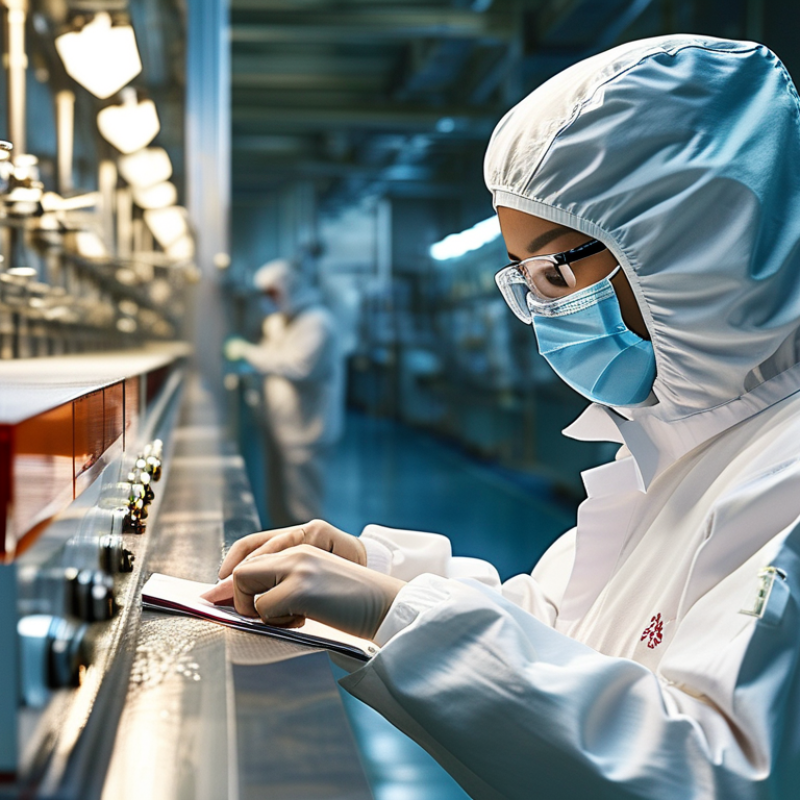
Best Practices for Sterile Production Environment Maintenance
Maintaining a sterile production environment is crucial for the integrity of products. Start with regular training of staff. They should understand contamination risks and the importance of personal hygiene. Wearing proper attire is vital, but even trivial mistakes can lead to failure. A hair out of place, or a forgotten glove, could compromise the entire environment.
Cleaning protocols need to be strictly followed. Cleaning agents should be approved and used correctly. While it’s easy to miss a corner, these spots can become breeding grounds for bacteria. Regular audits can help identify these issues. Ensure that all areas are monitored, and remind staff to report any irregularities.
Equipment maintenance plays a significant role as well. Regular checks prevent unexpected breakdowns. Dust accumulation can seem minor, but over time it can cause major issues. Create a checklist for equipment maintenance and ensure it’s followed. This may feel tedious, but it’s essential for a reliable sterile atmosphere. Remember, perfection is the goal, but human error can lead to learning opportunities.
Importance of Controlled Temperature and Humidity Levels in Clean Rooms
In cleanroom environments, controlling temperature and humidity is crucial. Studies show that a stable temperature range of 18-24°C is optimal for most sterile processes. Deviations can lead to contamination risks and impact product quality. Maintaining low humidity levels, ideally between 30% and 50%, is essential. High humidity can promote mold growth, while low humidity can cause static electricity issues.
Professionals emphasize that regular monitoring is necessary. Failure to maintain these parameters can lead to serious quality control problems. A 2022 report indicated that 40% of contamination incidents in clean rooms were linked to inadequate humidity management. This statistic highlights the importance of precise environmental controls in sterile production.
Implementing automated systems for monitoring can improve reliability. Manual checks may overlook subtle fluctuations. Additionally, staff training on the importance of these controls is vital. Even minor lapses can have significant consequences. An analysis revealed that up to 25% of cleanroom failures stemmed from human error. Consistent attention to these details is essential for maintaining a truly sterile environment.
Regular Monitoring and Validation Processes to Ensure Sterility
Maintaining a sterile production environment is essential for preventing contamination. Regular monitoring is a critical component. This includes routine checks of air quality, surfaces, and equipment. Microbial testing should be conducted frequently, and results must be documented meticulously. Failure to monitor these factors can lead to serious consequences, including product recalls.
Validation processes are equally important. They confirm that cleaning methods and sterilization techniques are effective. Each method should be tested and assessed periodically. Staff training is vital in this area, as even minor lapses can compromise sterility. Engaging employees in this practice fosters a culture of accountability.
It's crucial to analyze data from monitoring and validation processes. Patterns can reveal potential weaknesses. This can prompt improvements and adjustments. While systems may be in place, constant vigilance is necessary. The goal is to maintain high standards consistently. Over time, organizations must remain reflective, adapting strategies based on feedback and results.
Effective Cleaning Protocols: Disinfectants and Methods in Use
Maintaining sterile production environments requires robust cleaning protocols. Effective disinfection is vital in preventing microbial contamination. Regular surface cleaning must occur after each production cycle. Use a combination of detergents and EPA-approved disinfectants to eliminate bacteria and viruses. Ensure all staff are trained in these procedures. Without proper training, the effectiveness of cleaning diminishes.
Methods for application vary. Wiping surfaces with disinfectants can miss hard-to-reach areas. Misting or fogging provides coverage in larger spaces. However, these methods may leave residues. Evaluating the effectiveness of these cleaning methods is essential. Regularly reviewing cleaning logs helps identify potential gaps. It ensures accountability and maintains hygiene standards.
Sometimes, disinfection practices can become routine. Staff may overlook thorough cleaning due to complacency. Regular audits and spot checks can counter this issue. Encourage a culture of continuous improvement. This approach supports a commitment to staying sterile. Cleaning is not just a task; it’s a vital component of production safety.
China Best Tips for Maintaining Sterile Production Environments
| Cleaning Method |
Disinfectant Type |
Application Frequency |
Effectiveness (% Reduction of Contaminants) |
| Surface Cleaning |
Quaternary Ammonium Compounds |
Daily |
99.9% |
| Floor Cleaning |
Peracetic Acid |
Weekly |
99.8% |
| Equipment Disinfection |
Sodium Hypochlorite |
Before Each Use |
99.5% |
| Air Filtration |
HEPA Filters |
Monthly |
99.97% |
| Personal Protective Equipment (PPE) Maintenance |
Disinfectant Wipes |
After Each Use |
99.9% |
Employee Training: Key to Sustaining a Sterile Production Atmosphere
Maintaining a sterile production environment is vital in industries like pharmaceuticals and food processing. Employee training significantly influences this process. A report from the International Society for Pharmaceutical Engineering highlights that over 50% of contamination incidents occur due to human errors. Thus, fostering a culture of hygiene awareness is essential for companies aiming to sustain sterility.
Training should focus not only on protocols but also on hands-on practice. Workers must understand the role they play in contamination control. Regular workshops and refresher courses can enhance their skills. Additionally, companies should analyze training effectiveness through practical assessments. A study by the BioQuality Institute showed that organizations with robust training programs achieved a 30% reduction in contamination rates.
However, it’s crucial to acknowledge the evolving nature of sterile standards. Regular updates to training materials based on emerging technologies or regulatory changes are necessary. Sometimes, outdated training methods still persist, impacting compliance. Employees must feel empowered to voice concerns about procedures. Constant feedback can help iteratively improve protocols, creating a more robust sterile environment.
Conclusion
Maintaining a sterile production environment is crucial for industries such as pharmaceuticals and biotechnology. To achieve this, it is essential to implement best practices tailored for such settings. Key strategies include strict control of temperature and humidity levels within clean rooms, ensuring that conditions are optimized for sterility. Regular monitoring and validation processes play a vital role in confirming that these environments remain uncontaminated and effective.
Additionally, employing effective cleaning protocols, including the use of appropriate disinfectants and methods, is fundamental in maintaining hygiene. However, the cornerstone of sustaining a sterile production atmosphere lies in comprehensive employee training. Staff must be well-versed in procedures and best practices on how to maintain sterile production environments, as their diligence directly influences the overall effectiveness of the sterile operations.

 Hanora Medical