How to Ensure Best Practices in Medical Equipment Maintenance?

Time:2026-06-04 Author:Liam
0%

Medical equipment plays a crucial role in modern healthcare. Ensuring its proper maintenance is essential for patient safety and operational efficiency. According to the American Hospital Association, nearly 15% of hospital budgets are allocated to medical equipment. This underscores the importance of adopting Medical Equipment Maintenance Best Practices. Effective maintenance can reduce equipment downtime by up to 30%, enhancing care delivery.

However, many facilities struggle with maintenance protocols. A recent study highlighted that 40% of hospitals do not adhere to recommended maintenance schedules. This not only jeopardizes patient safety but can also lead to costly repairs. Companies must evaluate their maintenance processes critically. They must ensure that their practices align with industry standards and regulations to prevent such pitfalls.

Implementing best practices can significantly improve overall performance and reliability. Regular training and audits are vital in fostering a culture of excellence in maintenance. Embracing technology further supports these efforts. When practices are thoughtfully analyzed and adapted, organizations can better protect their investments while ensuring high-quality patient care.
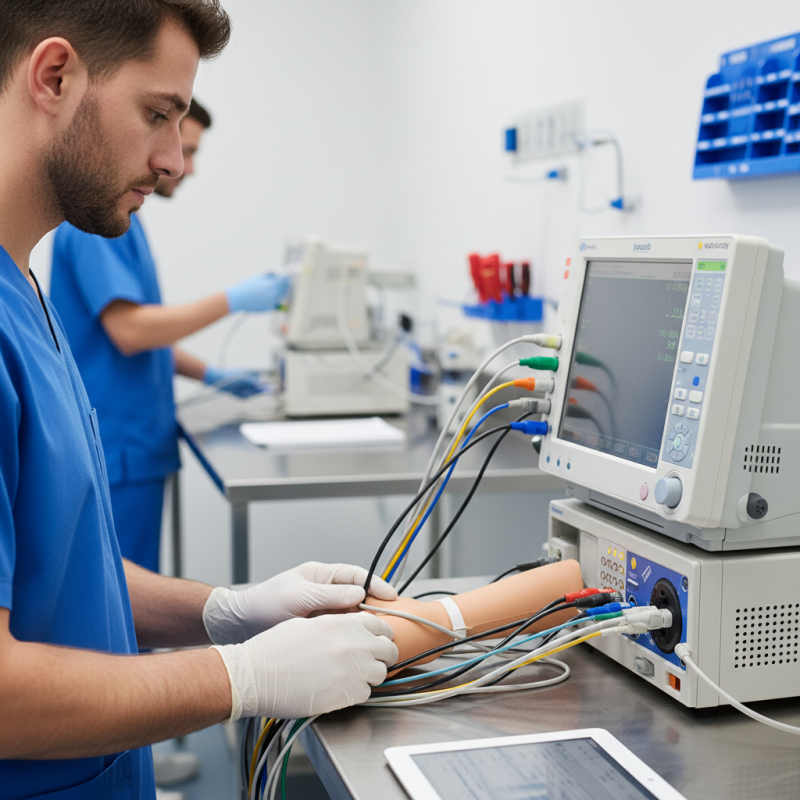
How to Ensure Best Practices in Medical Equipment Maintenance?

Identify Critical Medical Equipment for Maintenance Prioritization

Identifying critical medical equipment is essential for effective maintenance prioritization. Studies show that hospitals can lose up to 2 million dollars per year due to equipment failures. This makes it vital to focus on equipment that has a direct impact on patient care. High-risk devices, such as ventilators and defibrillators, must receive the highest priority. Regular maintenance can prolong their life and ensure reliability.

In a recent report, it was found that 15% of medical equipment is often underutilized. This indicates a need for better inventory management. Each piece of equipment should have defined metrics for usage and performance. Tracking these metrics can guide maintenance schedules effectively. Facilities should also consider redundancy in critical equipment to minimize downtime during maintenance.

However, not all organizations follow optimal practices. Inconsistent documentation may lead to overlooking essential repairs. Developing a culture of accountability within the maintenance team can address this. Training staff on the importance of regular inspections can also bridge existing gaps. Equipment maintenance is not just a technical issue but a vital part of patient safety and care quality.

How to Ensure Best Practices in Medical Equipment Maintenance? - Identify Critical Medical Equipment for Maintenance Prioritization

Equipment Type Priority Level Maintenance Frequency Last Maintenance Date Next Scheduled Maintenance
MRI Machine High Monthly 2023-09-15 2023-10-15
Ventilator High Weekly 2023-10-01 2023-10-08
Ultrasound Machine Medium Quarterly 2023-07-10 2023-10-10
Infusion Pump Medium Monthly 2023-09-20 2023-10-20
X-ray Machine Low Biannually 2023-01-15 2023-11-15

Establish Regular Maintenance Schedules and Protocols

Establishing regular maintenance schedules for medical equipment is critical in healthcare settings. According to a report from the Food and Drug Administration (FDA), poor maintenance practices can lead to equipment failures, affecting patient safety and care quality. A consistent maintenance protocol minimizes risks and enhances operational efficiency.

Regularly scheduled maintenance helps identify potential issues early. For instance, implementing biannual inspections can prevent up to 70% of equipment failures. It's essential to document all maintenance activities meticulously. This creates a reliable history of the equipment's performance and helps in trend analysis for future improvements.

**Tips:**
Involve staff in the scheduling process. Their hands-on experience can highlight important maintenance needs.
Establish a checklist based on manufacturer recommendations. This allows for standardization and thoroughness in inspections.
Set reminders for upcoming maintenance tasks. Regular alerts help ensure that no aspect of care is overlooked.

Despite best efforts, some facilities struggle with adherence to maintenance schedules. This inconsistency can stem from staff turnover or lack of training. Addressing these challenges requires a commitment to ongoing staff education and a culture that prioritizes equipment reliability.

Maintenance Frequency of Medical Equipment

This bar chart illustrates the recommended maintenance frequency for various types of medical equipment within a year. Regular maintenance is essential to ensure the reliability and safety of these devices.

Train Staff on Equipment Use and Maintenance Procedures

Training staff on equipment use and maintenance is essential for ensuring best practices in medical equipment maintenance. Well-informed staff can prevent costly breakdowns and enhance patient safety. Regular training sessions offer opportunities to review procedures and updates on equipment. Hands-on training enhances understanding and builds confidence.

It is important to recognize that not all staff may grasp technical details easily. Some may struggle with complex equipment functionality. Providing visual aids, such as diagrams or videos, can help illustrate key concepts. This approach fosters a clearer understanding and encourages staff to ask questions, knowing they may need further clarification.

Periodic assessments can help identify training gaps. These assessments encourage a culture of continuous learning. Staff should feel empowered to share challenges related to equipment maintenance. Building a supportive environment can lead to more effective practices. Ultimately, empowering staff through training ensures that medical equipment operates efficiently and safely.

Utilize Technology for Monitoring and Reporting Equipment Status

In modern healthcare, technology plays a crucial role in maintaining medical equipment. Utilizing technology for monitoring and reporting equipment status ensures swift responses to issues. Real-time data collection can enhance reliability. Sensors can alert staff when a device malfunctions, ensuring quicker repairs and maintaining patient safety.


Tips for effective monitoring:

  • - Regularly update software that tracks equipment status.
  • - Train your staff to respond quickly to alerts.
  • - Use dashboards that display real-time equipment health.

Reliance on technology does come with challenges. Not all systems integrate seamlessly. Staff may require ongoing training to keep pace with new tools. This leads to potential gaps in knowledge and delayed response times. Regularly reassess your training programs to address this.


Incorporate feedback loops into the monitoring process. Staff can provide insights on technology usability. Collect insights on device performance post-maintenance to refine processes. Staying proactive improves the overall maintenance strategy and supports a culture of continuous improvement.

Document Maintenance Activities and Track Performance Metrics

Documenting maintenance activities and tracking performance metrics are crucial for ensuring best practices in medical equipment maintenance. It reflects a commitment to safety and efficiency. Records should capture the date, type of maintenance, and any issues noted. This creates a clear history of equipment performance. Healthcare facilities can assess trends and identify potential problems early.

Performance metrics serve as benchmarks. Metrics like downtime, repair frequency, and response times enable facilities to gauge efficiency. These figures should be regularly analyzed. If a piece of equipment fails frequently, it might suggest a need for deeper investigation. Relying on performance data can enhance decision-making. It reveals patterns that may not be apparent otherwise.

However, maintaining documentation and metrics isn’t without challenges. Staff may overlook entries or lack training on proper protocols. Regular audits of maintenance logs can help ensure compliance. Engaging all team members in this process fosters a culture of accountability. This proactive approach will ultimately lead to better equipment reliability and patient safety. Adjustments to common practices might also be necessary based on findings.

FAQS

: Why is regular maintenance important for medical equipment?

: Regular maintenance is crucial to prevent equipment failures and ensure patient safety.

How often should maintenance inspections be performed?

Biannual inspections can prevent up to 70% of equipment failures.

What should be documented during maintenance activities?

Document the date, type of maintenance, and any noted issues for a clear performance history.

What are performance metrics in maintenance?

Metrics include downtime and repair frequency, helping gauge equipment efficiency.

What issues can arise with maintenance adherence?

Staff turnover and lack of training can lead to inconsistent adherence to schedules.

How can staff be involved in the maintenance process?

Involving staff can help identify critical maintenance needs based on their hands-on experience.

What challenges do facilities face in documentation?

Staff may overlook entries or lack proper training, leading to incomplete records.

How can facilities improve documentation compliance?

Regular audits of maintenance logs can promote accountability and adherence to protocols.

What should be done if equipment fails frequently?

Analyze performance data to investigate underlying issues and adjust practices accordingly.

Why is it important to track maintenance performance over time?

Tracking reveals patterns that help improve decision-making and enhance equipment reliability.

Conclusion

Ensuring Medical Equipment Maintenance Best Practices is essential for optimal healthcare delivery. This begins with identifying critical medical equipment that requires prioritization in maintenance efforts. Establishing regular maintenance schedules and protocols helps to mitigate risks associated with equipment failure. Furthermore, training staff on the proper use and maintenance procedures enhances operational efficiency and safety.

Utilizing technology for monitoring and reporting equipment status can provide real-time insights, allowing for proactive maintenance interventions. Documenting maintenance activities and tracking performance metrics are also crucial for assessing the effectiveness of maintenance strategies and ensuring compliance with healthcare regulations. By implementing these best practices, healthcare facilities can maintain high standards of equipment functionality and ultimately improve patient care outcomes.

Liam

Liam

Liam is a dedicated marketing professional with a profound expertise in the industry, where he excels at highlighting the unique advantages of our core products. With a keen understanding of market trends and consumer needs, Liam frequently updates our company’s professional blog, providing......