Top Automation Trends Revolutionizing Medical Manufacturing in 2026?

Time:2026-05-19 Author:Aria
0%

The landscape of medical manufacturing is evolving rapidly due to Automation Trends In Medical Manufacturing. By 2026, experts predict that automation will enhance efficiency and precision in production processes. A recent report by Deloitte indicates that automation can reduce manufacturing costs by up to 30%. This significant reduction appeals to businesses facing rising expenses.

With the integration of AI and robotics, manufacturers can streamline operations. For instance, robotics used in assembly lines can work alongside human workers. This collaboration leads to fewer errors and increased output. Yet, the journey toward full automation is not without obstacles. Many companies grapple with high initial investment costs and training workforce challenges.

Moreover, regulatory compliance remains a vital concern. Companies must ensure that automated processes meet stringent healthcare standards. While automation promises numerous benefits, the industry must maintain a balance between innovation and regulatory adherence. As the sector navigates these advancements, it must continuously reflect on the implications of such trends for overall quality and safety in medical manufacturing.
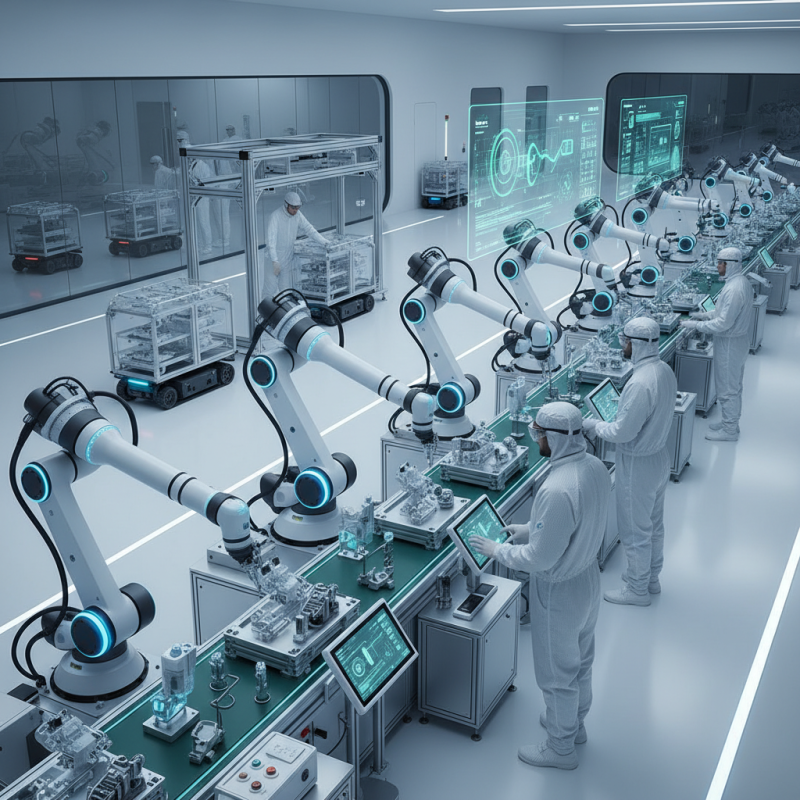
Top Automation Trends Revolutionizing Medical Manufacturing in 2026?

Emerging Technologies Shaping Medical Manufacturing Automation in 2026

The landscape of medical manufacturing is evolving rapidly, propelled by emerging technologies. In 2026, automation practices are increasingly becoming integral to this sector. Advanced robotics are streamlining production lines, enhancing both speed and accuracy. These robots can execute complex tasks, reducing the margin for human error. Their integration allows for higher output while maintaining stringent quality standards.

Artificial intelligence is also transforming medical manufacturing. AI systems are analyzing vast amounts of data to predict maintenance needs, preventing costly downtimes. This data-driven approach fosters proactive solutions, though it raises concerns about data privacy and security. Healthcare manufacturers must navigate these issues carefully, ensuring patient data remains protected.

3D printing is redefining how devices are created. This technology enables rapid prototyping, allowing developers to iterate designs quickly. However, it comes with challenges. Sourcing materials and ensuring consistency are critical hurdles. Thoughtful reflection is necessary to ensure that these innovations truly enhance patient care without introducing new risks. As we move forward, balancing innovation with responsibility will be key in medical manufacturing automation.

Impact of AI and Machine Learning on Production Processes in Healthcare

The integration of AI and machine learning in medical manufacturing is changing the landscape. These technologies streamline production processes and enhance efficiency. By analyzing large data sets, they help identify patterns that can reduce downtime. Machines learn from previous errors, so they constantly improve over time.

Automation increases the speed of production. However, it also raises questions about quality control. Not all AI systems are infallible. Mistakes can still occur due to unforeseen variables. Researchers emphasize the importance of human oversight, ensuring that technology supports rather than replaces human judgment.

Moreover, AI can optimize supply chains. It predicts shortages and adjusts orders accordingly. This dynamic adjustment stabilizes inventory levels. Yet, reliance on AI brings its own challenges. Decision-makers must be cautious about over-automation. Balancing technology with human intuition is essential for sustaining quality in healthcare manufacturing.

Advancements in Robotics and Automation for Precision Medical Devices

In 2026, advancements in robotics and automation will reshape medical device manufacturing. The expanding use of autonomous robots aims to enhance precision in this critical field. Industry reports indicate that automation can reduce production errors by up to 30%. Such precision is vital in creating devices like surgical instruments and diagnostic equipment.

Robots equipped with artificial intelligence are increasingly adopted. These AI-driven machines can learn from their environment and improve over time. They streamline workflows and enable rapid prototyping of new medical devices. A recent study showed a 40% increase in efficiency when using automated systems in assembly lines. However, reliance on automation has its challenges. Systems require regular updates and maintenance to function optimally.

While automation offers precision, it raises questions about the future workforce. The shift to automated processes can lead to job displacement. Balancing these advancements with human expertise is crucial. Ensuring a skilled workforce can adapt to new technologies is vital for the industry’s future. The evolving landscape invites reflection on how to harmonize innovation with human involvement.

Top Automation Trends Revolutionizing Medical Manufacturing in 2026

Trend Description Impact on Medical Devices Projected Growth (%)
Collaborative Robots (Cobots) Robots designed to work alongside human workers, enhancing productivity. Improves precision in manufacturing processes of delicate devices. 30%
AI & Machine Learning Integration of AI for predictive maintenance and quality assurance. Enhances quality control and reduces production errors. 40%
3D Printing Additive manufacturing technology for creating complex designs. Allows customization of medical devices tailored to individual patients. 25%
Internet of Medical Things (IoMT) Network of connected devices that share data for better patient outcomes. Enables remote monitoring and real-time data analysis. 35%
Automation in Quality Control Using automated systems for testing and validation processes. Increases efficiency and reliability in product evaluation. 28%

Integration of IoT for Real-time Monitoring in Medical Manufacturing

The integration of the Internet of Things (IoT) in medical manufacturing is transforming the industry. Real-time monitoring is becoming essential for enhancing production quality and efficiency. Sensors embedded in manufacturing equipment collect data, providing immediate insight into operational performance.

This technology allows manufacturers to track the condition of machinery continuously. If a piece of equipment shows signs of wear, alerts are sent out instantly. With this capability, manufacturers can minimize downtime. This proactive approach reduces the risk of defective products.

However, the reliance on IoT also presents challenges. Data security is a critical concern. As more devices connect to the internet, the risk of cyber attacks increases. Additionally, the complexity of integrating IoT systems can be daunting for smaller manufacturers. Balancing innovation with security and simplicity is crucial for progress in the industry.

Sustainability and Efficiency in Automated Medical Device Production

As we look toward 2026, the medical manufacturing landscape is evolving rapidly. Automation plays a pivotal role in enhancing sustainability and efficiency in medical device production. Adopting smart technologies reduces waste and minimizes environmental impact. Automated processes streamline production lines, leading to lower energy consumption. This shift promotes greener practices, crucial in today’s climate-sensitive world.

Consider implementing energy-efficient machinery. It can significantly cut down operational costs. Another tip is to regularly review and adjust production protocols. Small changes in workflows can lead to enhanced sustainability. Moreover, training staff on new tech ensures everyone contributes to a greener future.

The challenge remains in finding balance. Automation may create concerns over job displacement. Investing in upskilling programs can alleviate these fears. It's essential to foster an environment where human expertise complements machine efficiency. Flexibility in adapting to new technologies will drive continuous improvement in medical manufacturing.

FAQS

: How will robotics change medical device manufacturing?

: Robotics will enhance precision and reduce production errors in medical devices significantly.

What are the benefits of using AI in manufacturing?

AI can learn and improve processes, leading to a 40% increase in efficiency on assembly lines.

What challenges arise from increasing automation?

Automation requires regular updates and maintenance to ensure optimal performance.

Will automation affect job opportunities?

Yes, automation can lead to job displacement, but balancing technology with human expertise is crucial.

How can companies promote sustainability in production?

Adopting smart technologies can reduce waste and lower energy consumption in medical device production.

What steps can enhance sustainability in workflows?

Small changes and regular reviews of production protocols can lead to more sustainable practices.

How can workers adapt to new technologies?

Investing in upskilling programs helps workers adjust and thrive alongside automated systems.

Are there any concerns about relying too much on automation?

Yes, over-reliance could create a disconnect between technology and human involvement in manufacturing.

How can companies balance automation with human skills?

Fostering an environment where human expertise complements machine efficiency is essential for success.

What future trends should we prepare for in medical device production?

Continuous improvement through technology integration and a focus on sustainability will shape the future landscape.

Conclusion

The landscape of medical manufacturing is being transformed by emerging automation trends in medical manufacturing, particularly as we look toward 2026. Key technologies such as artificial intelligence and machine learning are enhancing production processes, enabling healthcare facilities to achieve greater efficiency and precision. Additionally, advancements in robotics are allowing for the creation of more sophisticated medical devices, while the integration of the Internet of Things (IoT) facilitates real-time monitoring, ensuring quality and compliance throughout the manufacturing process.

Moreover, the focus on sustainability indicates a shift toward environmentally friendly practices in the automated production of medical devices. By embracing these trends, manufacturers can not only improve their operational efficiency but also contribute to a more sustainable future in healthcare. Overall, the convergence of these technologies promises to revolutionize how medical devices are produced and delivered, leading to better patient outcomes and heightened operational effectiveness.

Aria

Aria

Aria is a dedicated marketing professional with a deep passion for innovative strategies and a keen understanding of our company's product offerings. With a wealth of experience in the industry, Aria excels at crafting engaging content that highlights the unique features and benefits of our......